Hunan Mobile Smart Toilet Inspection
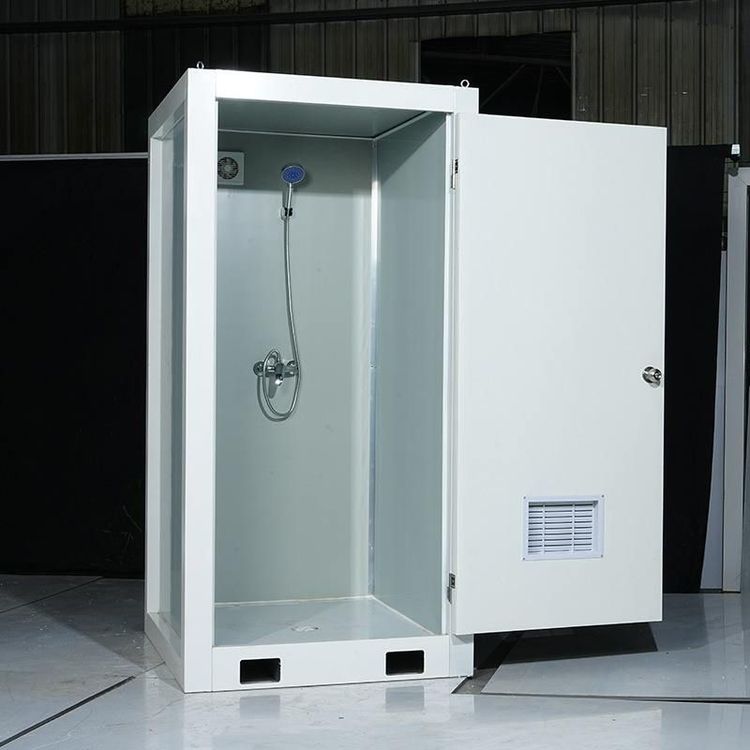
The inspection of Hunan mobile smart toilets should focus on structural integrity, material properties, functionality, environmental adaptability, and safety performance, with an emphasis on verifying the stability of dynamic allocation, energy conservation, environmental protection, and cloud-based management functions in conjunction with smart features.

I. Basic Inspection Items
Structural Stability Inspection
Evaluate the stability of the overall structure and supporting components, including load-bearing capacity tests (e.g., whether the floor can withstand simultaneous use by multiple people) and wind pressure resistance (especially for outdoor deployments, where simulated strong wind environments are used to verify structural integrity). For example, mobile toilets must pass wind pressure tests to ensure structural integrity under 8-level wind conditions.Material Property Inspection
Focus on inspecting material strength and environmental friendliness:
- Waterproof Sealing: Verify through rain tests that roof and wall joints are leak-proof to prevent rainwater intrusion that could damage circuits or equipment;
- Corrosion Resistance: Conduct salt spray tests on metal components (e.g., brackets, pipes) to ensure long-term use without rusting in humid environments;
- Harmful Substance Emission: Test for volatile organic compounds such as formaldehyde and VOCs to ensure compliance with indoor air quality standards.
- Functional Performance Inspection
- Water Conservation and Sealing Performance: Test whether the flushing system meets water usage standards (e.g., vacuum collection technology can save 80% of water) and verify the sealing of the toilet to prevent odor leakage;
- Ventilation and Exhaust Effectiveness: Use an anemometer to measure airflow at exhaust vents to ensure automatic activation of fresh air deodorization devices when ammonia and other odor concentrations exceed standards;
- Waste Disposal Capacity: For biodegradable toilets, measure degradation rates and sterilization effectiveness to prevent pathogen transmission.
II. Special Inspection of Smart Features
Dynamic Allocation System Verification
Simulate different passenger flow scenarios (e.g., holiday peaks, daily lows) to test whether the system can automatically adjust toilet placement or quantity based on big data analysis to ensure efficient resource utilization.Energy Conservation and Environmental Protection Design Testing
- Photovoltaic Power Supply System: Test the power generation efficiency of photovoltaic panels and the endurance of energy storage batteries to verify whether basic functions can be maintained during cloudy or rainy weather;
- Vacuum Collection Technology: Measure actual water savings using flow meters and compare with traditional toilets to verify water conservation effects.
- Cloud-Based Collaborative Management Reliability
Simulate equipment failures (e.g., sensor malfunctions, circuit short circuits) to test whether the system can automatically trigger maintenance work orders and push them to the management end, ensuring a fault response time of ≤2 hours.
III. Inspection Execution and Reporting
Inspections should be carried out by professional institutions (e.g., Zhongxi Testing) in accordance with national standards, with report cycles typically ranging from 7 to 15 working days. In Hunan, weather resistance tests should be added considering local climatic characteristics (e.g., high temperature and humidity) to ensure long-term stable operation of the toilets.