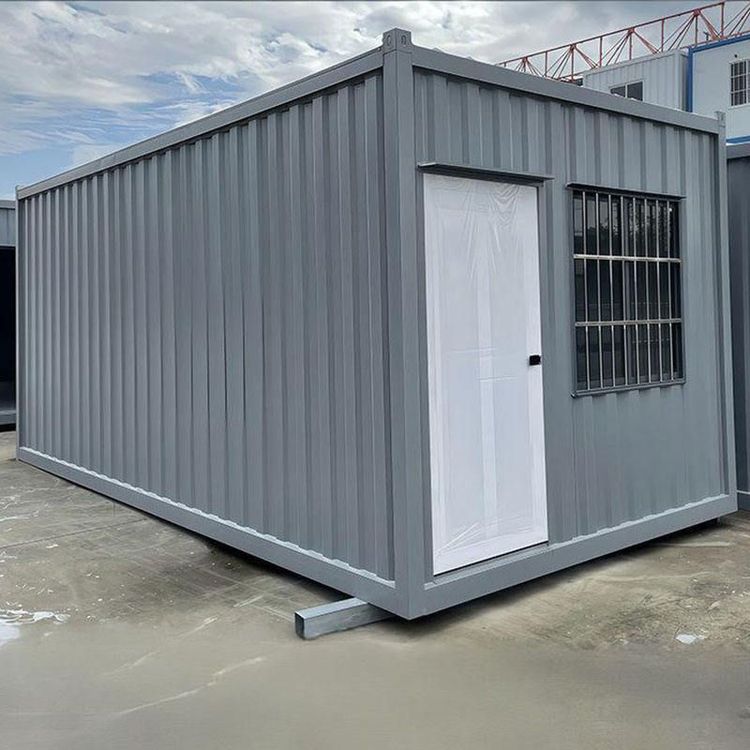
Hunan Microbial Mobile Toilet
The Hunan microbial mobile toilet mainly utilizes microbial technology to achieve harmless treatment of feces, featuring environmental protection and high efficiency.

I. Treatment Technology Principle
Some eco-friendly mobile toilets in Hunan use microorganisms from natural soil, which are cultivated in pure cultures to decompose feces and toilet paper. These microorganisms convert organic matter into harmless substances through metabolic activities, with the core process being the biodegradation of organic matter in feces by microorganisms. For example, solid feces enter a fermentation tank and mix with initial ingredients, sawdust, and biological strains. Under automatic temperature control, microorganisms decompose the solid matter into carbon dioxide and water with a high decomposition rate, preventing pollution at the source.
II. Technological Advantages
- Environmental Protection: The microbial decomposition process does not produce harmful substances, with the final products being carbon dioxide, water, and a small amount of harmless residue, avoiding the pollution of soil and water bodies by traditional toilets. For instance, the microbial scenic area restrooms of Dalian Fuhua Hengrun Industrial Co., Ltd. use solid-liquid separation technology to divert feces, with solid matter rendered harmless through microbial treatment and the liquid part purified for discharge or reuse.
- High Efficiency: Microorganisms reproduce rapidly and have strong metabolic activity, enabling the decomposition of feces in a relatively short time. The screw propeller in the fermentation tank continuously mixes the materials, ensuring full contact between microorganisms and feces and improving treatment efficiency.
- Resource Conservation: The treatment process does not require large amounts of water for flushing, making it suitable for water-scarce areas or temporary venues. Additionally, ingredients like sawdust can be recycled, reducing operating costs.
III. Application Scenarios
Hunan microbial mobile toilets are widely used in scenic spots, parks, construction sites, and other locations. Their ability to operate without connecting to sewers and their flexible installation make them particularly suitable for areas with complex terrain or inadequate infrastructure. For example, in nature reserves, microbial toilets can minimize interference with the ecological environment while meeting the needs of tourists.
IV. Maintenance Points
To ensure treatment effectiveness, biological strains and ingredients like sawdust must be added regularly to maintain microbial activity. Additionally, the temperature and humidity inside the fermentation tank should be controlled to prevent extreme conditions from affecting microbial metabolism.