
Hulunbeier Mobile Flush Toilet
The Hulunbeier mobile flush toilet is an environmentally friendly sanitation facility designed specifically for the high-latitude grassland climate, featuring freeze resistance, energy efficiency, and flexible adaptability.
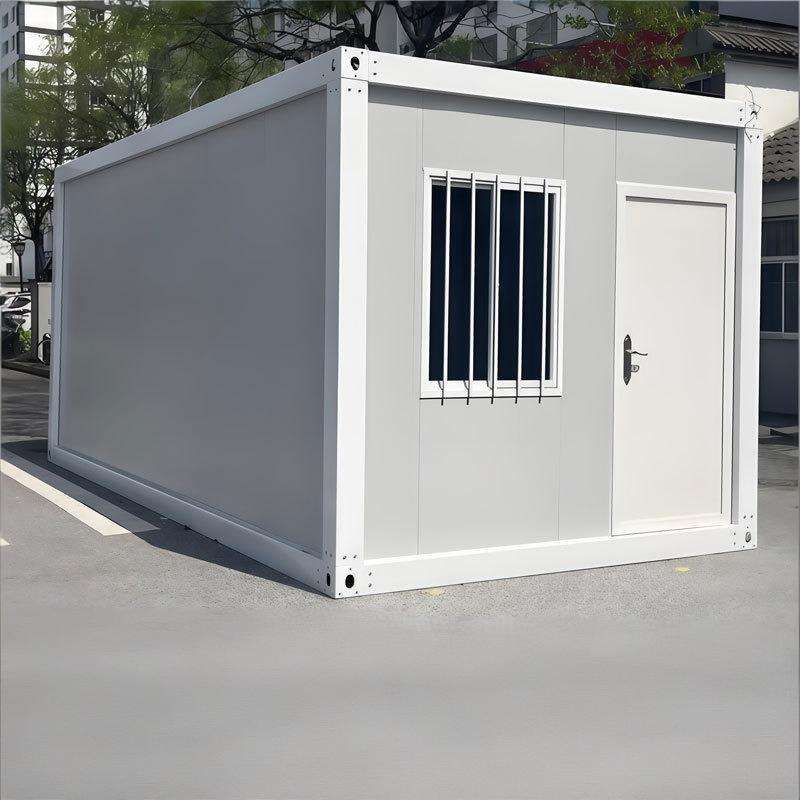
1. Freeze-Resistant Technology:
The toilet employs an aerospace-grade insulation system, with a core structure comprising polymer composite materials and a 7cm thick aerogel insulation layer. This effectively isolates extreme external cold, ensuring the interior temperature remains above freezing, suitable for environments as cold as -35℃. Self-heating cables are embedded inside, allowing continuous operation even at -40℃. Combined with patented foam sealing technology, it requires only 0.5 liters of water per flush, addressing both pipeline freezing issues and reducing water consumption. Additionally, the system integrates deodorization functions, suppressing odors through physical or chemical means to enhance user experience.
2. Energy Supply:
The equipment is equipped with a solar power system, capable of storing up to 8 kWh of electricity daily, meeting the flushing needs of over 50 users and suitable for the sunny conditions of grassland regions. During prolonged periods of cloudy or rainy weather, the system automatically switches to a small generator for power, ensuring stable operation and adaptability to changing weather conditions. This dual-mode power design balances environmental friendliness with reliability, reducing dependence on traditional energy sources.
3. Equipment Selection and Maintenance:
The circulating water flush toilet is equipped with a water circulation filtration system, utilizing physical filtration and biodegradation technologies to enable multiple uses of a single water reserve. However, filter elements need to be replaced regularly to maintain water quality. Equipment selection is flexible and adjusted according to usage scenarios; for example, basic functional units are used for short-term festivals, while long-term projects can add supplementary facilities such as shower modules.
4. Rental Services and Billing Models:
Rental services offer differentiated configurations tailored to various needs, with flexible time measurement methods. In addition to the standard daily billing model, large-scale events can opt for monthly billing, and long-term rentals typically include regular deep cleaning services, reducing user maintenance costs.
5. Waste Disposal:
Solid waste is sealed and transported to designated disposal sites to prevent secondary pollution; liquid waste is naturally decomposed through biodegradable bags. In some areas, mobile treatment vehicles are used for on-site separation and preliminary treatment, reducing transportation risks and complying with regional environmental regulations.



