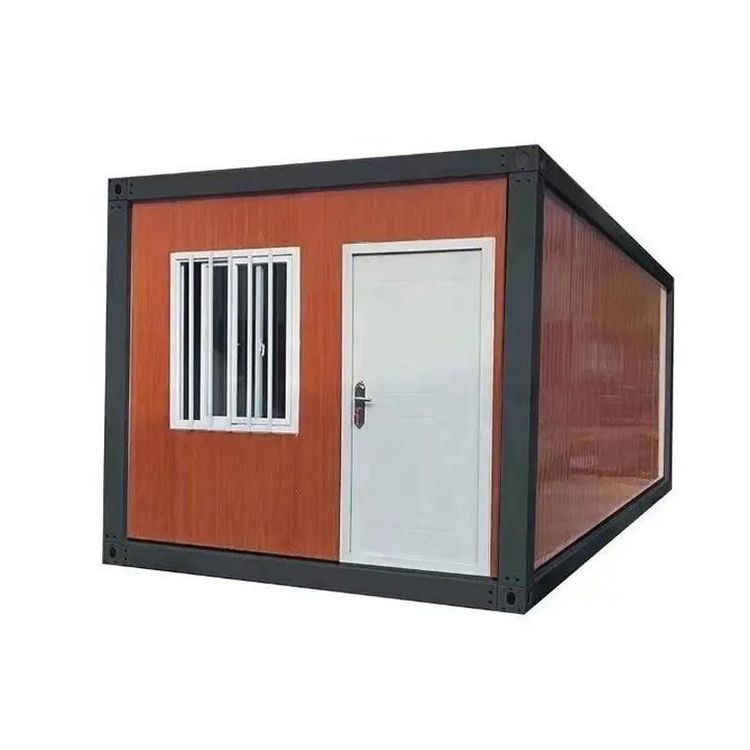
Hulunbeier Ecological Mobile Toilet
The Hulunbeier ecological mobile toilet is a sanitation facility solution that meets the needs of the peak tourist season while balancing ecological protection and cost-effectiveness. Its development, composition, functions, and ecological value are as follows:

1. Emergence Background and Rental Model
During the peak tourist season in Hulunbeier, the tourism industry faces a sudden surge in population. Traditional fixed toilets have long construction cycles and high maintenance costs, making it difficult to meet short-term demands. Ecological mobile toilets offer a flexible solution through a rental model: service providers are responsible for equipment transportation, installation, retrieval, and maintenance, relieving users of the burden of purchase costs. Service providers enhance resource efficiency through equipment recycling. Rental contracts often include anti-freezing modification clauses (such as adding insulation layers or electric tracing systems) to cope with extreme low temperatures in winter and prevent pipe freezing and cracking; in summer, it is necessary to ensure that sewage does not leak to protect the fragile grassland ecosystem.
2. Equipment Composition and Technical Features
Mobile toilets consist of an excreta collection device, a deodorization system, ventilation equipment, and an external structural framework. The main body is made of lightweight and durable synthetic materials (such as fiberglass-reinforced plastic) for easy frequent transportation and deployment. Some models integrate water storage systems, septic tanks, and vacuum suction technology to reduce water consumption; biodegradable models decompose solid matter through microorganisms, reducing the harmfulness of residues. New equipment attempts to utilize solar power or optimize ventilation systems to reduce energy consumption and enhance environmental friendliness.
3. Cleaning and Maintenance and Ecological Impact
The maintenance process includes regular disinfection, waste collection, and equipment inspection, with frequencies dynamically adjusted based on usage intensity. After chemical decomposition or biological degradation treatment, excreta must be disposed of through compliant channels to avoid secondary pollution. Its core ecological value lies in centralized management of human excreta, preventing direct entry into soil or water bodies, especially suitable for ecologically sensitive areas.
4. Technical Improvements and Future Directions
Current improvement efforts focus on more efficient waste treatment technologies (such as optimizing microbial degradation) and energy-saving equipment design (such as solar power). In the future, it may be upgraded to a sanitation management system output, using smart sensors to monitor toilet occupancy status, toilet paper levels, and odor concentration in real-time to optimize cleaning schedules. However, mobile versions need to address power supply stability and signal transmission issues.
5. Local Production and Service Support
Local enterprises in Hulunbeier (such as Guting Metal Products Factory) can provide mobile toilet products in various specifications and materials; companies like Jinhua Xin'an Steel Structure Engineering Co., Ltd. support customized quotes and services, further promoting the popularization and application of regional ecological mobile toilets.