Huizhou Mobile Toilet Rental Fecal Collection
The fecal collection treatment for mobile toilet rentals in Huizhou mainly adopts biodegradable chemicals, physical separation technology, microbial decomposition, and water-flush sewage discharge methods, with specific solutions varying according to equipment type and application scenarios.

Biodegradable Chemicals and Physical Separation Technology
Some mobile toilets use biodegradable chemicals placed within the waste storage unit to treat waste. These chemicals can decompose organic matter in feces, reduce odors, and inhibit bacterial growth. Simultaneously, physical separation techniques (such as filtration and sedimentation) are employed to separate solids from liquids, reducing the difficulty of subsequent treatment. This technology is suitable for scenarios without water supply and drainage systems, such as outdoor events or temporary construction sites, and is characterized by simple operation and strong environmental protection.Microbial Decomposition Technology
Environmentally friendly mobile toilets utilize microorganisms from natural soil, which are cultivated into efficient decomposition bacterial communities after pure culture. These microorganisms can rapidly decompose organic matter in feces and toilet paper, converting them into harmless substances (such as water and carbon dioxide), achieving on-site resource utilization of waste. This technology does not require an external water source or sewage discharge pipes, making it suitable for ecologically sensitive areas or long-term construction sites. However, it requires regular replenishment of bacterial strains to maintain decomposition efficiency.Water-Flush Sewage Discharge System
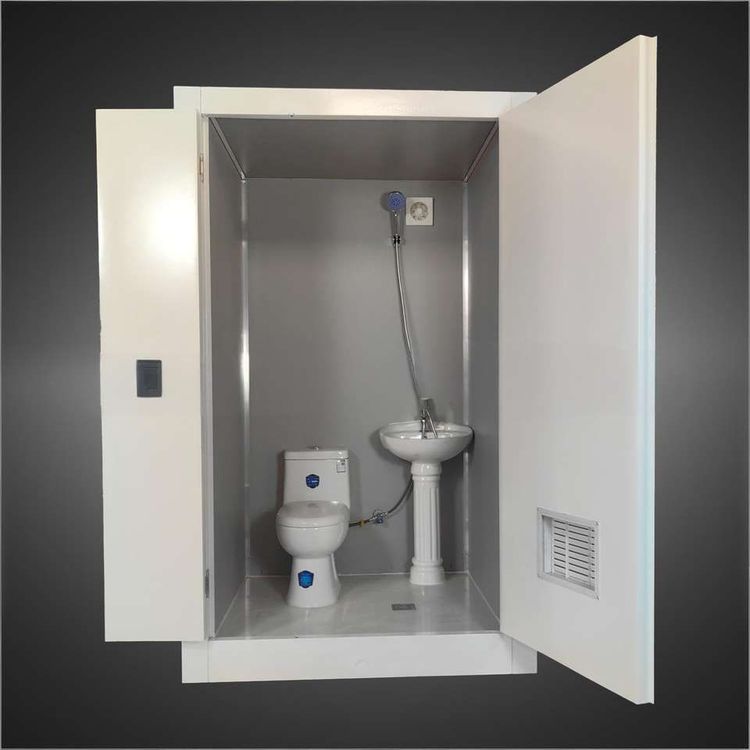
Water-flush mobile toilets are equipped with flushing devices that use a small amount of water to flush excreta into a waste storage tank or directly connect to municipal sewage pipes. The waste storage tank requires regular cleaning, while direct discharge depends on on-site sewage discharge conditions. These toilets offer a user experience close to that of traditional restrooms but consume water resources. They are suitable for scenarios with a water supply (such as concerts and exhibitions), and the sewage discharge method must be clearly indicated in the equipment labeling.Equipment Type and Scenario Adaptability
The fecal collection solutions for mobile toilets vary according to equipment type. For example, vehicle-mounted toilets typically use highly sealed waste storage tanks combined with chemical or microbial treatment for easy mobility and rapid deployment. Classic practical toilets may combine water-flush and physical separation technologies to balance cost and environmental protection needs. In terms of application scenarios, construction sites may prioritize durable microbial decomposition toilets, while short-term events like concerts may prefer water-flush toilets to enhance the user experience.
In summary, the fecal collection treatment technologies for mobile toilet rentals in Huizhou are diverse. When selecting a technology, it is necessary to comprehensively consider environmental protection requirements, water resource conditions, and usage scenarios to ensure efficient and compliant waste treatment.