
Huili Cement Prefabricated Finished Housing
Huili cement prefabricated finished housing generally refers to cement-structured houses that are pre-fabricated in factories using prefabricated concrete components or monolithic pouring techniques and then transported to the site for assembly. Although there is a lack of specific case information from the Huili area, an introduction can be made based on the general characteristics of such houses.
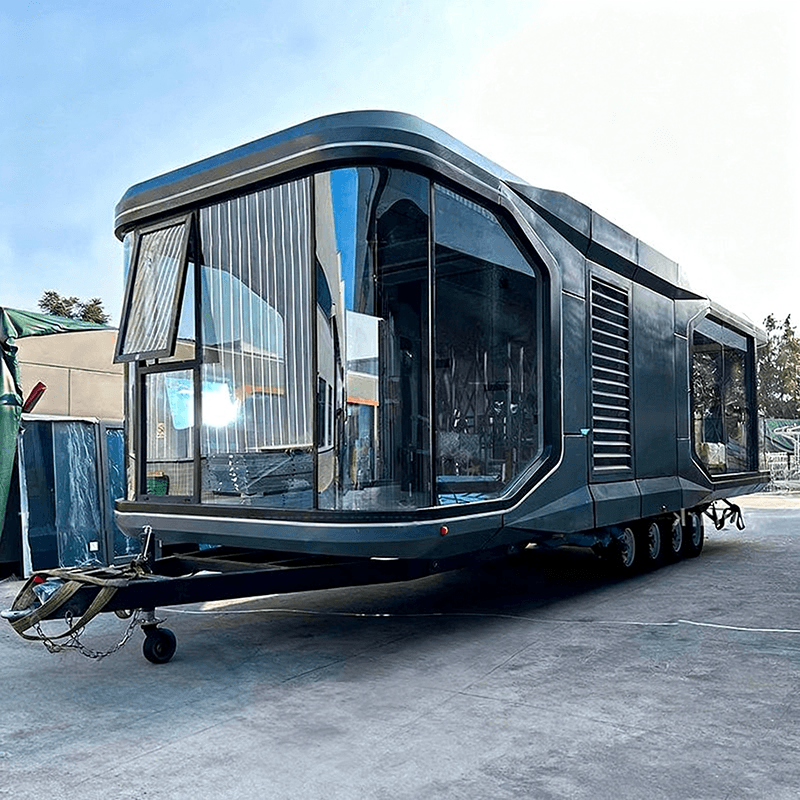
I. Structural and Performance Characteristics
The core structure of cement prefabricated finished housing is composed of prefabricated concrete components, with some using monolithic pouring techniques. Taking the products of Huacheng Cement Housing Factory as an example, they are formed through one-time monolithic pouring of high-standard reinforced concrete, resulting in a dense and sturdy overall structure. This structure endows the house with multiple performance advantages: outstanding earthquake and compression resistance, effectively withstanding natural disasters such as earthquakes; excellent fire and flame retardancy, reducing the risk of fire; and significant thermal insulation and energy efficiency, reducing energy consumption through material properties or internal insulation layer design. Additionally, the designed service life of the house typically exceeds 50 years, with some high-quality products even reaching over 70 years. Moreover, it supports overall relocation or secondary disassembly and reuse, extending the building's lifecycle.
II. Application Scenarios and Advantages
Due to their rapid construction and high modularity, such houses are widely used in various fields:
- Temporary needs: Such as construction site dormitories and post-disaster relief housing, which can be quickly erected to meet short-term accommodation needs;
- Functional buildings: Supporting facilities in tourist attractions, office buildings, and small hotels, achieving a unified function and aesthetics through customized design;
- Long-term use scenarios: Employee dormitories, canteens, and private garages, reducing long-term maintenance costs through durability.
Their advantages lie in shortening the construction period (simultaneous factory prefabrication and on-site assembly), reducing on-site pollution (better dust and noise control than traditional construction), and strong quality controllability (factory standardized production ensures component accuracy).
III. Market Price and Selection Recommendations
The price of cement prefabricated finished housing is significantly influenced by its configuration, with a market fluctuation range typically between 800 and 3000 yuan per square meter. Price differences mainly stem from material grades (such as steel bar specifications and concrete strength), functional configurations (such as insulation layer thickness and door and window types), and design complexity. When selecting, it is necessary to consider the usage scenario, budget, and long-term planning, prioritizing the examination of manufacturer qualifications and case experience to ensure that the house's performance meets the requirements.



