
Hui-style Container House
The Hui-style container house is a unique type of housing that combines traditional Hui-style architectural elements with modern container building technology, offering mobility, rapid assembly, safety, durability, aesthetic appeal, and cost-effectiveness.
1. Design and Style Integration
The Hui-style container house incorporates traditional Hui-style architectural features such as horse-head walls, small blue tiles, and carved windows into its design. This fusion preserves the elegant charm of Hui-style architecture while reflecting the simplicity and practicality of modern buildings. This design not only meets people's pursuit of traditional culture but also aligns with contemporary aesthetic and living needs.
2. Structural and Performance Advantages
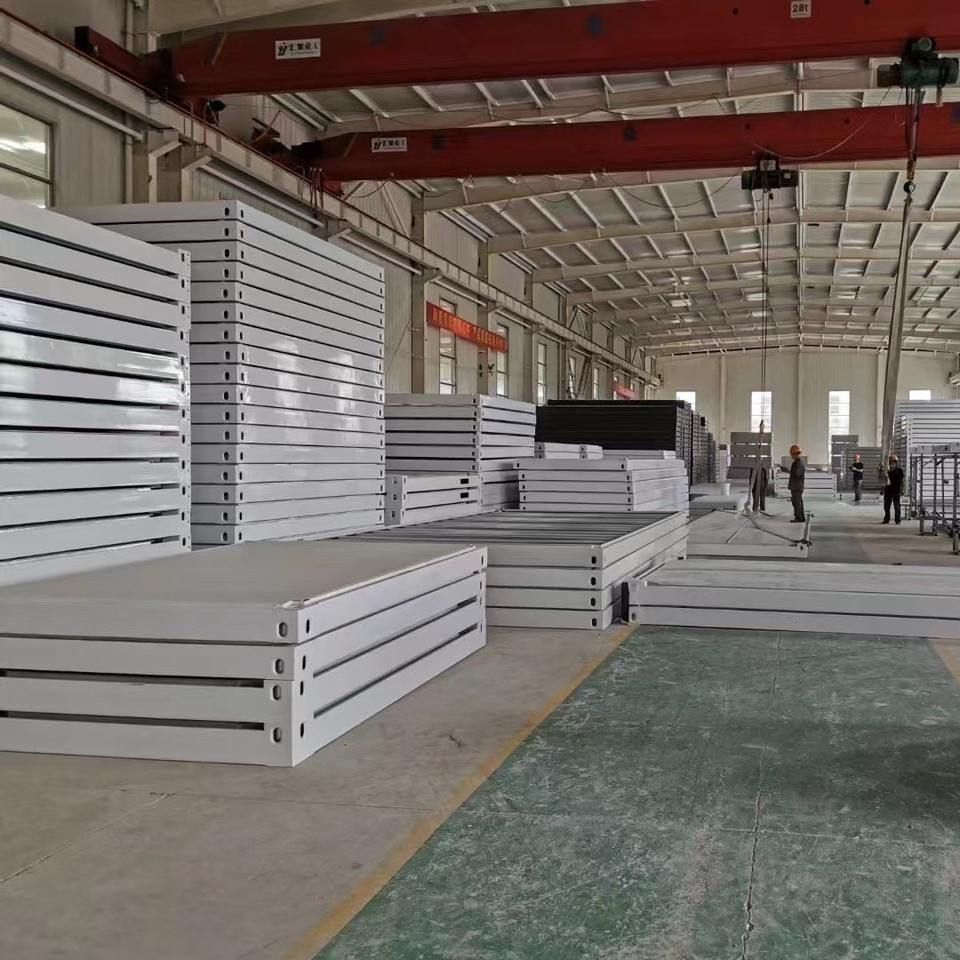
Container houses are constructed with steel frames, providing wind and earthquake resistance, as well as exceptional durability, with a lifespan exceeding 20 years. The modular design of containers enables rapid assembly, eliminating the need for traditional foundation construction and significantly shortening the construction period. Additionally, container houses offer excellent sound insulation and thermal insulation, thanks to their air-gap thermal design, enhancing living comfort.
3. Flexibility and Customization
Hui-style container houses are highly flexible and can be customized according to users' specific needs. Whether it's the size, functional layout, or exterior design, adjustments can be made based on user preferences and practical requirements. This customization allows container houses to adapt to various usage scenarios, such as residential homes, shops, and offices.
4. Cost-Effectiveness Analysis
Compared to traditional buildings, Hui-style container houses offer significant cost advantages. They have lower construction costs and, due to their rapid assembly and mobility, save substantial labor and time costs. Furthermore, the maintenance costs of container houses are relatively low, resulting in high cost-effectiveness over the long term.



