Hubei Outdoor Mobile Toilet Customization
Hubei outdoor mobile toilet customization can be achieved through multiple professional enterprises, each offering different technical solutions and product types, so it is necessary to select the appropriate solution according to specific needs. The following are specific customization directions and key technical points:

I. Basic Structure Customization Solutions
- Modular Mobile Toilets
Henan Hemai Industrial Co., Ltd. provides mobile eco-friendly toilets made of color-coated steel plates and metal carved panels, with specifications ranging from 1.3×1.3×2.3 meters to 1.5×1.8×2.3 meters, suitable for temperature ranges from -10℃ to 50℃, and a voltage of 220V. These products adopt standardized modular designs, allowing for rapid assembly in scenic spots, construction sites, and other scenarios, and support adjustments to the number of units based on the number of users. - Container-Type Mobile Toilets
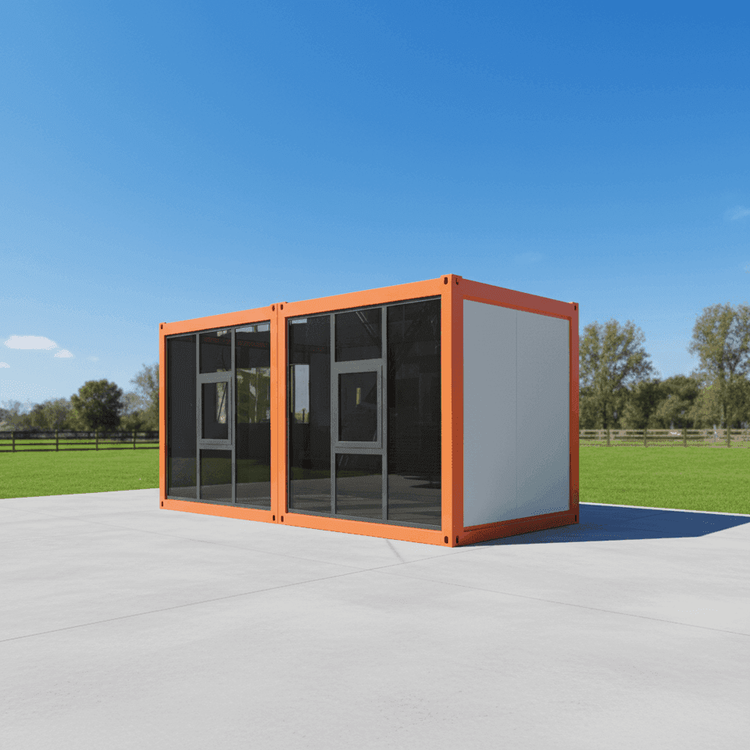
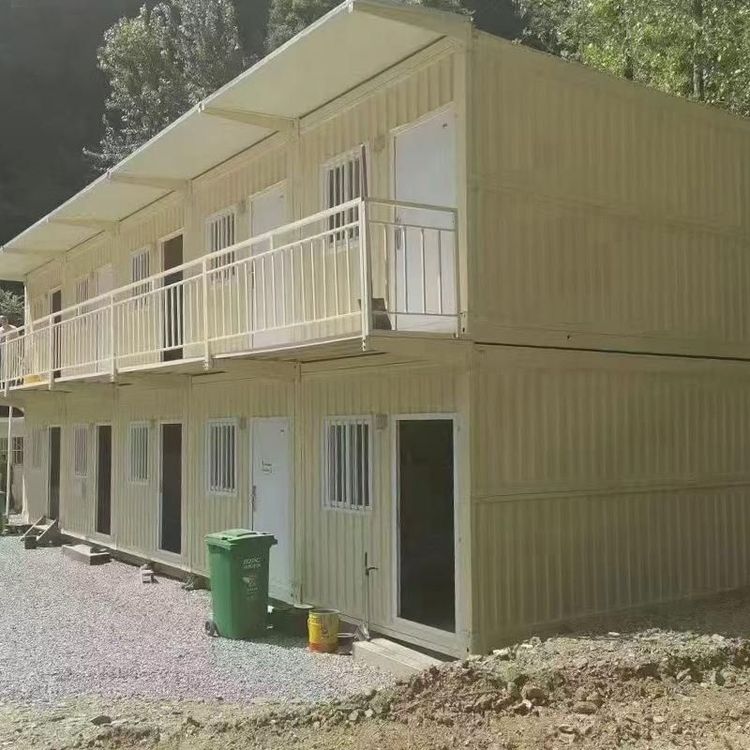
Blogus Design offers customized container toilets with a single unit size of 9×3×3.2 meters. The framework is welded from high-density galvanized steel, and the exterior walls and roof panels are made of thickened galvanized steel plates. The entire unit is installed in the factory and then transported to the site. This solution is suitable for long-term fixed use scenarios, such as temporary facilities for large events or public service points in remote areas, and features strong wind and earthquake resistance and a long service life.
II. Microbial Technology Customization Solutions
Local enterprises in Hubei provide customized services for microbial decomposition-type mobile toilets, with the following key technical parameters to consider:
- Microbial Strain Ratio
Calculate the strain dosage concentration based on the organic load of the target environment (such as daily fecal production and temperature and humidity fluctuations). For example, in high-temperature and high-humidity areas, the proportion of heat-resistant strains needs to be increased, while in low-temperature environments, strains with low-temperature activity should be selected. - Carrier Material Selection
Porous ceramics, activated carbon, or synthetic fiber fillers need to undergo laboratory testing to simulate the erosive effects of local water quality on the materials. For example, in coastal areas, synthetic fiber carriers with salt spray corrosion resistance should be prioritized. - Gas-Liquid Balance Control
Adopt a segmented aerobic system, set intermittent aeration programs according to usage frequency (such as aeration for 15 minutes every 2 hours), and adjust the carbon-to-nitrogen ratio to 25:1-30:1 by adding trace nutrients to effectively suppress odor generation.
III. Intelligent Customization Solutions
Wuhan Jintongchuang Technology Development Co., Ltd. combines Internet of Things technology with lightweight material processes to provide full-process personalized services:
- Intelligent Monitoring System
Real-time monitoring of toilet stall usage status, temperature and humidity, ammonia concentration, and other data through sensors, and uploading to a management platform to support remote fault diagnosis and consumable warnings. - Adaptive Control System
Automatically adjust the ventilation volume according to the ambient temperature, and activate electric heating defrosting function below -10℃ to ensure normal operation of the equipment in the low-temperature environment of Hubei in winter. - Lightweight Material Application
Using carbon fiber composite materials instead of traditional steel reduces the weight of a single toilet by 40% while meeting impact resistance requirements, facilitating transportation and installation in complex terrains such as mountainous areas.
IV. Maintenance and Update Points
Microbial mobile toilets require regular replenishment of microbial agents (every 3-6 months) and cleaning of residual materials; traditional mobile toilets require semi-annual checks on structural tightness and replacement of aging seals. When customizing, it is necessary to clarify the maintenance cycle and spare parts supply channels to ensure long-term use stability.