
Emergency Support for Mobile Toilets in Hubei
The emergency support for mobile toilets in Hubei is primarily reflected in the rational allocation and management in scenarios such as construction sites and large-scale events. Through scientific planning, standardized setup, and regular maintenance, it provides necessary sanitation facilities support for temporary and highly mobile public activities.
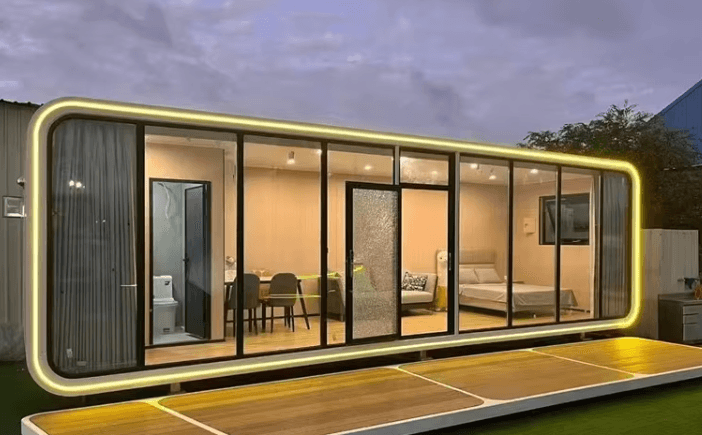
I. Emergency Support in Construction Site Scenarios
On construction sites, mobile toilets are a core component of temporary sanitation facilities, and their allocation and management directly impact the health of construction workers and the project's image. According to the 'Hubei Provincial Environmental and Sanitation Standards for Construction Sites', the allocation of mobile toilets should adhere to the following principles:
- Scientific Allocation of Quantity and Type: Generally, one standard stall is allocated for every 50 people, ensuring separate use by men and women. For example, if there are 200 people on a construction site, at least four standard stalls are required, with male and female toilets allocated proportionally.
- Targeted Allocation in Special Areas: In special construction areas such as deep excavations and high-altitude operations, additional barrier-free mobile toilets or products with ventilation devices should be allocated to meet the needs of special groups and improve the user experience.
- Regular Cleaning and Maintenance: For construction sites with a duration exceeding one month, the lessor should provide cleaning services 'at least twice a week', including disinfection, replenishing hand sanitizer and toilet paper, etc., to ensure sanitary conditions meet standards and reduce the risk of disease transmission.
II. Emergency Support in Large-Scale Event and Gathering Scenarios
At large-scale events such as concerts, sports events, and exhibitions, emergency support for mobile toilets should be planned in advance to cope with the pressure on public sanitation facilities from a large influx of people in a short time:
- Dynamic Planning of Quantity: Calculate the required number of mobile toilets in advance based on the event scale, number of participants, and event duration. For example, a ten-thousand-person event requires at least 50 standard stalls, with a reserve of 10%-20% to cope with emergencies.
- Rational Layout: Mobile toilets should be dispersed at key nodes in the event area, such as near entrances, rest areas, and dining areas, to avoid congestion caused by people queuing.
- Real-time Maintenance and Replenishment: During the event, dedicated personnel should be arranged to patrol, promptly clean up garbage, replenish consumables, and set up clear signs to guide participants to available facilities quickly.
III. Management Regulations and Standard Bases
The emergency support system for mobile toilets in Hubei is supported by local standards. For example, the 'Hubei Provincial Environmental and Sanitation Standards for Construction Sites' specifies the allocation ratio for construction sites, while large-scale events refer to the 'Urban Public Toilet Design Standards' and the temporary facility management regulations of the event organizers to ensure scientific allocation and orderly management.



