Back to blog
Article
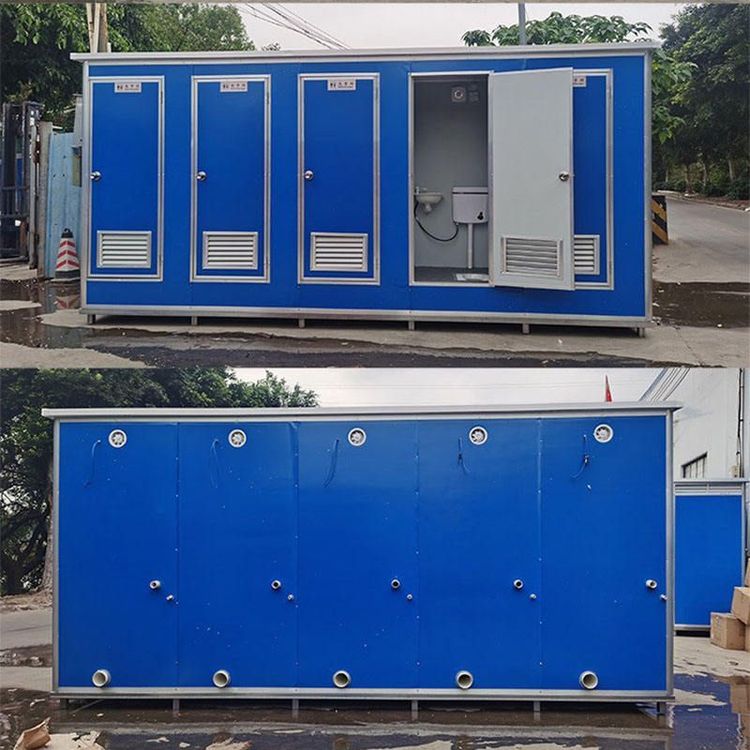
Hubei Craft Mobile Toilet
Admin September 21, 2026
When selecting craft mobile toilets in Hubei, it is necessary to comprehensively consider multiple dimensions such as technology, qualifications, case studies, services, and craft details. Different types of toilets (such as packaged and microbial types) require targeted evaluation of core parameters.

1. Select Toilet Types Based on Needs
- Packaged Mobile Toilets: Suitable for scenarios without water supply and drainage conditions, strict environmental protection requirements, or the need for rapid deployment (such as scenic spots, construction sites, and temporary events). Their core advantage is "zero water flushing and zero sewage discharge," instantly sealing waste with biodegradable packaging bags to avoid secondary pollution. When purchasing, it is essential to focus on examining the maturity of the manufacturer's technical path (such as the sealing performance and replacement convenience of packaging bags), the degree of automation of production equipment (affecting production capacity and quality control), and the on-site verification effects of past cases (such as service life and failure rate). Priority should be given to selecting source factories with independent research and development capabilities to ensure technological iteration and after-sales support.
- Microbial Mobile Toilets: Suitable for scenarios with high odor control requirements and the need for long-term stable operation (such as parks and service areas). Their principle is to decompose organic waste through specific microbial communities. It is necessary to customize the microbial community structure according to the target environment (such as low temperatures in winter in northwestern Hubei and high humidity in summer in southeastern Hubei) and select appropriate carrier materials (such as porous ceramics to enhance air permeability and activated carbon to absorb odors). At the same time, it is necessary to configure a gas-liquid balance control system (such as a segmented aerobic system) to suppress the odor generated by anaerobic fermentation by regulating oxygen supply.
2. Pay Attention to Production Process and Safety Details
- Main Structure: The steel frame should be made of thickened galvanized square steel (thickness ≥ 3mm) and undergo multiple layers of anti-corrosion treatment (such as epoxy zinc-rich primer + polyurethane topcoat) to adapt to the humid climate in Hubei. The chassis should have a perfect waterproof and anti-corrosion design (such as an overall poured concrete base + waterproof membrane covering) to prevent deformation and leakage after long-term use.
- Walls and Floors: Wall panels should be made of dense and moisture-proof materials (such as metal carved panels or rock wool sandwich panels) to avoid mold growth during the rainy season. The floor should preferably use anti-slip ceramics (friction coefficient ≥ 0.6) with stainless steel floor drains to ensure smooth drainage and anti-slip safety.
- Internal Facilities: Showers and sanitary ware should be selected with a waterproof rating of ≥ IPX4. Wires should be protected by metal pipes and equipped with qualified leakage protection devices (operating current ≤ 30mA) to avoid short circuits or electric shock risks caused by moisture.
3. Bulk Purchase and Regional Adaptation Suggestions
- If bulk purchases are required, reference can be made to the waterless flushing toilets of Henan Hemai Industrial Co., Ltd., which are processed using color steel plates/metal carved panels. The specifications include 1.3×1.3×2.3m, 1.5×1.8×2.3m, etc., with an applicable temperature range of -10~50℃ and support for customized production (such as adding disabled-accessible rooms and adjusting door widths).
- Northwestern Hubei (Xiangyang, Suizhou, Shiyan): It is recommended to prioritize selecting local physical factories, which can reduce logistics costs (saving approximately 15%~20%) and improve after-sales response speed (such as on-site maintenance within 24 hours), while also facilitating on-site inspections of production workshops and case sites.
Related