
Huaying Fiberglass Reinforced Plastic Mobile Toilet
The Huaying Fiberglass Reinforced Plastic (FRP) mobile toilet is an integrated public restroom facility made from epoxy resin and fiberglass, primarily used in emergency scenarios such as temporary large gatherings, construction sites, and natural disasters.
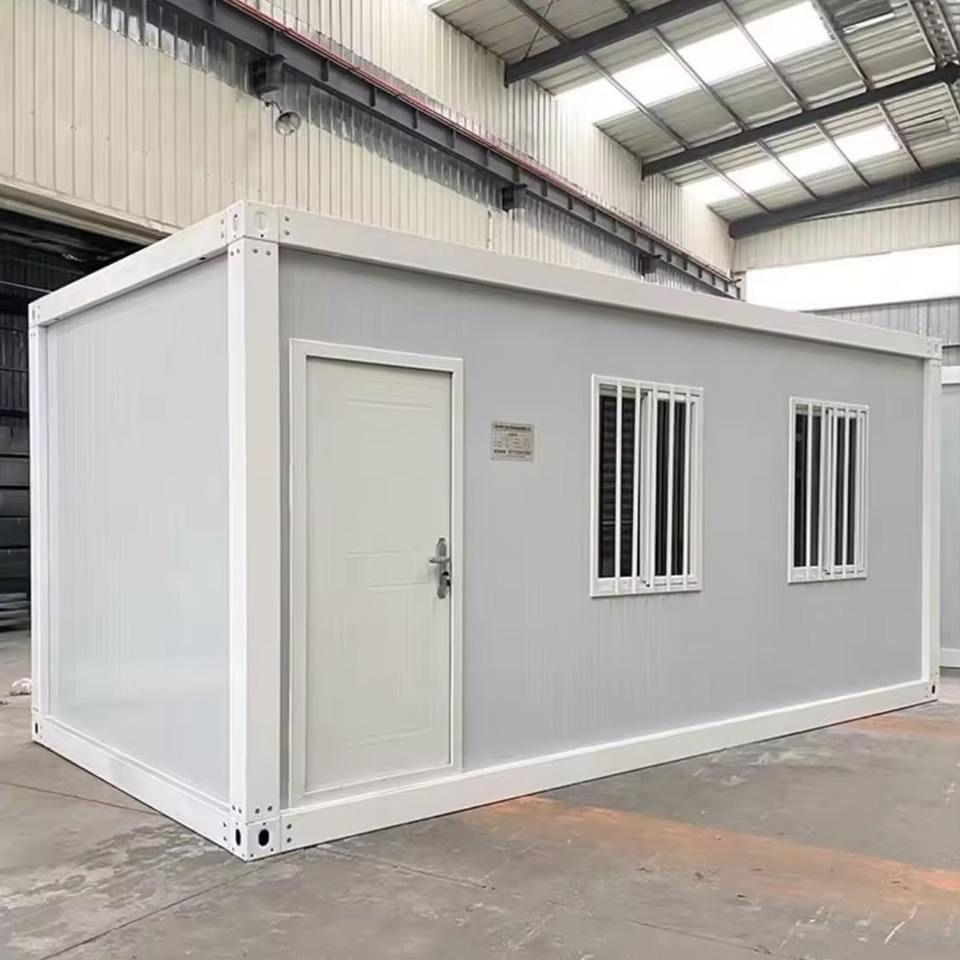
Material Characteristics
The main body of the toilet is constructed from epoxy resin and fiberglass, featuring a smooth surface and a robust structure with corrosion resistance. The base is molded using colored reinforced FRP, further enhancing its anti-corrosion capabilities. The wall panels are designed with smooth surfaces on both sides for easy cleaning and maintenance. The internal facilities are optimized to reduce odor emissions, such as through the use of better-sealed sewage pipes and ventilation channels.
Lighting and Cleaning Advantages
The product offers ample space, with a roof made of translucent material that has undergone waterproofing treatment, allowing for the full utilization of natural light during the day and reducing the need for artificial lighting. The material is resistant to ultraviolet rays, making it easy to clean when stains adhere and maintaining a clean appearance even after long-term use.
Mobility and Installation Convenience
The structure is sturdy and equipped with a water tank, enabling relocation without the need for complex equipment, typically requiring only 3-4 people to complete the moving process. The mold-forming technology achieves a seamless design for the overall shell, eliminating卫生死角 (sanitary dead corners, here translated as 'hard-to-clean areas' for better context in English: 'eliminating hard-to-clean areas') and pre-placing functional structures such as sewage pipes and ventilation channels within the mold, ensuring an integrated structure and functional flow, significantly improving installation efficiency.
Innovative Manufacturing Process
The mold-forming technology is employed, where liquid resin and fiberglass fabric are layered and infiltrated within a specific mold, then cured to form an integrated shell in one go. This process not only achieves a seamless structure but also optimizes the internal space layout by pre-embedding functional modules (such as sewage pipes and ventilation channels), enhancing usability.
Environmental Interaction Technologies
- Waste Treatment: Microbial degradation technology is introduced, utilizing specific bacterial strains to decompose organic matter into water, carbon dioxide, and a small amount of residue, reducing waste volume and transportation frequency. Vacuum collection technology transports waste through negative pressure airflow, reducing water consumption.
- Energy and Resource Management: Photovoltaic panels integrated on the roof convert solar energy into electricity, supplying lighting, ventilation systems, and treatment equipment. Rainwater collection devices filter and store precipitation through surface diversion designs for toilet flushing or cleaning purposes.
- Smart Control System: Ammonia and hydrogen sulfide sensors monitor air quality in real-time and trigger strong ventilation when necessary. Human infrared sensors control lighting to turn off when no one is present. Usage counters provide data support for maintenance frequency.



