
Huangnan Mobile Toilet Design
The design of mobile toilets in Huangnan integrates technology, environmental protection, and convenience, achieving efficient application through prefabricated construction, eco-friendly technologies, convenient design, and intelligent management.
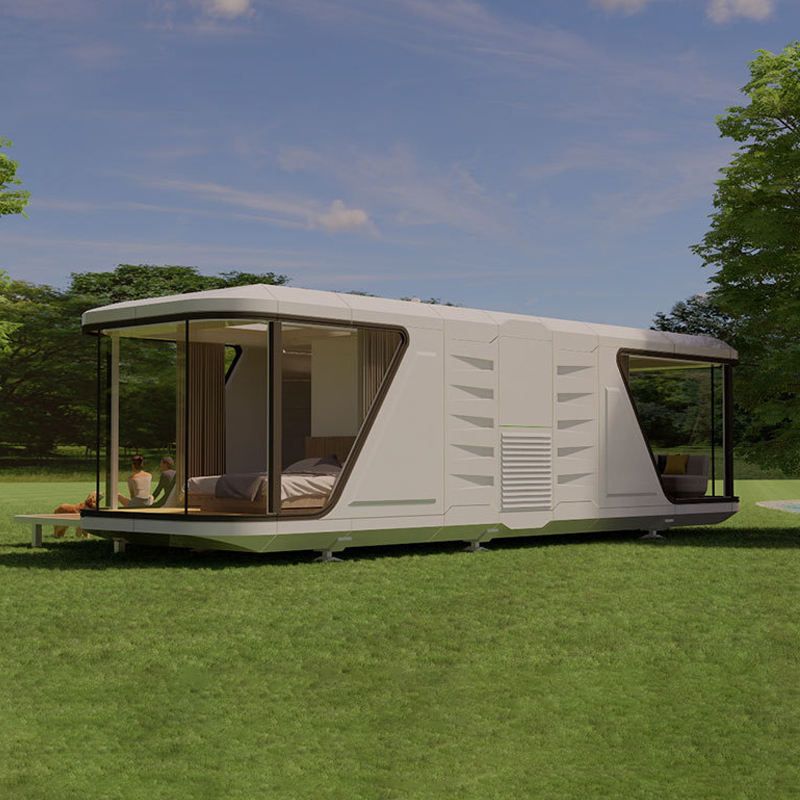
Characteristics of Prefabricated Construction
Mobile toilets in Huangnan adopt a factory-prefabricated and on-site assembly model. The main components (such as walls, roofs, and chassis) are standardized and processed in workshops. The base materials are selected from galvanized steel plates or composite color-coated steel plates, with connection points designed as snap-fit or bolt interfaces for easy and quick assembly. This model shortens outdoor operation time, reduces construction noise and building waste, and is particularly suitable for scenarios with limited construction conditions in plateau regions.
Application of Eco-Friendly Technologies
- Material Selection: Color-coated steel plates are recyclable, and their surface coating processes enhance corrosion resistance, extending service life. The sandwich layer is filled with rock wool or polyurethane insulation materials, optimizing production energy consumption and adapting to the variable climate of the plateau.
- Water Circulation System: Integrated with biodegradation or physical filtration devices, the system enables preliminary on-site treatment of sewage, reducing reliance on fixed sewage networks and lowering energy consumption for long-distance water transportation, aligning with eco-friendly principles.
Convenient Design
- Adjustable Layout and Functionality: Internal facilities (such as sinks, squat toilets, lighting, and ventilation openings) can be flexibly arranged and combined based on foot traffic and spatial conditions. Ventilation design combines natural convection with mechanical exhaust to reduce odors. Details like door locks and handrails adopt rust-resistant materials and universal designs for easy maintenance and replacement.
- Intelligent Design: Taking the smart public toilet in Jianzha County as an example, it is equipped with an intelligent deodorization and sterilization system. Laser infrared sensors trigger reverse negative pressure technology to lock in odors, which are then decomposed by photohydrogen ions and plasma processes, achieving a deodorization rate of over 98% and a sterilization rate exceeding 96%, with daily energy consumption only 30% of traditional equipment. Some public toilets incorporate semi-translucent glass blending into Chinese garden landscapes and provide rest areas for sanitation workers. Entry electronic screens display real-time air quality, temperature, humidity, and toilet availability, enhancing user experience.
Other Design Details
Some mobile toilets feature a layout with four squat positions and a management room, with steps set one meter outside. The interior is equipped with ceramic squat toilets, flush tanks, exhaust fans, ceiling lights, and urinals, providing comprehensive functionality. Specialized cleaning management protocols are established, implementing a “dedicated toilet per attendant, cleaning after each use” system, and utilizing the Internet of Things for remote lighting control and fault warnings to ensure long-term stable operation.



