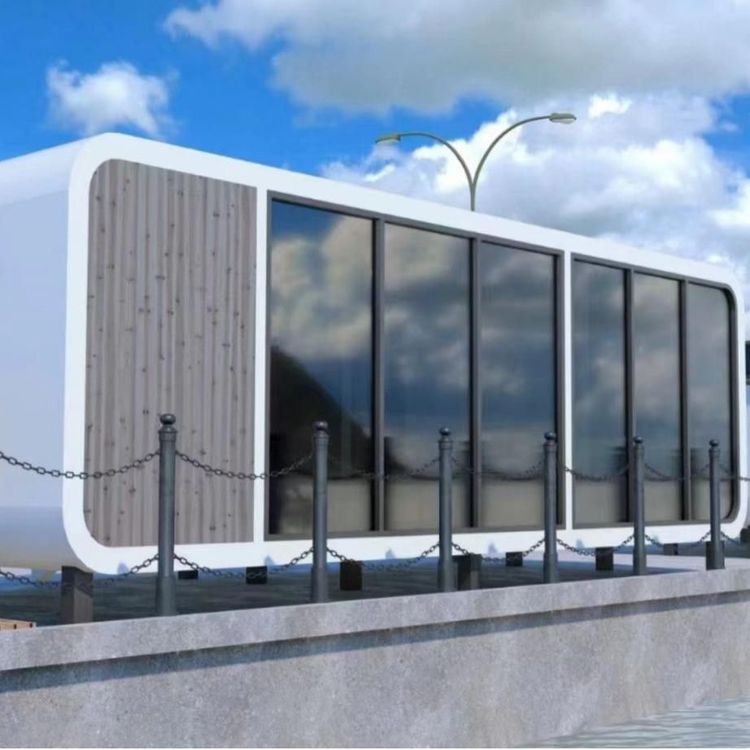
Huanggang Mobile Toilet Customization
Huanggang mobile toilet customization can be tailored according to different scenarios, functions, materials, and special requirements. The specific customization directions are as follows:

1. Scenario-based Customization Selecting the appropriate type based on the usage scenario is a core principle. For construction sites, economical mobile toilets are usually chosen. These are designed primarily for practicality, with a compact size for easy mobility, relatively low prices, and equipped with basic flushing systems and squatting positions to meet the high-frequency usage needs of workers. For scenic spots or exhibition venues, luxury mobile toilets are preferred. In addition to basic functions, they may include additional features such as sinks, aroma systems, and hand dryers. The exterior design emphasizes aesthetics, blending well with the surrounding environment to enhance the user experience. For large-scale events, mobile toilets with advertising spaces can be customized. These meet usage needs while displaying promotional content through the exterior or interior space, combining functionality with commercial value. For environmental protection projects, toilets made from recyclable materials, such as recycled plastics or biodegradable materials, are prioritized to reduce environmental impact and align with green themes.
2. Function-based Customization Function expansion is key to improving the applicability of mobile toilets. Ventilation systems can prevent odor buildup and maintain fresh interior air by installing exhaust fans or fresh air devices. Insulation layers or heating devices can address low-temperature environments, especially in northern winters, improving comfort through electric heating or solar heating. Accessibility features are crucial for special populations, including dedicated ramps for the disabled, handrails, and low-positioned sinks, complying with accessibility design standards. Smart systems can integrate functions such as sensor-based flushing, automatic lighting, and foot traffic statistics to enhance management efficiency. Some scenarios also require customization for explosion-proof, corrosion-resistant, or moisture-proof functions, such as chemical corrosion resistance for chemical parks and waterproof and salt-spray resistance for coastal areas.
3. Material and Appearance Customization Material selection directly affects durability and aesthetics. Common exterior materials include stainless steel, rot-resistant wood, and fiberglass. Stainless steel is corrosion-resistant and easy to clean, suitable for high-humidity environments. Rot-resistant wood offers a natural and beautiful appearance, coordinating well with scenic landscapes. Fiberglass is lightweight and cost-effective, suitable for temporary events. The exterior color and patterns can be customized, such as corporate logos or event theme colors, to enhance brand exposure. Some manufacturers offer 3D modeling services, simulating toilet placement effects based on customer-provided site photos or design drawings to optimize space layout.
4. Manufacturer Service Customization Different manufacturers offer differentiated services. Some manufacturers support size customization, adjusting the toilet's length, width, and height according to site constraints. Functional modules can be flexibly combined, such as adding母婴室 (maternity rooms) or third restrooms. For scenic spots, waterproof and moisture-proof models can be customized to extend service life. For construction sites, durability is emphasized, with thickened steel plates or impact-resistant designs used. Additionally, manufacturers typically provide one-stop services for transportation, installation, and maintenance to ensure that customized toilets are quickly put into use and operate stably over the long term.