
Lifespan of Mobile Toilets in Huaihua
The lifespan of mobile toilets in Huaihua does not have a fixed value, typically ranging from 3 years to over 20 years, depending on factors such as material and craftsmanship, usage scenarios, and maintenance.
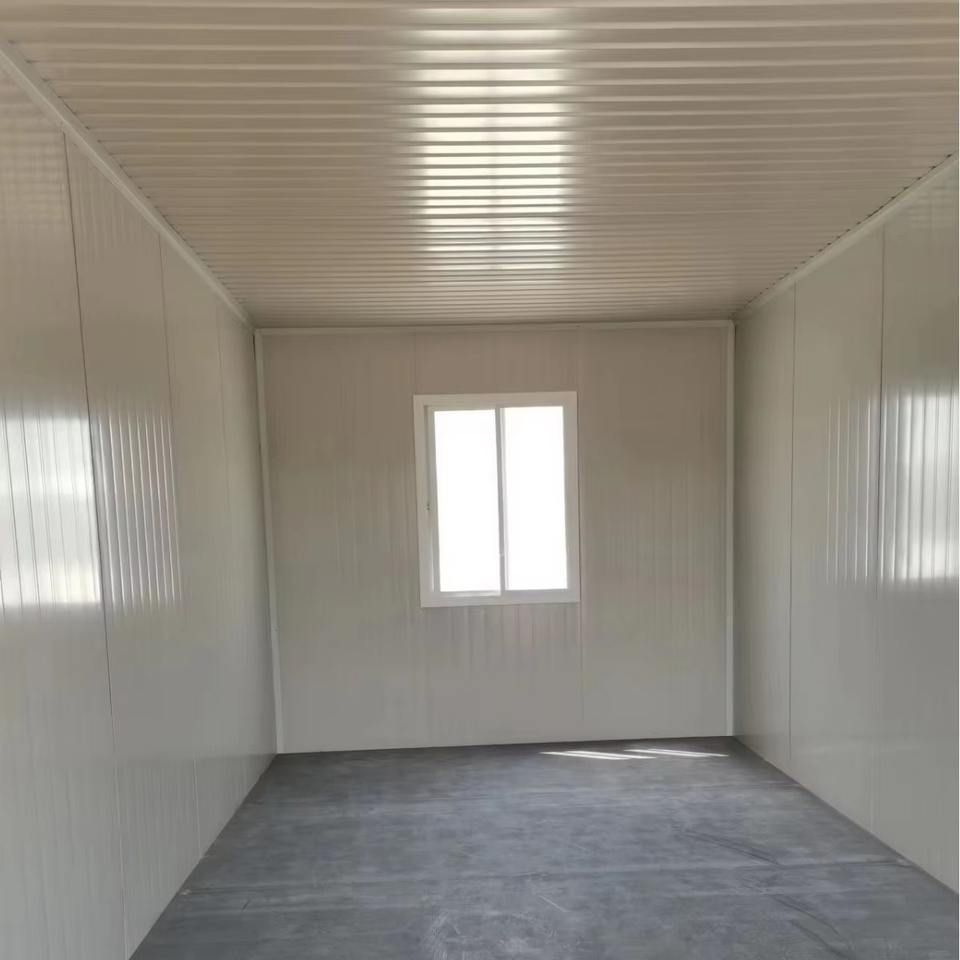
Material and craftsmanship are the foundation for determining lifespan: Low-end mobile toilets made of simple fiberglass may develop issues such as cracking and leakage after about 3 years of exposure to outdoor sunlight due to the weak anti-aging ability of the material. In contrast, mainstream high-end products with national standard hot-dip galvanized steel frames and high-quality anti-corrosion wall panels have high-strength, corrosion-resistant steel frames. The high-quality anti-corrosion wall panels can effectively resist external environmental erosion. With proper maintenance, their service life can reach 10 to 15 years, or even exceed 20 years.
Usage scenarios and environmental intensity have a significant impact: Long-term exposure to high-temperature sun exposure, high humidity, coastal saline-alkali land, or extreme low-temperature environments can accelerate material aging, paint fading, and metal rusting. For example, in coastal areas, salt can corrode metal components, shortening their service life. In high-intensity usage scenarios such as tourist attractions and transportation hubs with a huge flow of people, mechanical components such as door locks, flush buttons, and toilet seats are used frequently, and their wear rate is much higher than that in low-frequency usage scenarios, which also affects the overall lifespan.
Daily maintenance and upkeep awareness are crucial: Proper daily maintenance, such as regular cleaning, component inspection, and timely repair and replacement of damaged parts, can effectively extend the service life of mobile toilets by 3 to 5 years, allowing them to reach 15 years or even longer under normal use. Conversely, if they are only used without proper maintenance and no necessary upkeep is carried out, component damage will be accelerated, significantly reducing the lifespan and leading to premature scrapping.
There are differences in the lifespans of different types of mobile toilets: Simple models are suitable for construction sites or emergency situations. They have a simple structure and ordinary materials, with a lifespan of about 1 year. Affordable models with steel structures and metal carved panels have certain durability and a lifespan of about 3 to 5 years, suitable for use in towns. Local characteristic models with customized designs are mostly used in tourist attractions or city squares. They have relatively good materials and craftsmanship, with a lifespan of up to 7 to 10 years. High-end technological models adopt intelligent systems and high-density polyethylene materials, with strong anti-aging and corrosion-resistant capabilities, and a lifespan of over 10 years, with some even exceeding 20 years.



