
Huaihua Mobile Toilet Franchise
No direct public information related to 'Huaihua Mobile Toilet Franchise' has been found, but key steps and considerations for franchising a mobile toilet project can be provided from a general industry perspective.
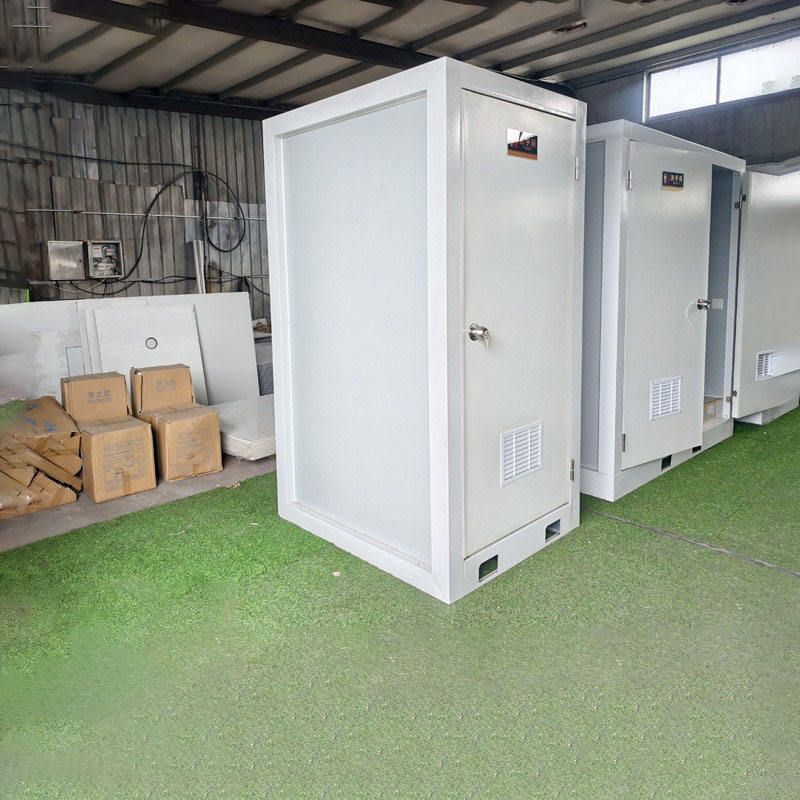
I. Clarify Franchise Model and Brand Selection Mobile toilet franchising typically falls into two models: one is directly franchising a mature brand, leveraging its brand influence, technical standards, and operational support to quickly enter the market; the other is independently purchasing equipment and operating under one's own brand, requiring self-responsibility for market promotion and after-sales service. If choosing to franchise a brand, it is essential to thoroughly evaluate the brand's industry reputation (e.g., whether it has passed ISO certification), equipment quality (e.g., environmental performance, durability), after-sales service system (e.g., maintenance response time), and franchise policies (e.g., regional protection, rebate mechanisms). For instance, some brands may require franchisees to possess municipal engineering qualifications or experience in selling environmental protection equipment, necessitating prior confirmation of one's own eligibility.
II. Market Research and Demand Analysis As a prefecture-level city in Hunan Province, Huaihua's demand for mobile toilets primarily centers on scenic spots, construction sites, and large-scale event venues. It is necessary to investigate local policy orientations (e.g., whether the 'Toilet Revolution' is being promoted), competitor distributions (e.g., whether local environmental protection enterprises have already established a presence), and target customer pain points (e.g., high maintenance costs and poor sanitary conditions of traditional toilets). For example, if the local government encourages the application of environmental protection equipment, the promotion of new types of mobile toilets such as biodegradable and solar-powered models can be emphasized; if there is a high demand from construction sites, the durability and rapid deployment capabilities of the equipment can be highlighted.
III. Cost and Revenue Calculation Initial investments include franchise fees, equipment procurement costs, transportation and installation fees, and site rental fees (if a display point needs to be established). Taking medium-sized mobile toilets as an example, the price of a single unit is approximately RMB 20,000 to 50,000, and franchise fees may range from RMB 10,000 to 100,000 depending on the brand. Operational costs cover equipment maintenance, consumable replacements (e.g., biological bacteria, disinfectants), and personnel salaries. Revenue sources include equipment rentals (daily rentals of approximately RMB 200 to 500), sales margins, and long-term maintenance contracts. It is necessary to estimate the payback period based on the local market capacity (e.g., the annual number of new construction sites in Huaihua), which typically ranges from 1 to 3 years.
IV. Compliance and Risk Control It is essential to confirm that the equipment complies with national standards such as the 'Urban Public Toilet Design Standard' (CJJ14-2016) to avoid penalties for non-compliance with environmental protection regulations. When signing contracts, it is crucial to clarify the responsibilities of the brand owner (e.g., equipment warranty period, frequency of technical training) and one's own obligations (e.g., minimum purchase quantities, market promotion investments). It is recommended to reserve 10%-15% of the budget as emergency funds to cope with risks such as equipment breakdowns or customer payment delays.



