
Huaihua Foam-Flush Portable Toilet
Currently, there is no specific public information available about the 'Huaihua Foam-Flush Portable Toilet'. The following provides a popular science explanation from the perspectives of the principle, characteristics, and industry applications of foam-flush portable toilets.
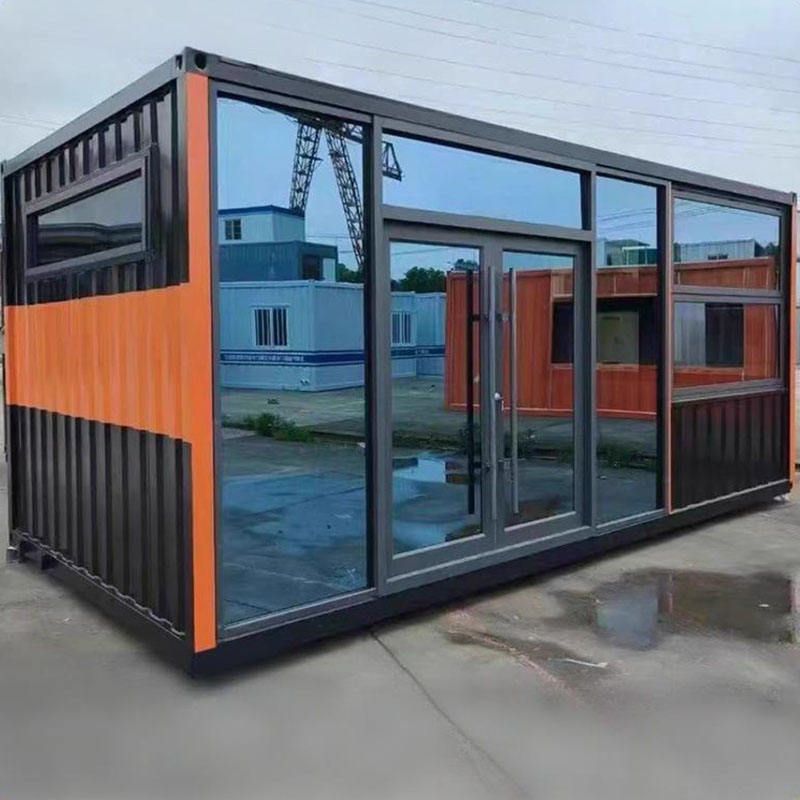
A foam-flush portable toilet is an environmentally friendly portable toilet designed based on the principle of foam lubrication and sealing. Its core mechanism involves mixing a foaming agent with water through a foaming device to generate a large amount of fine foam that covers the inner walls of the toilet bowl. The foam layer serves three purposes: first, it reduces friction between excreta and the toilet bowl through lubrication, thereby decreasing the need for flushing water; second, it forms a sealing layer to prevent the spread of odors; third, it reduces the contact area between excreta and air through foam coverage, inhibiting bacterial growth. This design significantly reduces water consumption, requiring only about 0.2-0.5 liters of water per use (compared to 6-10 liters for traditional water-flush toilets), and the foam can be recycled, meeting water-saving and environmental protection requirements.
In terms of technical characteristics, foam-flush portable toilets typically adopt a modular structure, facilitating quick installation and disassembly, and are suitable for temporary or mobile use scenarios. Their foaming systems consist of a foaming liquid storage tank, a foaming pump, a mixing device, and a control module, which can initiate the foaming process through intelligent sensing or manual triggering. Some high-end models are equipped with odor treatment systems that further purify the air through activated carbon filtration or photocatalytic technology. Additionally, the excreta collection tanks of this type of toilet often adopt a sealed design and can achieve harmless treatment with the help of biodegradable agents, reducing the frequency of collection and transportation.
Industry application scenarios mainly include large-scale outdoor events (such as music festivals, sports events), construction sites, tourist attractions, and disaster emergency rescue. For example, in water-scarce areas or temporary settlement points, foam-flush portable toilets can solve the water dependency problem of traditional toilets; in ecologically sensitive areas, their low-pollution characteristics can reduce environmental damage. Currently, several cities in China have piloted the application of this technology in municipal renovations, but for specific implementation cases in the 'Huaihua' area, targeted information needs to be obtained through local sanitation departments or equipment suppliers.
For further information on whether such facilities have been deployed in the Huaihua area, it is recommended to check the public toilet construction plan on the official website of the Huaihua City Administration and Comprehensive Law Enforcement Bureau or contact local environmental protection technology companies for product supply information.



