
Mobile Toilets for Rural Renovation in Huaibei
The application of mobile toilets in the rural renovation of Huaibei is characterized by flexibility and practicality, serving as temporary or supplementary sanitation facilities to meet renovation needs, while also featuring environmental protection and customization.
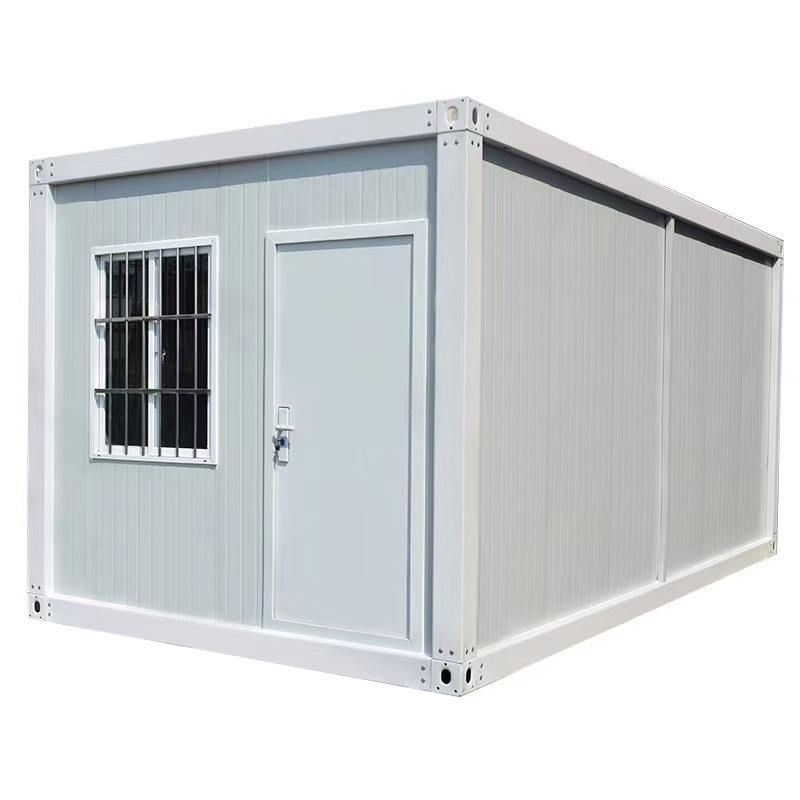
Specific Application Scenarios of Mobile Toilets in Rural Renovation
In the rural renovation of Huaibei, mobile toilets are commonly used in two types of scenarios: Firstly, as temporary sanitation facilities, for instance, in parks and scenic spots or during the early stages of new rural construction, to address the toilet needs during construction or transition periods. Simple and portable mobile toilets are employed, with some designs integrating shower room functions to enhance convenience. Secondly, as long-term supplementary facilities, for remote areas or farmers living in scattered residences, mobile toilets can compensate for the insufficient coverage of fixed sewer networks and can be flexibly deployed through leasing or purchasing.
Product Features and Environmental Advantages
The mobile toilet leasing services in Huaibei offer products that highlight environmental protection and practicality:
- Water-saving design: By optimizing the flushing system or adopting waterless flushing technology, water consumption is reduced, adapting to scenarios with limited water supply conditions in rural areas.
- Fecal waste treatment system: Some models are equipped with built-in treatment devices that can preliminarily degrade or collect excreta, reducing dependence on external sewer networks and complying with the “harmless treatment” requirements for rural toilet renovation.
- Material durability: High-strength materials (such as metal frames and anti-corrosion panels) are used to adapt to outdoor environments, extend service life, and reduce the cost of frequent replacements.
Policy Support and Implementation Path
Although the toilet renovation work opinion issued by the Huaibei Municipal People's Government Office does not directly mention mobile toilets, it emphasizes “comprehensively promoting the renovation of sanitary household toilets” and requires multi-departmental collaboration. This provides a policy background for the application of mobile toilets in rural areas:
- Flexible supplementation: In areas where the construction period or cost of fixed toilets is high, mobile toilets can serve as a transitional solution to quickly improve sanitation conditions.
- Customized services: Support is provided for customizing styles (such as single rooms or multi-room combinations) and functions (such as adding barrier-free facilities) according to the actual needs of rural areas to match different scenarios.
- Self-management model: Farmers or village collectives can directly purchase mobile toilets and manage them independently, reducing dependence on later maintenance and complying with the principle of “who uses, who is responsible” for toilet renovation.
Precautions
The promotion of mobile toilets should be combined with the actual situation in rural areas: Regular fecal waste cleaning is required to avoid secondary pollution. For leasing models, the responsible entity for maintenance should be clearly defined. When purchasing, the long-term use cost should be evaluated. Overall, their flexibility and environmental friendliness make them a sanitation facility solution worth exploring in the rural renovation of Huaibei.



