Huaibei Circulating Water Mobile Toilet
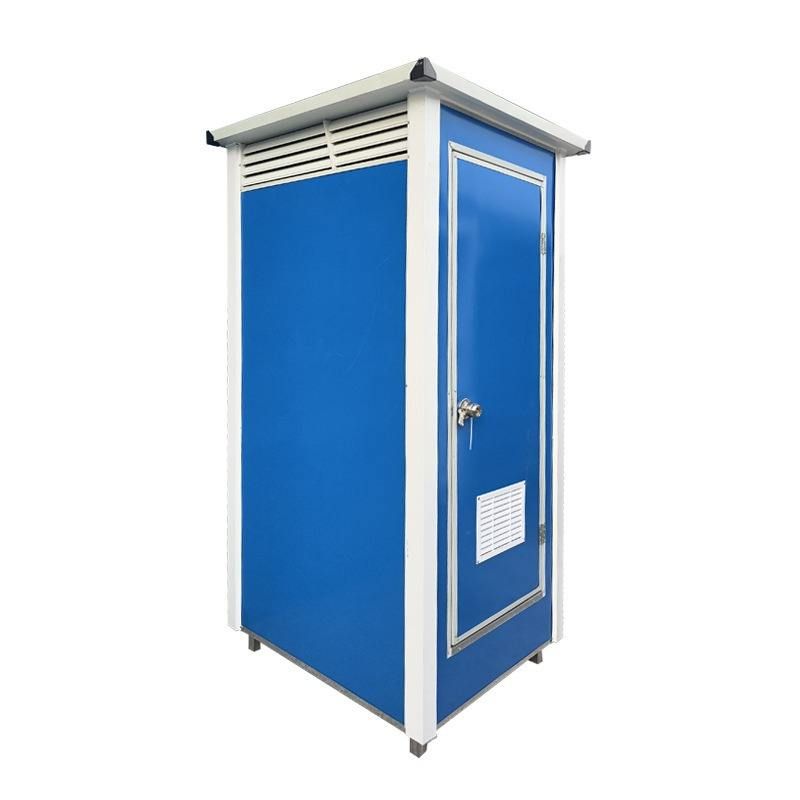
The circulating water mobile toilet in Huaibei is a public facility featuring water conservation, environmental protection, convenience, and user-friendly design. The following provides an introduction from four aspects: core features, structural advantages, application scenarios, and supporting facilities.
1. Water Conservation and Environmental Protection Design
The core advantage of circulating water mobile toilets lies in their water-saving systems. Through biodegradation, physical filtration, or chemical treatment technologies, some models can achieve on-site treatment and recycling of fecal waste, significantly reducing water consumption. For example, models equipped with their own fecal treatment systems can convert excreta into harmless substances, avoiding reliance on municipal sewage networks, and are particularly suitable for water-scarce areas or temporary event settings. Additionally, their design meets green environmental protection requirements, focusing on reducing environmental loads from material selection to operational processes, such as using biodegradable materials or low-energy-consumption equipment.
2. Structural Flexibility and Transportation Convenience
These toilets adopt a modular design, with the main structure composed of standardized components that can be quickly disassembled and reassembled. This characteristic allows them to adapt to changing needs at different sites, such as moving from construction sites to scenic spots or adjusting layouts based on foot traffic. During transportation, components can be stacked or packaged separately, reducing logistics costs and shortening on-site installation time, typically completing deployment within a few hours, greatly enhancing usage efficiency.
3. Diverse Application Scenarios
Circulating water mobile toilets have a wide range of applications, covering construction sites, scenic spots, urban temporary event areas, and other locations without fixed public toilets or with high foot traffic. In construction site scenarios, their mobility allows them to adjust positions according to project progress; in scenic spots, they can alleviate toilet pressure during peak tourist periods while avoiding damage to natural landscapes; in urban areas, they can quickly respond to supporting needs for temporary events (such as exhibitions, performances), filling coverage gaps left by fixed public toilets.
4. User-Friendly and Safety Features
To enhance the user experience, mobile toilets are equipped with multiple user-friendly facilities: Inductive fresh air systems can monitor air quality in real-time and automatically ventilate to keep the interior fresh; barrier-free designs include assistive handrails for the disabled, dedicated toilet stalls, as well as baby seats and diaper-changing tables to meet the needs of families and special groups; in terms of safety features, configurations such as fire extinguishers and emergency alarm buttons can respond to emergencies, ensuring usage safety. Additionally, some models also add children's toilet stalls, further refining service scenarios.
In summary, the circulating water mobile toilet in Huaibei achieves a balance between environmental protection, convenience, and user-friendliness through technological innovation and functional optimization, becoming an indispensable public facility in modern cities and temporary settings.