
Back to blog
Article
Huaian Rural Mobile Toilets
Admin September 21, 2026
Huaian rural mobile toilets are facilities designed to meet temporary or mobile sanitation needs in rural areas. They do not rely on fixed sewer systems and usually come with or are connected to simple collection and treatment devices.
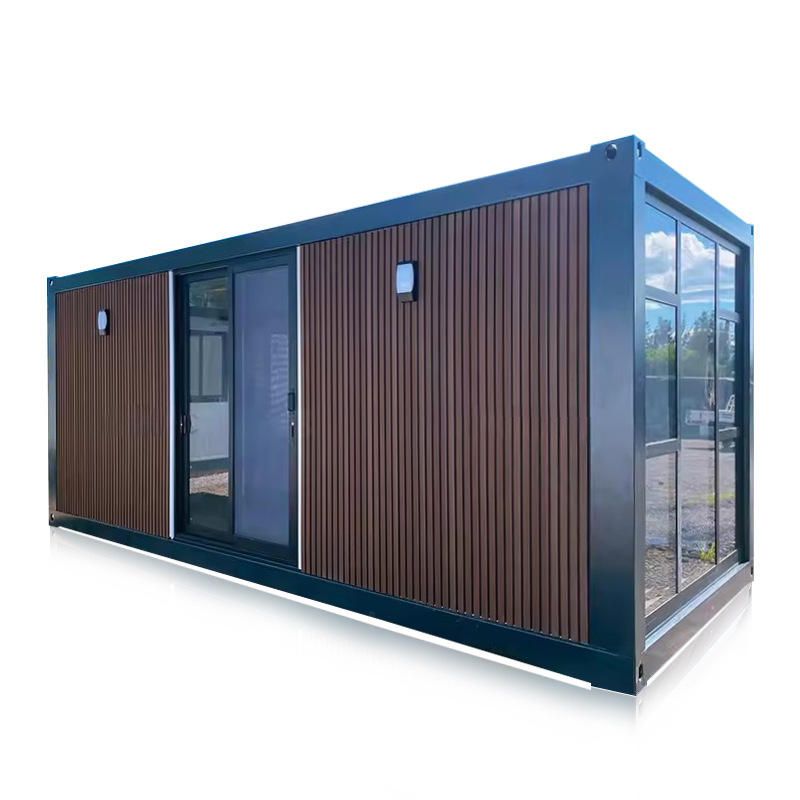
Common Types and Characteristics
- Simple Assembly-Type Toilets
These toilets use prefabricated components made of lightweight materials, allowing for quick assembly and disassembly. They have a simple structure and low cost, making them suitable for short-term use at fixed locations. They are equipped with movable collection buckets inside that require regular cleaning and are ideal for rural events and temporary gatherings. - Trailer-Mounted Mobile Toilets
These are like independent small rooms with wheels that can be towed by vehicles to the desired location. They offer spacious interiors and more complete facilities, such as ventilation windows, simple lighting, and sturdy toilets. They are suitable for construction sites, seasonal farms, and other locations where long-term stays are required. - Biodegradable Dry Toilets
These toilets focus on environmental protection and do not use water for flushing. A container is placed beneath the toilet, and biodegradable materials are added. Microorganisms are used to convert waste into harmless organic matter, making post-treatment simple and reducing pollution. They are suitable for areas with high ecological requirements or long-term fixed locations, such as rural tourist areas and ecological protection zones. - Mobile Toilets with Small Treatment Devices
These toilets have a high degree of integration and are equipped with small septic tanks or filtration and disinfection devices inside or beneath them. They can perform preliminary treatment of waste, extending the cleaning cycle and improving hygiene. They are suitable for occasions with high usage frequency or slightly higher hygiene requirements, such as rural markets and school events.
Rental Methods
- Clarify Needs: This includes the usage occasion, estimated number of users, duration of use, and placement environment. Different scenarios have different requirements for the type and quantity of mobile toilets.
- Understand Types and Functions: For example, ordinary flush-type toilets offer good cleanliness and are suitable for most outdoor activities; water-saving and environmentally friendly types use less water and are suitable for water-scarce rural environments or long-term placement sites; models with barrier-free facilities are convenient for people with mobility impairments.
- Find Rental Service Providers: You can search by consulting acquaintances with rental experience or paying attention to local merchants providing similar services.
- Communicate Details: Inquire about the specific dimensions, internal facility configurations, condition and cleanliness, unit rental price, delivery fees, whether installation incurs additional charges, and subsequent cleaning and maintenance services of the mobile toilets.
- Sign an Agreement: It is advisable to sign a rental agreement with the service provider, specifying the model and quantity of the rented mobile toilets, the rental start and end dates, the total cost, payment method, and the responsibilities and obligations of both parties.
Related



