
Huai'an Courtyard Mobile Toilet
When selecting a courtyard mobile toilet in Huai'an, it is essential to comprehensively consider key factors such as type, structure, and treatment system to match the needs of household daily backup or temporary use scenarios.
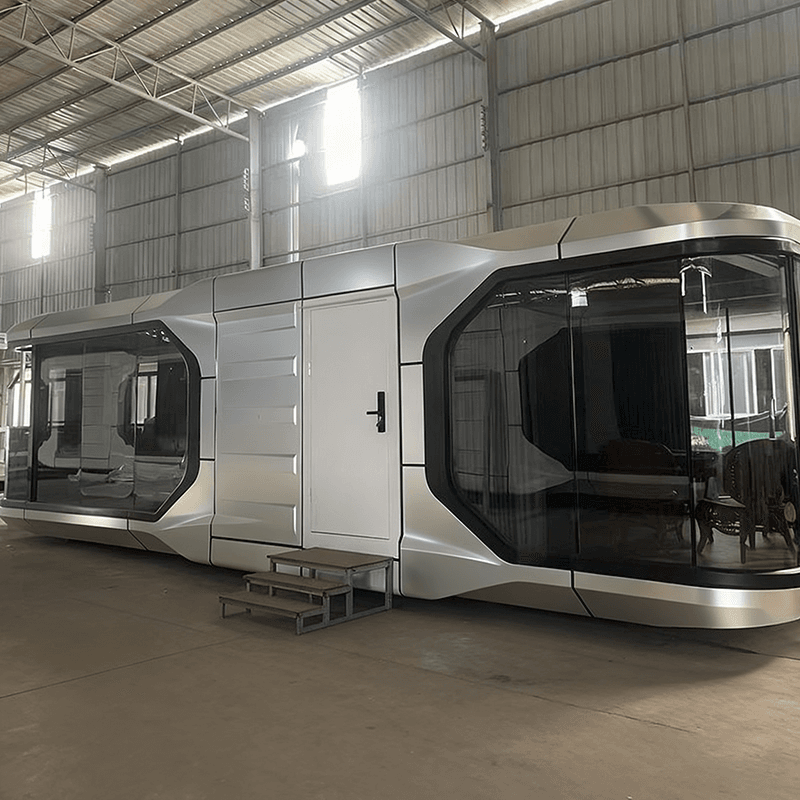
1. Type and Material Selection The main types of courtyard mobile toilets are mobile toilets and eco-friendly toilets, with materials needing to balance durability and ease of maintenance. For household scenarios with regular usage frequency and a fixed number of occupants, it is recommended to prioritize stainless steel or steel structure main frames, which offer strong rust and corrosion resistance and can adapt to outdoor environments. For wall materials, aluminum-plastic panels or eco-friendly composite materials are recommended, which have outstanding anti-aging and UV resistance properties and feature smooth surfaces that are easy to clean. The roof should use materials with excellent waterproof performance (such as PVC or asphalt shingles) and be designed with a reasonable drainage slope to prevent water accumulation and leakage. The floor should be made of slip-resistant, waterproof, and wear-resistant composite materials to ensure safety and secure attachment to the ground.
2. Treatment System Adaptability The treatment system is a core indicator and should be selected based on household usage habits:
- Packing-type mobile toilets: These seal excreta separately using biodegradable films or plastic bags, requiring no water and offering flexible mobility, suitable for temporary use or emergency situations during maintenance. However, they require regular replacement of consumables (such as packing bags and deodorizers), with low maintenance costs but requiring manual operation.
- Biodegradable (dry/microbial) types: These utilize microorganisms to decompose excreta into organic fertilizer, operating entirely without water, aligning with eco-friendly concepts and offering excellent odor control, suitable for long-term household backup. However, it is important to note that the activity of microbial strains is affected by temperature, requiring auxiliary insulation measures in winter, and the initial cost is relatively high.
3. Structural Stability and Privacy Design The main frame should be made of high-strength metal or composite materials to ensure wind and earthquake resistance. The wall thickness is recommended to be no less than 50mm to enhance sound insulation. Doors and windows should be equipped with locks and frosted glass to ensure privacy. The internal space layout should be reasonable, with sufficient activity space reserved (recommended to be no less than 1.2m × 1.2m), and a ventilation system (such as an exhaust fan or natural ventilation opening) should be configured to reduce odor accumulation.
4. Cleaning and Maintenance Convenience Choose materials with smooth surfaces and no dead corners (such as one-piece molded plastic or polished metal) to reduce dirt residue. Internal fittings (such as toilets and sinks) should be detachable for cleaning to prevent bacterial growth. If a biodegradable type is selected, regular inspection of microbial activity and replenishment of strains are required. For packing types, a consumable replacement process should be established to ensure timely disposal of sealed bags.



