
How to Write Information for Prefabricated Houses
Information for prefabricated houses should cover basic information, ownership details, usage information, and other relevant details. Here are the specific points for filling out the information:
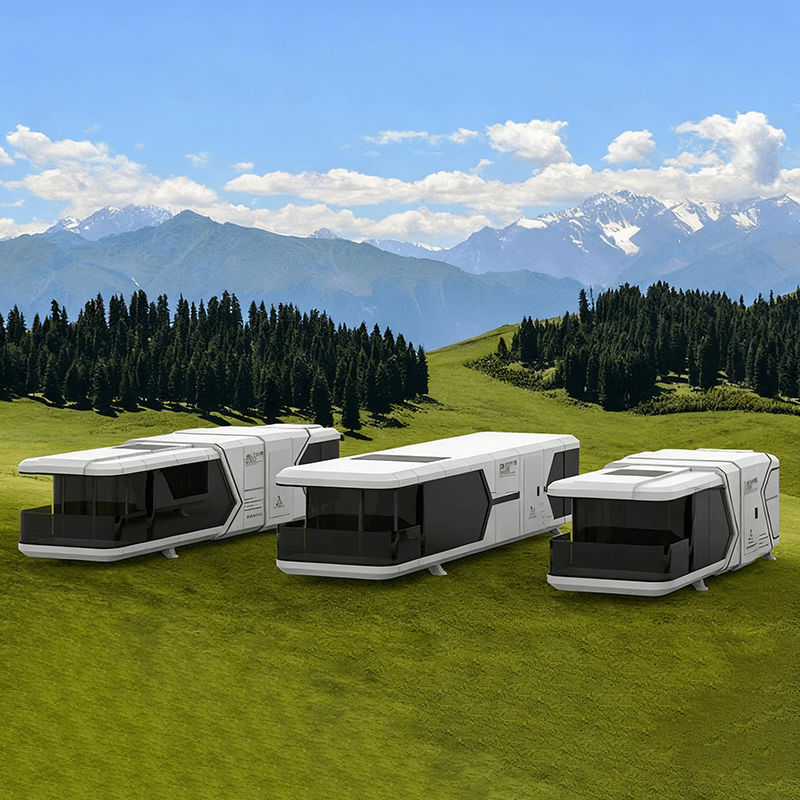
Basic House Information requires specifying the house's location, down to the province, city, district, street, and house number, ensuring the address is accurate. The house area should distinguish between the building area and the actual usable area, and both should be filled out separately. The house structure is the core of prefabricated house registration, and the structural type should be described based on the actual situation, such as brick-concrete structure (prefabricated slabs as floor slabs mounted on brick masonry load-bearing walls) or prefabricated structure (cast-in-place structural columns and prefabricated hollow slabs forming an integral load-bearing system), and the total number of floors and the floor on which the house is located should be indicated. Accurate registration of the structural type directly affects the validity of property rights registration. In case of disputes, a structural identification report issued by a qualified house inspection agency can be used as legal evidence.
House Ownership Information requires specifying the nature of the property rights, distinguishing between state-owned, collective, or private property rights. The property certificate number should be filled out in full according to the certificate content, and the property owner's information should include basic details such as name and ID number to ensure clear and traceable ownership.
House Usage Information should be filled out according to the actual usage function. Residential types include complete residential units, residences, apartments, serviced apartments, and studio apartments; non-residential types include commercial properties, retail outlets, clubs, offices, office buildings, apartment hotels, and warehouses. The usage registration should be consistent with the planned usage to avoid subsequent disputes.
Other Relevant Information should include the house's construction year, accurate to the year; the decoration situation should describe the level of decoration (e.g., unfinished, simple, or luxury) and style (e.g., modern, Chinese, or European); and supporting facilities should list schools, hospitals, shopping malls, and transportation stops within a 500-meter radius to reflect the convenience of using the house.
Points to Note When Filling Out: Due to the structural particularity of prefabricated houses, it is essential to verify the structural type and construction year to avoid invalid property rights registration due to incorrect information. If the house has been renovated or extended, supplementary explanations and relevant approval documents should be provided. All information should be true and valid to avoid legal risks arising from false registration.



