
Back to blog
Article
How to Use Portable Toilets Outdoors
Admin October 12, 2026
The use of portable toilets outdoors should follow general principles and be adjusted according to different scenarios. The specific steps are as follows:
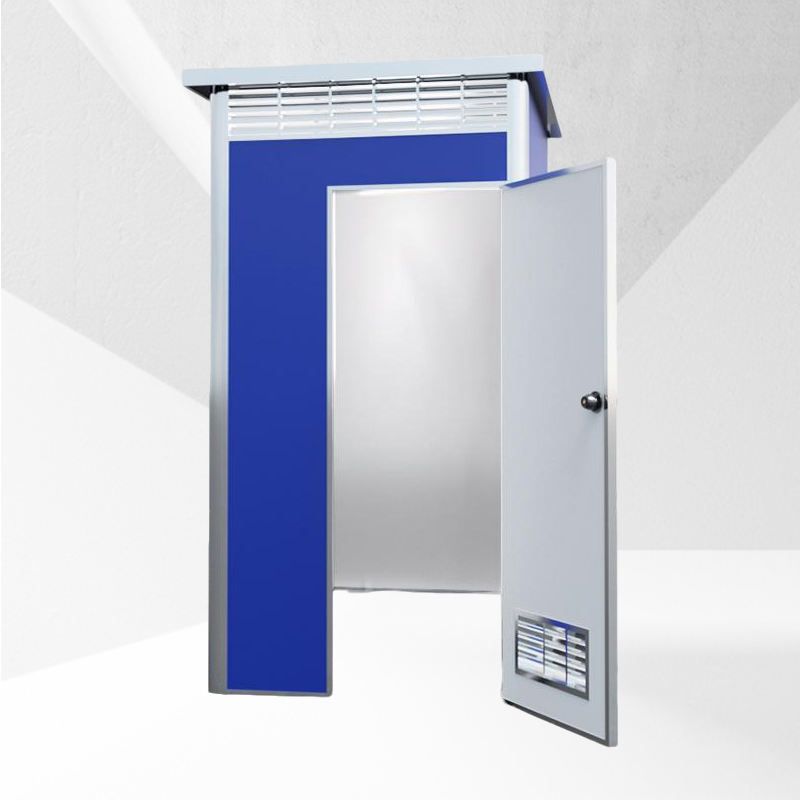
I. General Usage Steps
Site Selection and Installation
- Site Selection: Choose a flat location with good drainage and away from water sources (such as rivers and lakes). Avoid low-lying areas prone to water accumulation, construction dust zones, or core activity areas (such as stages and entrances). Reserve space for personnel or vehicle passage.
- Fixing: Tent-style toilets require fixing the supports, and in strong winds, use weights or ropes for reinforcement. For construction sites, it is recommended to use expansion bolts or counterweights to secure the bottom. Chemical treatment toilets should add reagents according to the instructions, and biodegradable toilets should use biodegradable bags.
Usage and Hygiene Management
- Post-Toilet Disposal: Seal the excreta container. Biodegradable bags should be buried after use (more than 60 meters away from water sources). Do not use the toilet as a garbage dump to avoid polluting the soil and water sources.
- Hand Cleaning: Use hand sanitizer to clean your hands and reduce cross-contamination.
Response to Extreme Weather
- Strong Winds: Choose a sheltered location for installation and reinforce the supports.
- Heavy Rain: Move to a dry area in advance to avoid equipment short circuits.
- High Temperature/Cold: Install sunshades, fans, or insulation layers.
II. Scene-Specific Operation Points
Outdoor Activities (Camping, Hiking)
- Type Selection: For single users, choose foldable or bag-style toilets; for multiple users, choose tent-style or chemical treatment toilets.
- Portability: Backpackers should prioritize lightweight and foldable models; for car camping, slightly larger capacities can be chosen.
Construction Site Scenarios
- Drainage Design: Set up independent drainage pipes or temporary collection buckets. In mountainous areas, shallow ditches can be dug to guide rainwater.
- Cleaning and Maintenance: Clean at least once a day and disinfect weekly; check the water and electricity lines and flushing system.
- Electrical Safety: Electric flushing toilets should be equipped with leakage protectors, and cables should be elevated or protected with conduits.
Large-Scale Events (Concerts)
- Basic Facilities: Clarify the power supply and drainage plans, reserve garbage collection points, and set up signage.
- Staffing: Equip each event with 2-3 staff members responsible for guiding and maintaining order.
- Emergency Plan: Reserve spare toilets to meet temporary increases in demand.
III. Maintenance and Storage
- Clean and dry after use to prevent bacterial growth.
- Check that foldable components are intact and avoid long-term pressure deformation.
- Store chemical reagents separately, away from children and high-temperature environments.
By following standardized operations, portable toilets can effectively meet temporary toilet needs in outdoor scenarios while considering environmental protection and safety.



