
How to Use Mobile Public Toilets
The use of mobile public toilets should be carried out in accordance with their structural types and functional characteristics, following the standardized steps below:
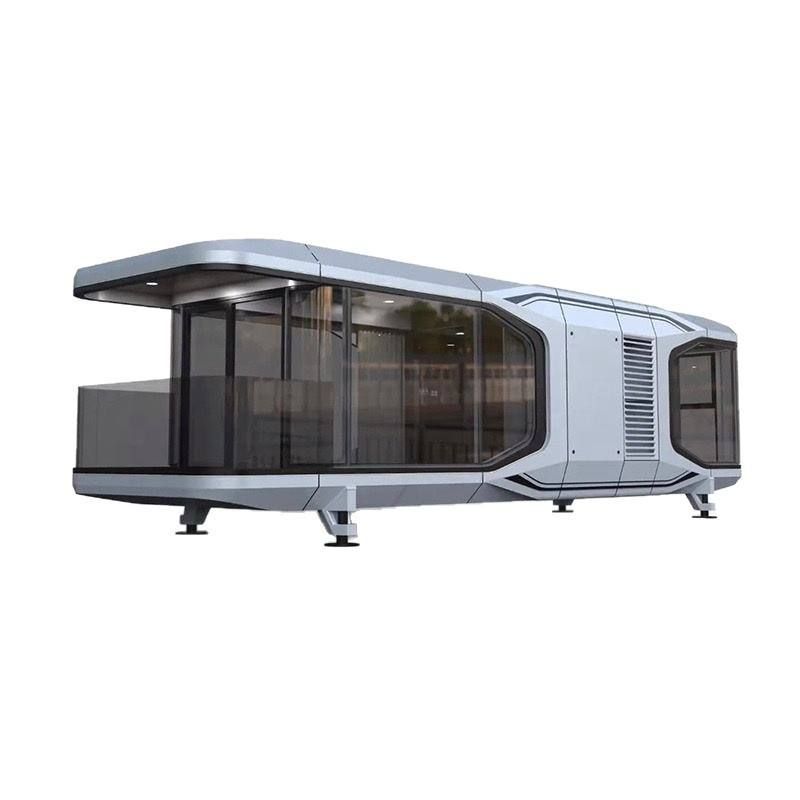
I. Basic Usage Guidelines Mobile toilets are classified into single and composite structures, and according to sewage treatment methods, they include water-flush, non-water-flush suction, and circulating water-flush types. Before use, it is necessary to confirm the toilet type: water-flush types require a connection to a water source; non-water-flush types rely on dry packing or foam sealing technology to treat waste; circulating water-flush types require the assistance of biological bacteria for treatment. For example, in dry-packing toilets, waste is collected in biodegradable plastic bags, which are automatically replaced after use, eliminating the need for water flushing; circulating water-flush toilets require regular addition of biological bacteria to maintain treatment efficiency.
II. Key Points for Operating Water-Flush Mobile Toilets
- Water Source and Pressure: A clean water source must be connected, and sufficient water pressure ensured. Variations in water quality may affect flushing effectiveness. If the water is turbid, a filter should be installed.
- Anti-Freezing Measures: Before use in winter, turn on the heating cable switch and electric heater. When not in use, empty the water tank, inlet pipe, hand basin, and squat toilet to prevent pipe freezing and cracking.
- Sewage Maintenance: It is recommended to flush the sewage pipes with a high-pressure water gun every 20-60 days (20 days in winter/60 days in summer) to prevent blockages. If sewage drainage is不畅 (not smooth), contact professional personnel for cleaning promptly.
- Lifting Sealing: After lifting, reapply sealant at the lifting points to prevent rain leakage. Regularly inspect the condition of the sealant and reapply as needed.
III. Precautions for Other Types of Toilets
- Intelligent Water-Saving Type: By collecting hand-washing water and adding a special agent, it achieves a low water consumption of 0.46 liters per person for flushing. Regularly replenish the water-saving agent to avoid incomplete flushing due to insufficient agent.
- Trailer or Box-Type Substation Cabinet Type: Suitable for vehicle-mounted or temporary sites, the fixing method should be adjusted according to site conditions, such as using ground anchors or counterweights to prevent tipping.
IV. General Configuration Usage Guidelines Standard configurations include toilet bowls, urinals, coat hooks, vanity mirrors, waste bins, lighting, and exhaust fans. Some may optionally include heating and cooling air conditioners, air purifiers, and hand basins. When using, note the following:
- Electrical Power Matching: The exhaust fan has a power of 20W, and the electric heater has a power of 300W. Avoid overloading the electrical system.
- Hygiene Maintenance: Empty the waste bin promptly to avoid accumulation; replace damaged lighting promptly to prevent safety hazards.
V. Special Scenario Applications Independent row toilets are commonly used in scenic spots or factories and can be used without gender separation to increase usage frequency; trailer toilets must ensure the vehicle is parked stably to avoid damaging equipment during movement.
Suggestion: Before use, carefully read the operating instructions posted inside the toilet or contact the manufacturer (such as Dezhou Hongtu Metal Products Co., Ltd.) for targeted guidance.



