
How to Take a Shower in a Mobile Toilet
Taking a shower in a mobile toilet requires technical improvements and reasonable planning, with a focus on water source, drainage, safety, and space utilization. Here are the specific steps:
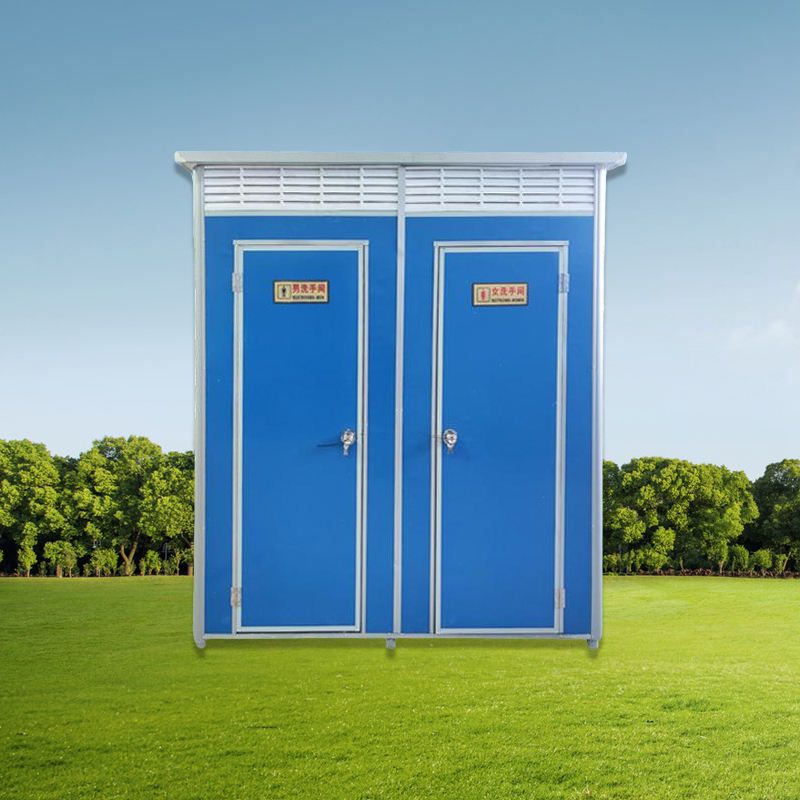
1. Water Source and Water Supply System Configuration Mobile toilets are originally designed to support only basic sanitation needs. If showering is required, additional water supply equipment is necessary. The preferred option is to install a combination system of a water storage tank and a water pump: Place the water storage tank on the top or outside of the toilet, and use the water pump to pressurize and deliver water to the showerhead, ensuring a stable water flow. If the site allows connection to a tap water pipeline, municipal water supply can be directly utilized, but a booster pump needs to be installed to overcome the height limitation of the mobile toilet. For warm water supply, an electric water heater needs to be installed. Plan the water and electricity connections in advance, and install a temperature control device to prevent excessively high water temperatures. At the same time, control the amount of water used per shower to avoid insufficient water storage.
2. Drainage System Modification Improper handling of shower wastewater can lead to water accumulation inside the toilet or overflow, polluting the environment. A dedicated drainage outlet needs to be added at the bottom of the toilet, connected to a temporary wastewater collection tank or pipeline, and the sewage should be directed to a septic tank or designated discharge point. Regularly clean the drainage pipeline, use a mesh filter to intercept hair and other debris, and prevent blockages. If gravity drainage is adopted, ensure that the floor slope of the toilet is ≥2% to facilitate the natural flow of wastewater.
3. Privacy and Safety Protection Mobile toilets have relatively weak spatial enclosure, so structural optimization is required to ensure privacy. Use foldable showerheads or wall-mounted showerheads to reduce equipment space occupation. Strengthen the ventilation system by installing exhaust fans on the top or side walls to avoid water vapor condensation that may cause short circuits in electrical circuits. Lay anti-slip mats or apply anti-slip coatings on the floor to reduce the risk of slipping. Electrical equipment should meet the IPX4 waterproof rating, and the wires in the shower area should be equipped with insulating sleeves and installed with leakage protection switches.
4. Space Optimization and Equipment Selection For the narrow space of a mobile toilet, compact equipment should be selected. It is recommended to use non-plug-in showerheads, such as manual pressurization pumps or natural pressure water outlet devices, which are small in size and do not require an additional power supply. The showerhead should preferably be hung behind the door or in a corner, utilizing the existing faucet connection. For water temperature adjustment, hot and cold water can be mixed in the water storage tank in advance, or a showerhead with a hot and cold water mixing valve can be selected to avoid frequent adjustments during showering.
5. Maintenance and Management Specifications The shower function will accelerate equipment wear and tear, so a regular inspection system needs to be established. Inspect the drainage system daily, clean the filter and test the drainage speed. Inspect the water pump and water heater weekly to ensure there are no abnormal noises or water leaks during operation. Monitor the water storage volume to avoid damage to the water pump due to dry running. Assign a dedicated person to clean the inside of the toilet, use a neutral detergent to wipe the shower area, and prevent mold growth.
Applicable Scenarios and Cost Considerations This solution is suitable for scenarios such as outdoor music festivals and temporary construction sites that require short-term shower services. The equipment procurement cost is approximately 2000-5000 yuan, including a water storage tank, water pump, showerhead, and anti-slip mats, etc. The installation and maintenance costs need to be evaluated based on the frequency of use. For long-term use, it is recommended to equip with spare pumps and water heaters to reduce the risk of downtime.



