
How to Set Up Mobile Toilets in Residential Areas
The setup of mobile toilets in residential areas requires comprehensive consideration of various factors, including regulations, planning, site selection, installation and maintenance, as well as optional emergency call systems.
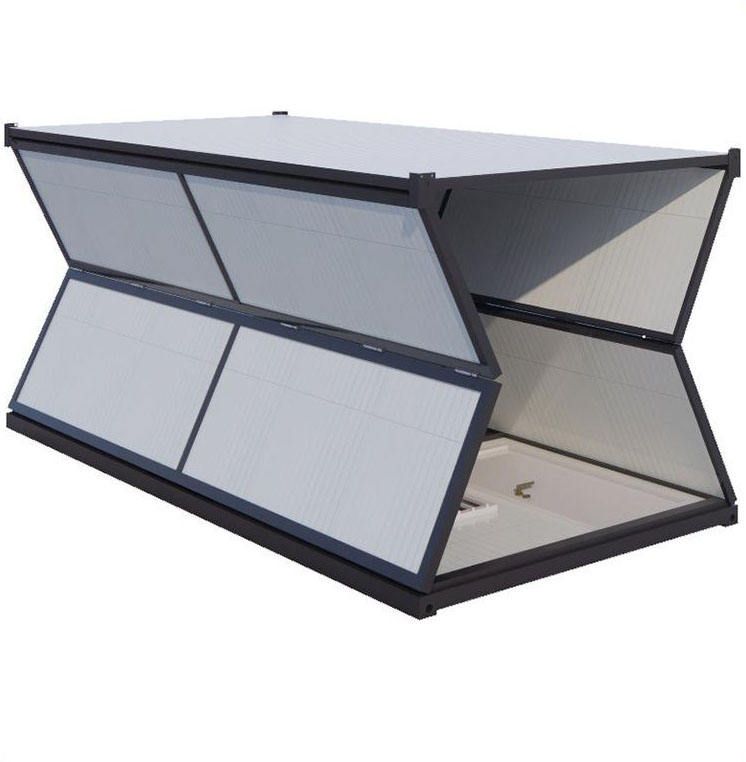
Compliance with Regulations and Standards
The installation of mobile toilets must adhere to relevant urban management regulations, such as the overall urban plan and standards for environmental sanitation facilities. Additionally, it is necessary to refer to the requirements in the "Public Toilet Hygiene Standards" regarding ventilation, lighting, cleaning, and disinfection, as well as considerations in the "Environmental Sanitation Facility Setup Standards" concerning pedestrian traffic density, usage needs, and the surrounding environment.Approval and Planning Before Setup
Before installation, an application must be submitted to the relevant authorities, specifying key information such as the location, quantity, and type of mobile toilets. Approval must be obtained before implementation can proceed. A detailed plan should also be developed, including layout design, internal facility configuration (such as toilets, sinks, lighting, etc.), and a management and maintenance plan to ensure functionality and practicality.Site Selection Requirements
Priority should be given to locations near areas with high pedestrian traffic to facilitate resident use. Avoid setting up in low-lying areas prone to waterlogging or areas with dense underground pipelines to prevent damage from water accumulation or construction. Site selection should balance convenience and safety.Facility Installation and Maintenance
- Installation Requirements: The installation must be stable and secure, with the ground hardened. The equipment should be effectively connected to the municipal sewage system or septic tank to ensure smooth drainage.
- Daily Maintenance: Assign dedicated personnel for inspections, promptly clean up garbage, replenish hand soap and toilet paper, and keep the equipment clean both inside and out. During the rainy season, strengthen anti-slip and flood prevention measures.
- Safety Facilities: Install handrails and anti-slip mats inside. Electrical equipment must comply with safety standards to avoid the risk of electric shock.
Emergency Call System Setup (Optional)
- Equipment Selection and Installation: Install call buttons in conspicuous and easily accessible locations (such as near toilets or sinks). The signal transmission module can be wireless or wired, and the receiving terminal must clearly display the source of the call.
- System Debugging and Configuration: Check the stability of line connections or signal strength, set up multiple call notification methods, enable call recording functionality, and integrate with the monitoring system if possible.
- Usage and Maintenance: Regularly inspect button sensitivity, signal transmission, and the status of the receiving terminal. Educate users on how to use the system, establish an emergency response process, and conduct regular drills.



