
How to Set Quotas for Mobile Toilets
Setting quotas for mobile toilets can be handled in two main ways, depending on the type of toilet and project requirements:
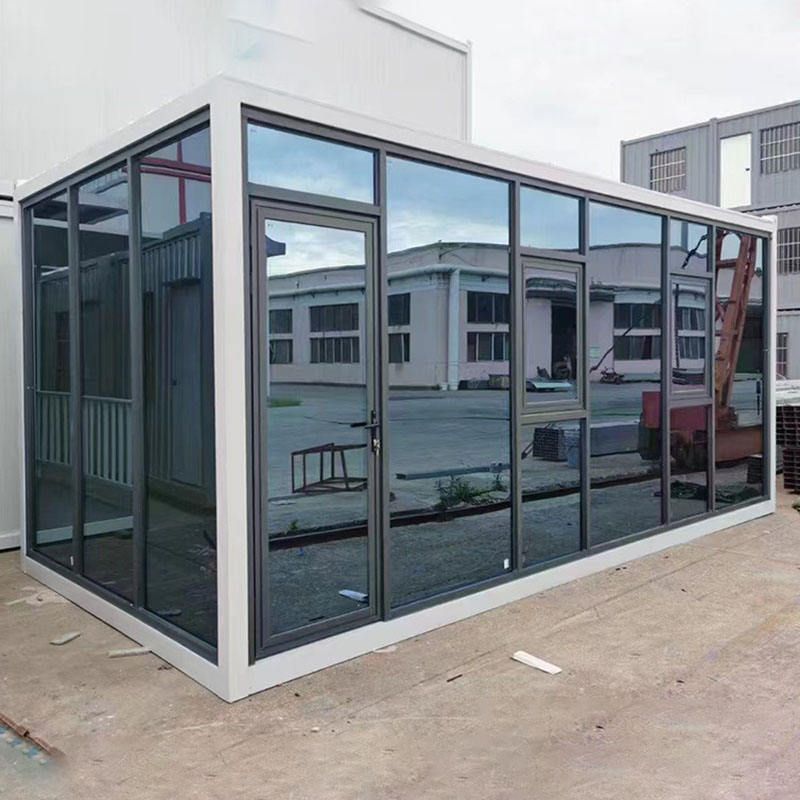
First Approach: Supplement the list and quotas based on market prices or finished product quotations If the mobile toilet is a finished product purchased as a whole (such as container-style toilets or eco-friendly mobile toilets), you can directly refer to local market prices or finished product quotations provided by suppliers for supplementation. When doing so, clarify the toilet's specifications, materials, and functional configurations (such as whether it includes a sewage system, lighting fixtures, etc.), and divide the price into two parts: 'equipment purchase cost' and 'installation and commissioning cost'. For example, if the market price of a standard mobile toilet from a certain brand is 30,000 yuan per unit, with equipment costs accounting for 80% (24,000 yuan) and installation costs accounting for 20% (6,000 yuan), these should be listed separately and the calculation basis noted when supplementing the quotas. This method is suitable for standardized finished products and offers the advantages of simple operation and transparent pricing. However, it is important to verify the timeliness of market prices (such as fluctuations in steel prices that may affect costs) and the qualifications of suppliers to avoid budget deviations caused by inflated prices.
Second Approach: Set quotas item by item based on materials and processes (suitable for simple mobile toilets) If the mobile toilet is assembled on-site or has a simple structure (such as a color-steel plate toilet), quotas should be applied item by item based on the actual materials used and construction processes. For example, the quotas for a color-steel plate toilet can be broken down into: main structure (quantity and unit price of color-steel plates and square tube frames), doors and windows (specifications and installation costs of aluminum alloy windows and steel doors), internal facilities (purchase and installation of squat toilets, water tanks, and lighting fixtures), foundation construction (engineering quantity and unit price of concrete foundations or steel frame foundations), and transportation and hoisting (costs calculated based on the toilet's weight and transportation distance). Taking a color-steel plate toilet as an example, if the walls use 0.5mm-thick color-steel plates (unit price: 50 yuan/㎡) and the frame uses 40×40mm square tubes (unit price: 8 yuan/m), the area of the color-steel plates and the length of the square tubes need to be calculated based on the design drawings, and then the corresponding quota sub-items applied. This method requires detailed recording of material specifications and construction steps and offers strong cost controllability. However, it requires the compiler to have a high level of engineering quantity calculation ability and to ensure that the quota sub-items match the actual processes (such as the welding process for color-steel plates corresponding to the welding sub-item in the metal pressure vessel quotas).
Precautions: Regardless of the method used, the type, specifications, materials, and functional parameters of the mobile toilet must be noted in the quota description, and a market price survey report or material list should be attached as evidence. If there are no directly corresponding quota sub-items in the project location, adjustments can be made by referring to the quotas of similar projects (such as temporary buildings or prefabricated panel houses), but this must be confirmed by the construction unit or cost review department.



