Back to blog
Article
How to Sell Container Houses
Admin September 16, 2026
The sales of container houses require a combination of product positioning, target market, sales channels, and marketing strategies to achieve efficient sales by clarifying product types, exploring customer needs, expanding sales channels, and strengthening brand services.

I. Clarify Product Types and Positioning Container houses can be divided into three categories based on their structure:
- Traditional Container Conversion Houses: Made from discarded shipping containers, these houses are cost-effective and suitable for temporary uses with limited budgets (such as construction site dormitories and warehousing).
- Brand-New Welded Box Houses: Constructed using steel welding, these houses are more structurally stable and can be customized in size and function, making them suitable for long-term use scenarios (such as scenic area homestays and commercial offices).
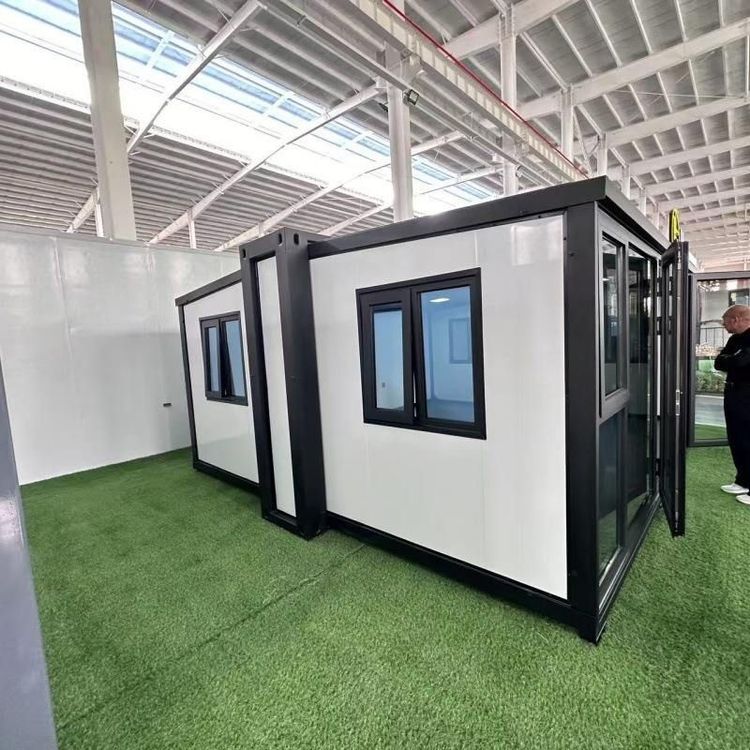
- Demountable Mobile Panel Houses: Designed with a modular approach, these houses are easy to transport and reassemble, making them suitable for scenarios requiring flexibility (such as emergency relief and exhibition events). Price Range: Depending on the decoration and configuration differences, the price of a single unit ranges from 5,000 yuan to 200,000 yuan. It is necessary to clarify product positioning based on the target customer's budget.
II. Explore Target Market Demands
- Infrastructure Sector: Construction sites have a high demand for temporary dormitories and offices, emphasizing rapid deployment, durability, and cost-effectiveness.
- Cultural and Tourism Industry: Scenic areas and camping bases require unique accommodations, focusing on design aesthetics and landscape integration. Themed container houses (such as pastoral and industrial styles) can be introduced.
- Commercial Spaces: Startup parks and market stalls require low-cost movable shops. Customized exteriors and functional partitions can be provided.
- Emergency and Public Welfare: Purchased by governments or NGOs for disaster relief and settlement, these houses need to comply with fire and earthquake resistance standards and simplify the installation process.
III. Expand Diversified Sales Channels
- Online Platforms: Utilize B2B platforms such as 1688 and Alibaba.com to showcase products, highlighting price, specifications, and delivery cycles. Attract C-end customers by posting case videos on social media (such as Douyin and Xiaohongshu).
- Offline Cooperation: Establish long-term cooperation with construction companies, travel agencies, and event planning companies, offering bulk purchase discounts. Set up experience points in building material markets to enhance customer trust.
- Lease-to-Sale: Offer leasing services for customers with short-term needs and subsequently guide them to purchase through discounts, reducing decision-making thresholds.
IV. Strengthen Brand and Service Advantages
- Customized Design: Provide customized services for exterior painting, interior layout, and functional modules (such as solar panels and bathrooms) to meet personalized needs.
- After-Sales Support: Clearly define warranty periods (such as 7-day replacement and 1-year warranty) and provide rapid response maintenance services to address customer concerns.
- Environmental Promotion: Emphasize environmental characteristics such as recyclable materials and construction without construction waste to attract government projects or enterprises focusing on sustainable development.