
Back to blog
Article
How to Secure Mobile Toilets on Trucks
Admin October 01, 2026
Securing mobile toilets on trucks requires a combination of tool selection, position determination, multi-level reinforcement, and protective measures. The specific steps are as follows:
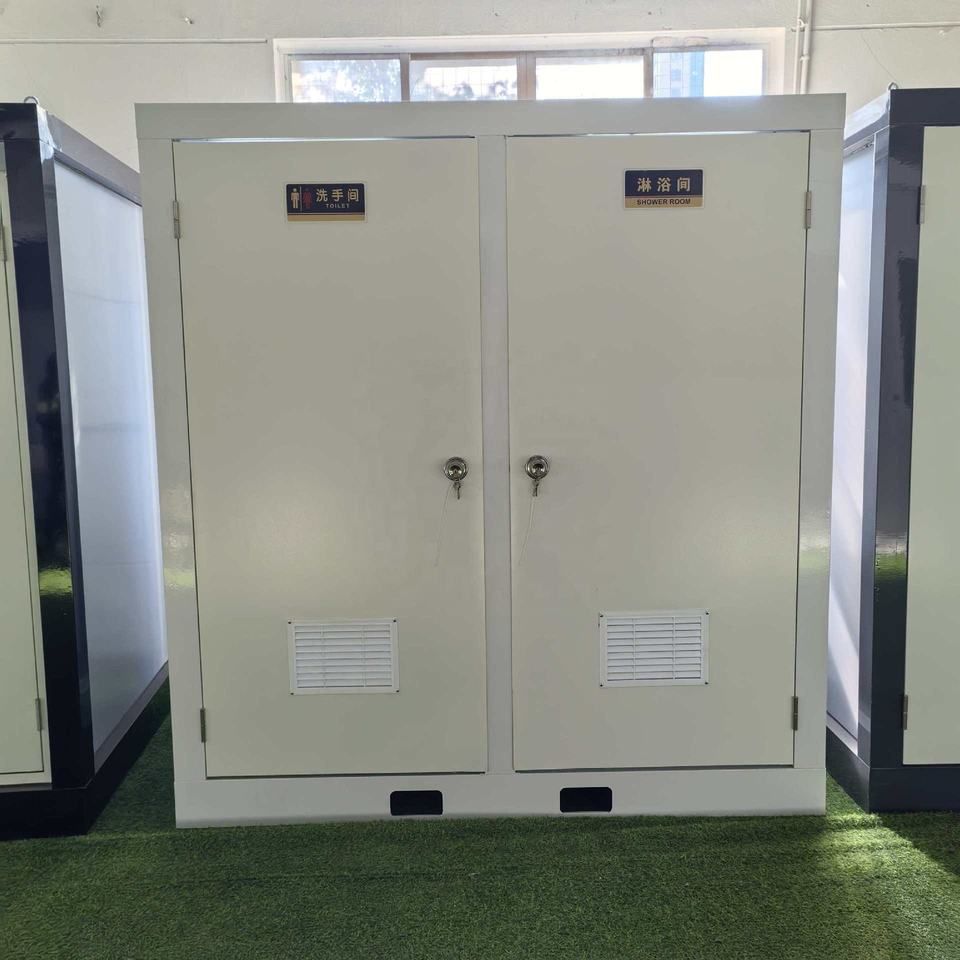
1. Select Appropriate Fixing Tools
Choose tools based on the size and weight of the mobile toilet:
- Small toilets: Use high-strength nylon straps with a width of ≥5 cm and a tensile strength of ≥5,000 kg. Wrap the straps around the bottom or side fixing points of the toilet and secure them to the vehicle's fixing rings or rails.
- Large or heavy toilets: Preferably use steel wire ropes or chains with a diameter of ≥8 mm, paired with professional steel wire rope clamps (at least 3 clamps per fixing point, with a spacing of ≥6 times the diameter of the steel wire rope) to ensure a secure connection.
2. Determine Fixing Positions
- Bottom fixing: Connect the straps, chains, or steel wire ropes to the reinforced structures at the four corners or edges of the toilet's bottom (such as dedicated fixing points). Tighten them through the vehicle's bottom fixing rings or brackets to ensure the toilet's bottom is tightly attached to the truck bed.
- Side fixing: For taller or easily swaying toilets, set fixing points at the middle or upper part of the sides (such as handles or rails). Use straps or steel wire ropes to diagonally pull them to the vehicle's side rails or pillars, forming a triangular stable structure.
3. Implement Multi-Level Reinforcement
- Limiting measures: Place limiting blocks at the bottom of the toilet to prevent lateral sliding.
- Cross-fixing: Use nylon straps to cross-bind and add rubber or soft cloth pads at the contact points to avoid damaging the toilet's surface.
- Auxiliary reinforcement: Use chain hoists to further tighten the fixing, applying moderate force to avoid deforming the toilet's steel structure. All fixing points should preferably be selected at the steel structural frame positions of the toilet.
4. Add Protection and Cushioning
- Anti-slip treatment: Lay anti-slip rubber mats with a thickness of about 5 cm and a rough surface at the contact areas between the toilet and the truck bed to enhance friction.
- Cushioning protection: Place foam boards or sponges around the toilet and at the contact points of the fixing points to reduce collisions and friction during transportation.
5. Pre-Transport Inspection and In-Transit Monitoring
- Pre-departure inspection: Confirm that the fixing tools are not damaged and that the straps, chains, or steel wire ropes are tightly secured without looseness.
- In-transit checks: Regularly stop to inspect whether the fixing devices have shifted, whether the straps have loosened, and whether the toilet's position has deviated. Make timely adjustments and reinforcements.
By following these steps, you can ensure the stability of mobile toilets during truck transportation and reduce safety risks.
Related
You may also like

27Oct
Portable Toilet Eco-Friendly: MOQ, Samples & Quotation Guide
Read More
27Oct
Top Portable Toilet Color Steel Manufacturers: How to Choose a Factory Partner
Read More27Oct
Portable Toilet Picture: Types, Features & Buying Tips
Read More
27Oct