
How to Rent a Portable Toilet
Renting a portable toilet can be done following these steps, and relevant precautions should be taken:
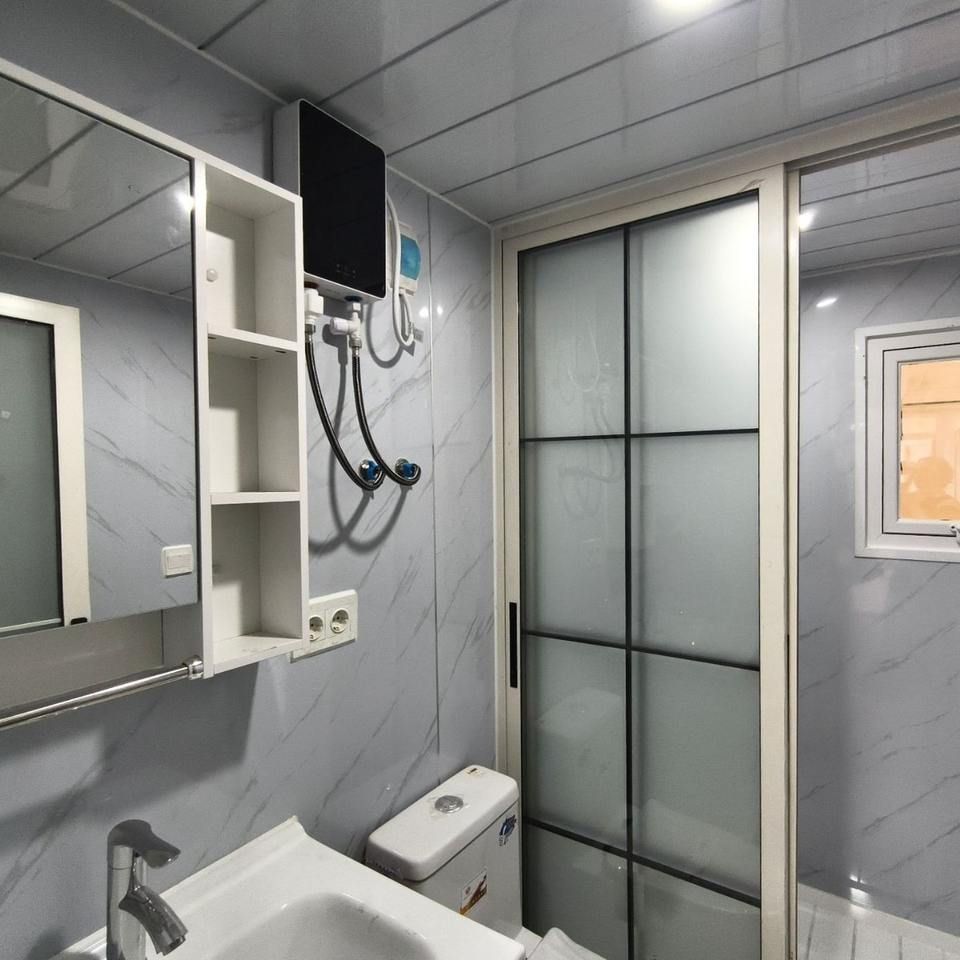
I. Rental Steps
Determine Requirements Select an appropriate portable toilet model based on the usage scenario (such as outdoor events, construction sites, exhibitions, etc.), the estimated number of users, and the duration of use. For example, a single-person toilet is suitable for small-scale events, while multi-person connected toilets or models with sewage treatment systems are suitable for high-traffic scenarios. Clarify whether supporting facilities (such as sinks, disinfectants, etc.) are needed.
Select a Rental Company Screen through internet searches, industry recommendations, or local service providers. Prioritize companies with complete qualifications (such as business licenses, environmental certifications), good reputations, and service coverage that matches your needs. When comparing prices, note whether additional services such as transportation, installation, and cleaning are included.
Discuss Rental Details Confirm terms such as rental fees, deposits (usually 20%-50% of the equipment value), payment methods (such as installment or one-time payment), delivery and pickup times, and service scope (such as whether regular cleaning and consumable replenishment are provided) via phone or online platforms.
Sign a Contract The contract should clearly specify the quantity and model of equipment, usage location, rental period, cost breakdown, and liability for breach of contract. Focus on verifying damage compensation standards (such as pricing for shell scratches and internal facility damage) and penalty ratios for delayed returns to ensure the terms are unambiguous.
Payment and Receipt Pay the initial rental fee and deposit as agreed in the contract and retain the transfer receipt. Upon receipt, inspect the equipment's appearance (such as door locks, sewage outlets) and functionality (such as flushing and ventilation systems), take acceptance photos, and retain them. If any issues are found, request a replacement immediately.
Usage and Maintenance Operate according to the instructions and avoid using strongly corrosive cleaning agents. Regularly check whether the sewage pipes are blocked and promptly contact the company for fault handling. Keep the floor dry to prevent slipping risks.
Return and Settlement Clean the interior of the equipment before returning it to ensure no items are left behind. After the rental company inspects it, the deposit will be refunded or compensation fees deducted based on actual usage.
II. Precautions
- Environmental Protection and Compliance: Choose equipment that meets national environmental standards (such as a sewage treatment compliance rate of ≥95%) to avoid penalties from regulatory authorities for emission issues.
- Placement Requirements: The equipment should be placed on a flat, hard surface, away from high-voltage lines and flammable materials. If fixation is required, consult the rental company in advance for an installation plan.
- Emergency Plan: For large-scale events, it is advisable to agree with the rental company on the number of backup units to prevent supply interruptions due to sudden failures.



