Back to blog
Article
How to Renovate a Housing Container
Admin September 15, 2026
Renovating a housing container requires comprehensive consideration of design planning, functional zoning, material selection, safety, and comfort. Here are specific renovation methods:

Design Planning
- Clarify Requirements: Determine the purpose of the container, such as for living, a studio, or a guesthouse, and plan the number of rooms and functional areas accordingly. For example, if it is for living, plan basic functional areas like bedrooms, a kitchen, and a bathroom; if it is for a studio, focus on creating a work area and a reception area.
- Measure Dimensions: Accurately measure the dimensions of the container, including length, width, and height, to facilitate reasonable planning of the internal space layout. Also, consider the load-bearing capacity of the container to avoid structural damage caused by excessive decoration.
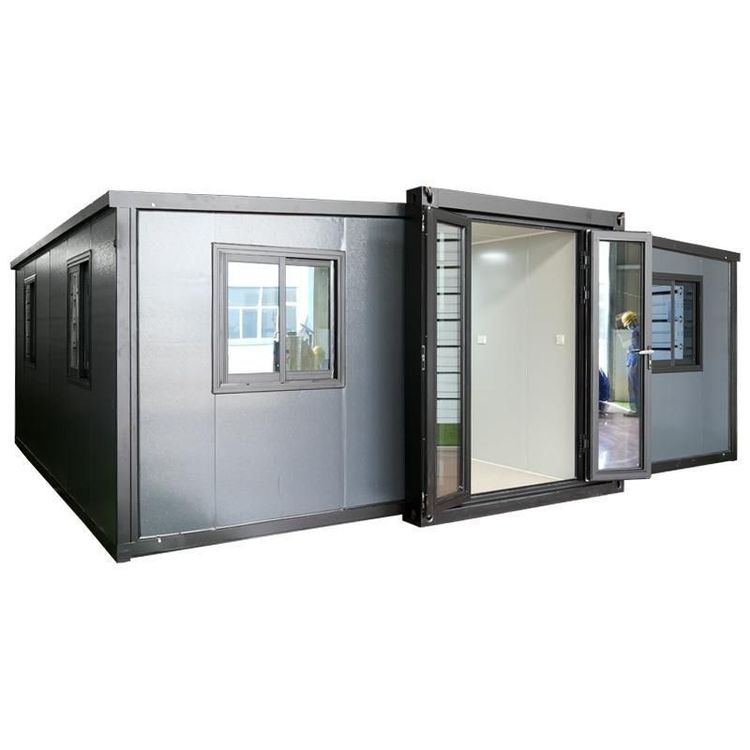
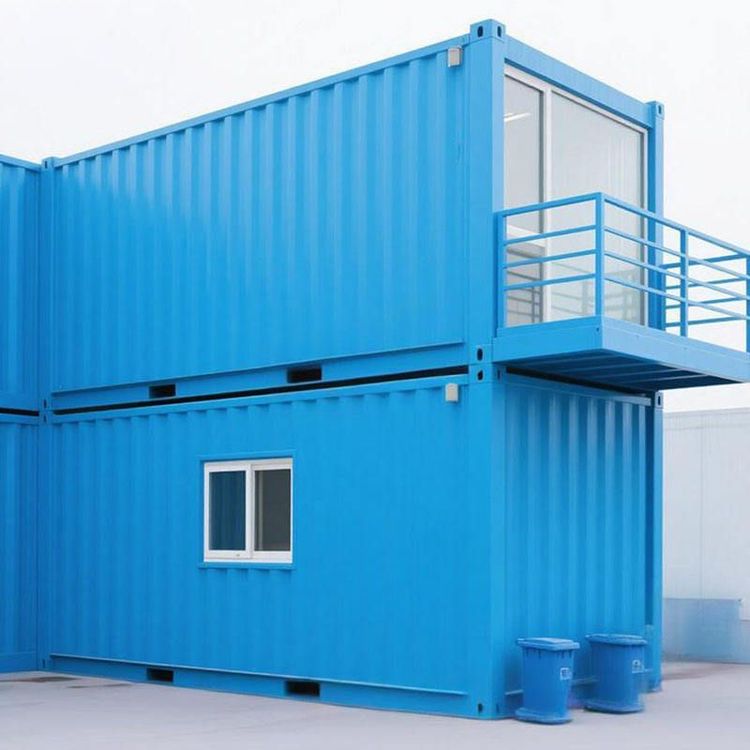
- Design Appearance: Design the appearance of the container according to personal preferences and the surrounding environment. You can choose to paint it with different colors to enhance the visual effect or install windows and doors to improve ventilation and lighting conditions.
Functional Zoning
- Reasonable Layout: Divide the interior of the container into different areas based on functional requirements. For example, set the area near the door as a living room or reception area and the interior area as a bedroom or studio.
- Utilize Space: Adopt an open design, reduce the use of partitions, and increase the sense of space permeability. At the same time, install storage cabinets and shelves on walls and ceilings to improve space utilization.
Material Selection
- Thermal Insulation: Choose materials with good thermal insulation properties, such as rock wool boards and polystyrene boards, to ensure a suitable internal temperature in the container.
- Waterproof and Moisture-proof: Apply waterproof coatings on the interior and exterior of the container and install waterproof membranes to prevent rainwater infiltration. Also, choose moisture-proof decoration materials, such as moisture-proof floors and wallpapers.
- Environmentally Friendly and Safe: Select environmentally friendly and non-polluting decoration materials to avoid harm to human health. Ensure that the decoration materials meet fire safety requirements, such as choosing flame-retardant materials.
Safety and Comfort
- Electrical and Water Circuits: Plan the electrical and water circuits reasonably to ensure electrical and water safety. Install leakage protectors and waterproof sockets to prevent electric shock accidents. Also, take insulation and anti-freezing measures for water pipes to avoid pipe bursting due to freezing.
- Ventilation and Lighting: Install sufficient windows and ventilation equipment to ensure air circulation inside the container. Also, design the position and size of the windows reasonably to make full use of natural light and reduce the use of artificial lighting.
Related