Back to blog
Article
How to Remove Stains from Mobile Toilets
Admin October 09, 2026
Follow these steps to remove stains from mobile toilets:
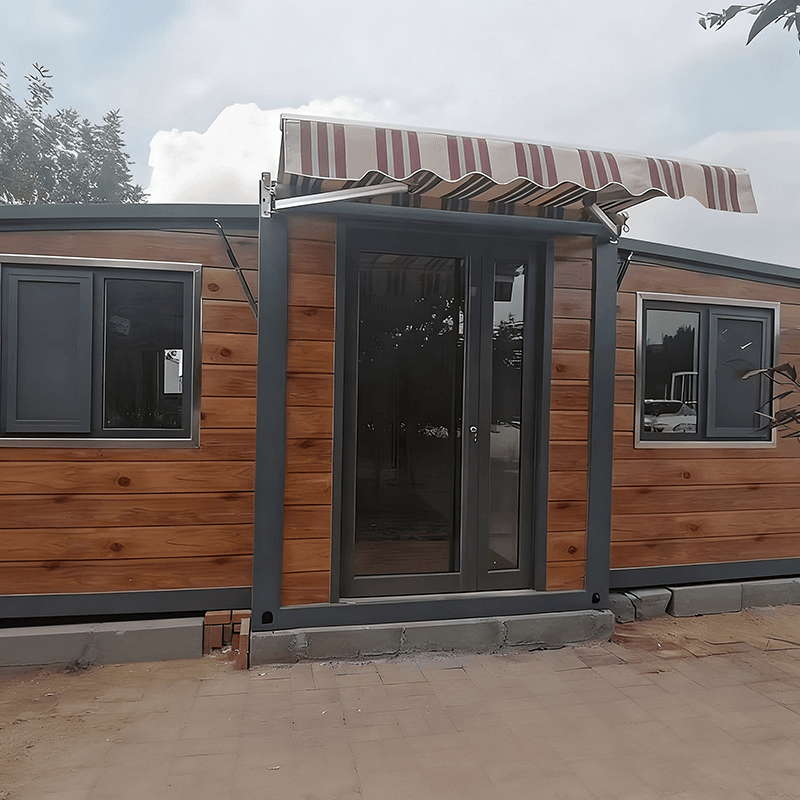
I. Preparation
Before cleaning, take protective measures by wearing rubber gloves and a mask to avoid direct contact with cleaning agents or stains. Prepare cleaning tools, including stiff-bristled brushes, soft-bristled brushes, specialized cleaning agents (such as descaling agents containing acidic components or neutral cleaning agents), cloths, mops, garbage bags, mold removers (for mold spots), and gap brushes. For public mobile toilets, prepare additional disinfectants (such as chlorine-based disinfectants) for final disinfection.
II. Garbage Removal and Preliminary Treatment
- Pour the garbage from the trash bin into a garbage bag, tie the bag tightly, and dispose of it uniformly to prevent the spread of waste.
- If there is residual excrement in the toilet, first rinse the toilet bowl or squat toilet with clean water to reduce the difficulty of subsequent cleaning.
III. Internal Cleaning
- Toilet Bowl/Urinal/Squat Toilet: Evenly spray the cleaning agent on the surface and let it sit for 5-10 minutes to decompose stains. Use a stiff-bristled brush to scrub the edges, inner walls, drain bends, and outlets of the toilet bowl; clean the urinal to remove uric acid deposits; scrub the anti-slip grooves and drain outlets of the squat toilet.
- Special Treatment for Public Toilets: If there are alkaline stains (such as a mixture of uric acid and water scale), spray with an acidic cleaning agent (such as diluted hydrochloric acid), scrub thoroughly after the reaction, and avoid damaging the ceramic surface.
IV. Cleaning of Other Areas
- Walls and Partitions: Wipe from top to bottom. For public toilets, clean doors, windows, washbasins, partition boards, window sills, and walls. For tiled walls, first sweep away dust, spray mold remover on mold spots, let it sit, and then scrub with a soft-bristled brush; use a gap brush with mold remover to treat blackened and moldy tile gaps and glass glue.
- Floor: Mop the floor clean and remove standing water in public toilets. Use a vacuum cleaner or a small brush to clean hair and dust from dead corners such as corners, under cabinets, and behind toilets, and then mop repeatedly.
V. Deep Cleaning (Optional Based on Stain Severity)
- Deep Cleaning of the Toilet Bowl: Thoroughly scrub the inner walls, drain bends, and outlets of the toilet bowl with a toilet brush, flush, and check for residual stains; clean the exterior, including the water tank, lid, seat ring, base, and black stains at the joints with the floor.
- Washbasin Area: Remove soap scum and water stains from the countertop and basin; scrub the gaps of water scale on the faucet and drain outlet with a toothbrush; remove the drain filter to clean hair and stains.
- Final Disinfection: Wipe the floor and contact surfaces with diluted disinfectant (such as 1:100 chlorine-based disinfectant), let it act for 30 minutes, and then wipe off the residual disinfectant with clean water to ensure no irritating odors.