
How to Remove Prefabricated Floor Panels of Houses
The removal of prefabricated floor panels in houses should be handled based on the actual situation of the house, rather than a one-size-fits-all approach of comprehensive removal. Instead, the principle of 'adapting measures to local conditions and implementing strategies based on classification' should be followed, with priority given to removing houses with specific risks and focusing on repair and renovation for other houses.
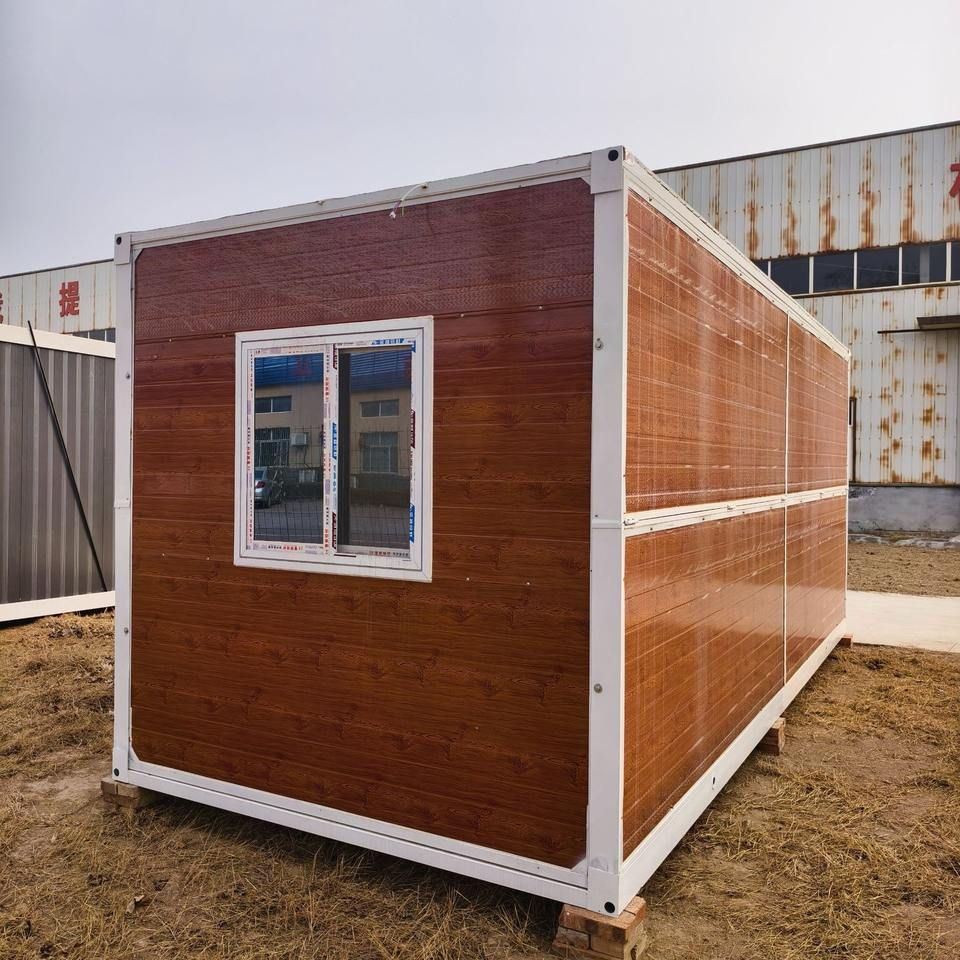
I. Types of Prefabricated Panel Houses to be Prioritized for Removal
According to the policy, starting from 2025, the following three types of prefabricated panel houses will be prioritized for removal:
- Dangerous houses with damaged main structures: These houses need to be identified as Class D dangerous houses by professional institutions, with specific criteria including foundation settlement exceeding 5 centimeters, crack widths in load-bearing walls greater than 1 millimeter, and seismic resistance levels less than 70% of the current standards. Due to the extremely high structural safety risks, these houses must be demolished and rebuilt.
- Houses that are difficult to withstand natural disasters: If a house's seismic resistance is less than 70% of the current standards or if it poses serious safety hazards during floods (such as being in low-lying areas or having ineffective drainage systems), it will be included in the removal scope to reduce the threat of natural disasters to residents' lives and property.
- Houses affecting urban planning: Residential buildings located within the planning scope of major infrastructure projects such as subways and elevated bridges will be prioritized for removal to facilitate land腾退 (requisition) and support urban development needs due to planning adjustments.
II. Compensation Plans after Removal
The government provides four compensation methods for residents whose houses are demolished, and residents can choose according to their needs:
- Monetary compensation: The compensation amount shall be no less than 110% of the market price of surrounding commercial housing to ensure that residents have sufficient funds to purchase new houses.
- Property rights exchange: New houses are exchanged at a ratio of 1:1.1 or higher. If the per capita living area is less than 30 square meters, it will be supplemented to the guaranteed minimum area to ensure basic living needs.
- Housing voucher resettlement: By issuing housing vouchers, residents can choose resettlement houses from designated housing sources, increasing flexibility in selection.
- Other policy-based resettlement: Additional compensation methods combined with local realities, such as providing temporary transitional housing or rental subsidies.
III. Handling Methods for Houses Not Prioritized for Removal
If a house is not included in the priority removal scope but has issues such as structural aging and fire hazards, its safety can be improved through repair and renovation, with specific measures including reinforcing walls, updating aging pipelines, and improving fire protection facilities. Such renovations need to be implemented after evaluation by professional institutions to ensure compliance with safety standards.



