How to Pump Out Sewage from Mobile Toilets
The sewage pumping from mobile toilets mainly relies on professional cleaning teams using sewage suction trucks. They connect dedicated pipes to thoroughly pump out the sewage and solid waste inside the toilet tanks. The specific process and key equipment are as follows:
The core equipment for sewage pumping operations is the sewage suction truck, with its key component being the vacuum pump, which typically generates a negative pressure of over 0.08 MPa. This pressure level is sufficient to overcome the viscous resistance of sewage and solid waste, ensuring an efficient and thorough pumping process. For example, when the mixture of feces, toilet paper, and other substances accumulated in the mobile toilet tank becomes viscous due to long-term neglect, the strong negative pressure of the vacuum pump can directly suck it into the tank of the sewage suction truck, leaving no residue. The tank is equipped with an anti-wave plate structure inside, which effectively suppresses liquid sloshing during transportation, preventing sewage overflow caused by sudden braking or bumps, and ensuring transportation safety.
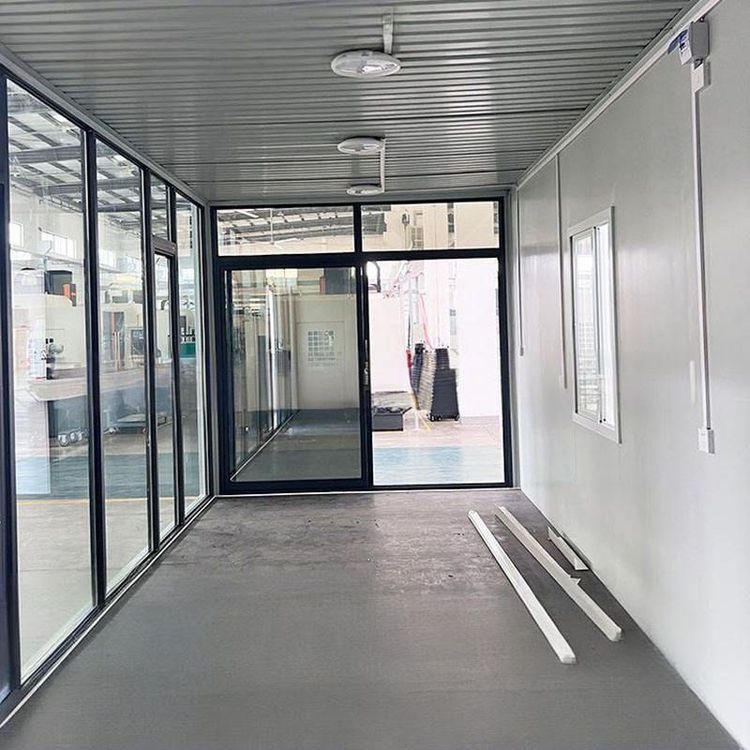
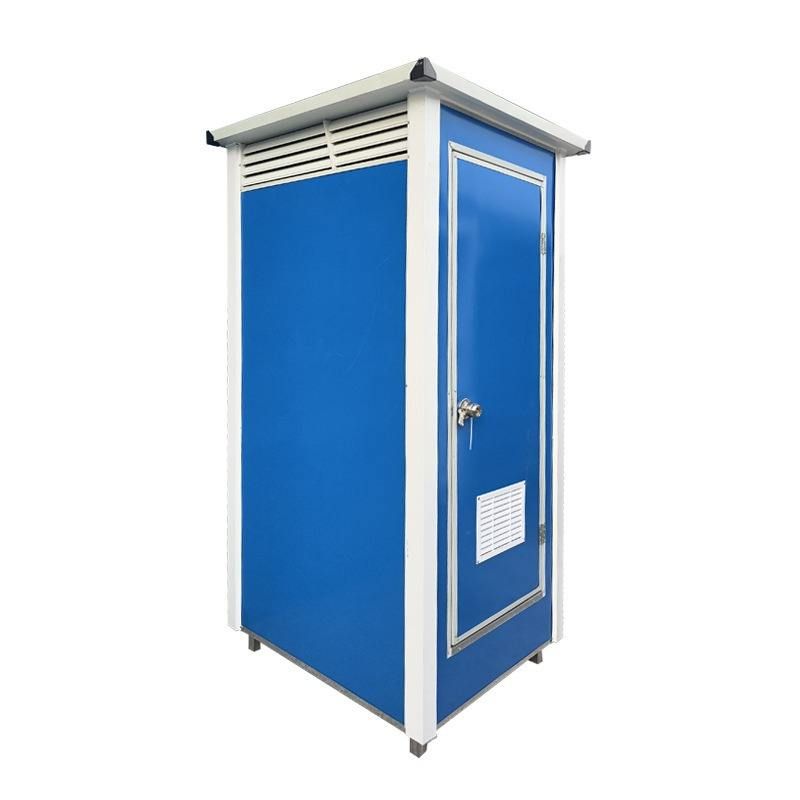
For different models of mobile toilets, the cleaning team adjusts the operation method accordingly. For standalone mobile toilets, a shorter suction pipe (e.g., 2-3 meters) is usually used in conjunction with a quick-connect fitting to directly connect to the sewage outlet at the bottom of the toilet. For trailer-mounted or container-type mobile toilets, which are larger in size, a suction pipe of over 5 meters may be required, or even pumping through reserved inspection ports. During operation, the manual gate valve is a key tool for controlling the pumping flow rate. When there is a large amount of waste in the tank, the gate valve can be opened wider to accelerate pumping; when approaching the empty state, the gate valve needs to be narrowed to prevent a large amount of air from entering and causing a drop in negative pressure. For example, when cleaning a standard 6-cubic-meter mobile toilet tank, the team first opens the exhaust valve on the top of the toilet, then connects the pipe of the sewage suction truck, and adjusts the gate valve to maintain a pumping speed of 0.5-1 cubic meters per minute, ensuring uniform pumping of waste.
The entire sewage pumping process must strictly follow operational procedures: Before cleaning, it is necessary to confirm that the power supply of the mobile toilet has been cut off to prevent circuit faults caused by the operation of the vacuum pump; after pumping is completed, the inner walls of the toilet tank must be rinsed with clean water to prevent residual waste from corroding the equipment; finally, the tightness of the sewage outlet must be checked to ensure there is no risk of leakage. These steps collectively ensure the long-term normal use of mobile toilets.