
How to Prefabricate Prefab Houses Well
To prefabricate prefab houses effectively, it is necessary to systematically control aspects such as modular design, component production, precision control, parallel operations and environmental protection, as well as transportation and assembly.
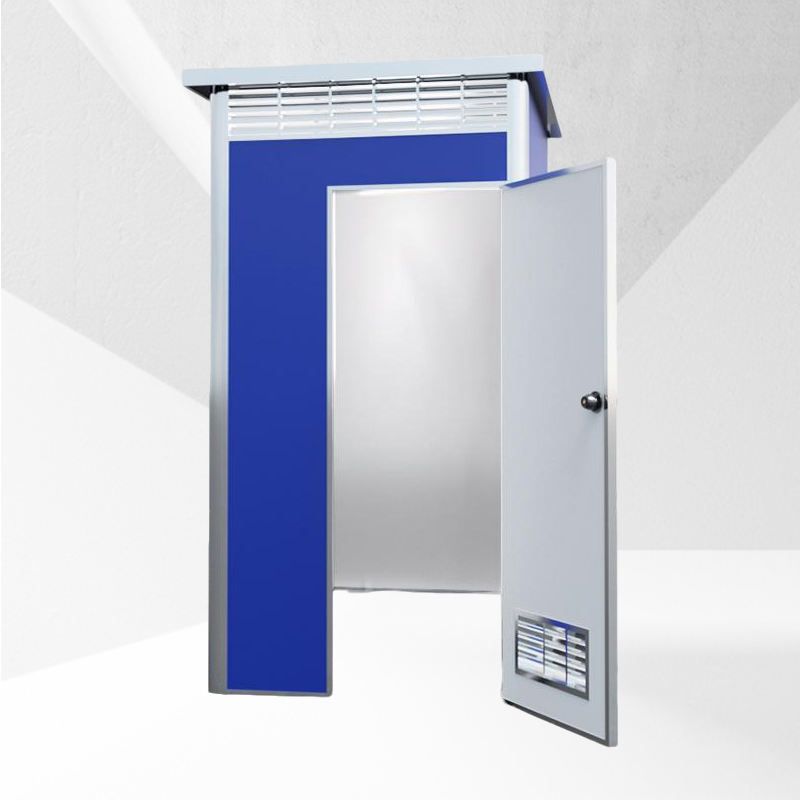
Modular prefabrication is the foundation. The entire building is disassembled into independent modules, such as ceilings, walls, and bathroom waterproof layers, which are manufactured on factory assembly lines with embedded internal facilities like water and electricity pipelines. This design approach makes each module functionally independent, facilitating standardized production. It also allows for early identification of pipeline layout issues, avoiding repeated modifications during on-site construction and improving overall efficiency.
Component production must be standardized. Hollow molds are used to create prefabricated panels, with steel bars arranged inside before concrete is poured. After drying, the molds are removed to form components such as floor slabs, walls, and beams. Some components require pre-drilled holes for subsequent lifting and assembly. During production, strict control must be exercised over the concrete mix ratio, steel bar specifications, and pouring process to ensure that the strength and durability of the components meet design requirements.
Precision control is crucial. Factories utilize highly automated equipment to produce components with millimeter-level accuracy in dimensions. Each component is accompanied by detailed identification, including project name, model number, and production date, facilitating rapid on-site identification and assembly. High-precision components reduce on-site adjustment time, enhance assembly efficiency, and ensure the stability and airtightness of the overall house structure.
Parallel operations and environmental protection measures must be implemented. Multiple processes can be carried out in parallel within the factory, such as wall production and final assembly occurring simultaneously, significantly shortening the construction period. Additionally, the prefabrication process reduces on-site dust, noise, and construction waste, meeting green environmental protection requirements. By optimizing production processes and using eco-friendly materials, energy consumption and carbon emissions can be further reduced.
Transportation and on-site assembly must be efficient. After being transported to the construction site, prefabricated components are quickly assembled using equipment such as cranes. Techniques such as mortise-and-tenon joints, nut fixation, and foam sealant filling of gaps are employed to ensure stability. Before assembly, the integrity of the components must be checked. During assembly, strict adherence to the design drawings is essential to ensure that all modules are firmly connected, avoiding potential safety hazards in the future.


