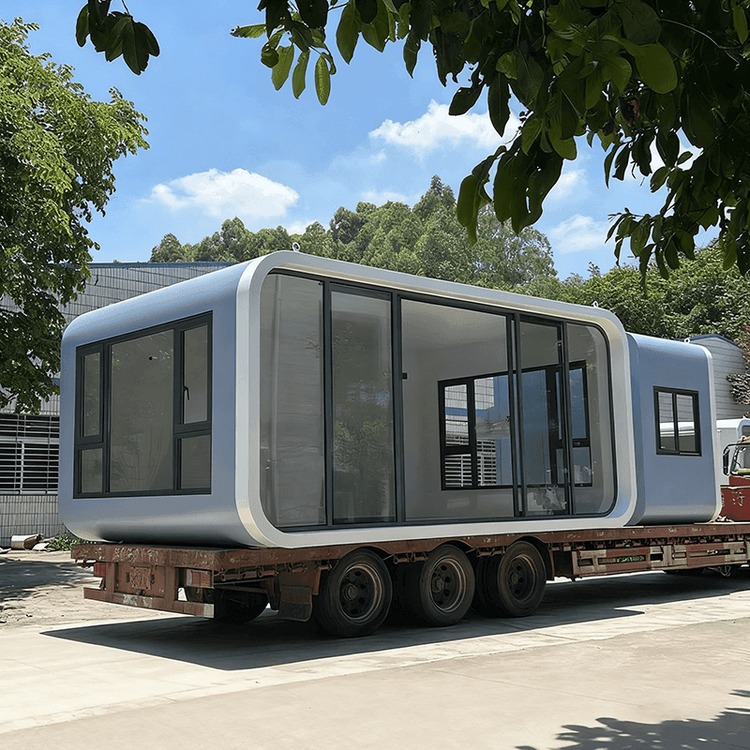
How to Power a Container House
Powering a container house mainly relies on embedding electrical systems during manufacturing and connecting to an external power source. The powering process involves three core stages: design, installation, and usage, as detailed below:

1. Factory-Embedded Electrical Systems
During the manufacturing stage in the factory, the basic electrical system of the container house is embedded. The core processes include welding the steel structure frame, prefabricating the wall and roof panels, and then pre-installing systems such as doors, windows, electrical systems, and plumbing. Electrical conduits are typically embedded within walls or floors using concealed wiring methods to avoid structural damage caused by on-site wiring. Some manufacturers pre-install basic equipment such as air conditioning sockets (with wire cross-sectional areas of up to 4mm² to meet air conditioning power requirements) and exhaust fans, allowing users to simply connect to an external power source for use.
2. On-Site Installation and Power Connection
- Basic Requirements: Before installation, ensure the ground is level and elevated above the surrounding area to prevent rainwater flooding. If using municipal power, plan cable routing in advance and reserve connection points; if using generators or solar systems, configure the corresponding equipment.
- Assembly Steps: Modular container houses are assembled through lifting and joining. During assembly, ensure electrical interfaces are aligned and securely connected. For example, air conditioning sockets and lighting circuits require specialized connectors to enable power transmission between containers.
- Safety Measures: In areas prone to thunderstorms, install lightning rods; for long-term residency, it is recommended to add leakage protection devices and grounding systems to enhance electrical safety.
3. Power Supply Solutions for Special Scenarios
- Solar Power: Some container houses integrate solar photovoltaic panels, converting direct current to alternating current through inverters for indoor lighting and appliance use. Solar water heaters can provide hot water, and when combined with sewage treatment systems, they enable water resource recycling.
- Mobile Power Support: For temporary uses (such as construction site dormitories or emergency housing), mobile generators or energy storage batteries can serve as backup power sources to ensure basic power needs during outages.
4. Usage Precautions
- Load Management: Avoid using high-power appliances (such as air conditioners and electric water heaters) simultaneously to prevent circuit overload.
- Regular Inspections: Periodically check electrical interfaces and wiring for aging, especially focusing on connections and insulation performance in humid environments.
- Compliance: Ensure the electrical system complies with local building codes, such as wire specifications and grounding resistance parameters.