Back to blog
Article
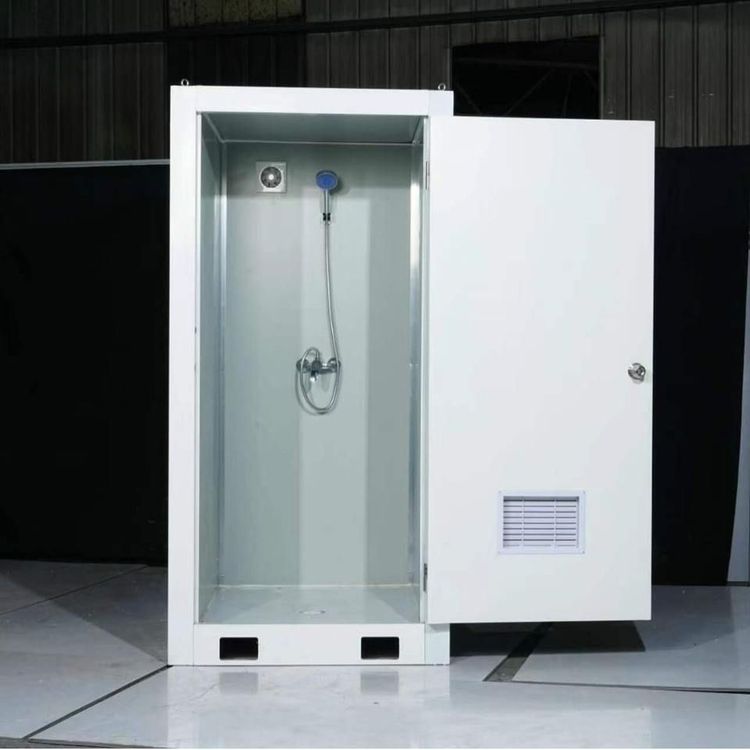
How to Organize Mobile Public Toilets
Admin October 13, 2026
The organization of mobile public toilets requires a combination of daily cleaning, regular maintenance, special situation handling, and can also refer to the eight-step cleaning method, as detailed below:

I. Daily Cleaning
Perform basic cleaning after daily use to ensure hygiene standards are met.
- External Cleaning: Wipe the external surfaces of the toilet with a damp cloth to remove dust; for stubborn stains, use a mild detergent to scrub and then rinse with clean water.
- Internal Floor Treatment: First, sweep up floor debris, then use a mop soaked in detergent to focus on cleaning corners, around the toilet, and other easily soiled areas to prevent stain residue.
- Toilet Cleaning: Pour a specialized toilet cleaner into the toilet bowl and use a brush to carefully scrub the edges, drain, and other detailed areas to prevent the buildup of urine scale.
- Sink Maintenance: Use a detergent to wipe the sink and faucet, removing water spots and stains, and keep the countertop dry and clean.
II. Regular Maintenance
Conduct in-depth maintenance weekly or regularly based on usage frequency.
- Facility Inspection: Check if door locks, ventilation fans, lighting equipment, etc., are functioning properly; repair or replace any damaged items promptly to ensure normal operation.
- Consumable Replenishment: Regularly replenish consumables such as toilet paper and hand soap to avoid shortages that affect the user experience.
- Waste Disposal: Extract and dispose of waste according to the local sanitation department's specified time and method to prevent overflow and odor buildup, maintaining a clean toilet environment.
III. Special Situation Handling
During periods of high infectious disease prevalence or when special hygiene requirements are in place, strengthen disinfection and odor control.
- Comprehensive Disinfection: Use a disinfectant to thoroughly spray and wipe all parts of the toilet, both inside and out, focusing on disinfecting high-contact areas such as door handles and faucets.
- Odor Management: Place deodorizers and air fresheners daily, and combine with window ventilation or the operation of ventilation equipment to reduce odors and keep the air fresh.
IV. Eight-Step Cleaning Method (Optional Reference)
For a more systematic cleaning process, refer to the following steps:
- Remove: Use a broom to clear dust and cobwebs from the ceiling, walls, window screens, and lighting fixtures.
- Wipe: Use a cloth to wipe down doors, windows, sinks, partition boards, and other easily accessible areas.
- Scrub: Use a brush to thoroughly scrub the scale inside squat toilets, sit-down toilets, and urinals.
- Clear: Sweep up garbage from both inside and outside areas, and promptly empty trash bins.
- Mop: Use a mop to remove standing water from the floor, keeping the interior dry and tidy.
- Inspect: Check if faucets, sensor devices, clothing hooks, and other facilities are intact; report any damage for repair promptly.
- Disinfect: Spray disinfectant on door handles, faucets, etc., at least three times a day, and turn on deodorizing equipment.
- Store: Store cleaning supplies in the tool room to ensure the toilet is free of clutter.
Related