
Back to blog
Article
How to Open a Store in a Container House
Admin September 15, 2026
Opening a store in a container house requires careful consideration of supplier selection, site planning, procedure handling, interior decoration, and operational preparations.
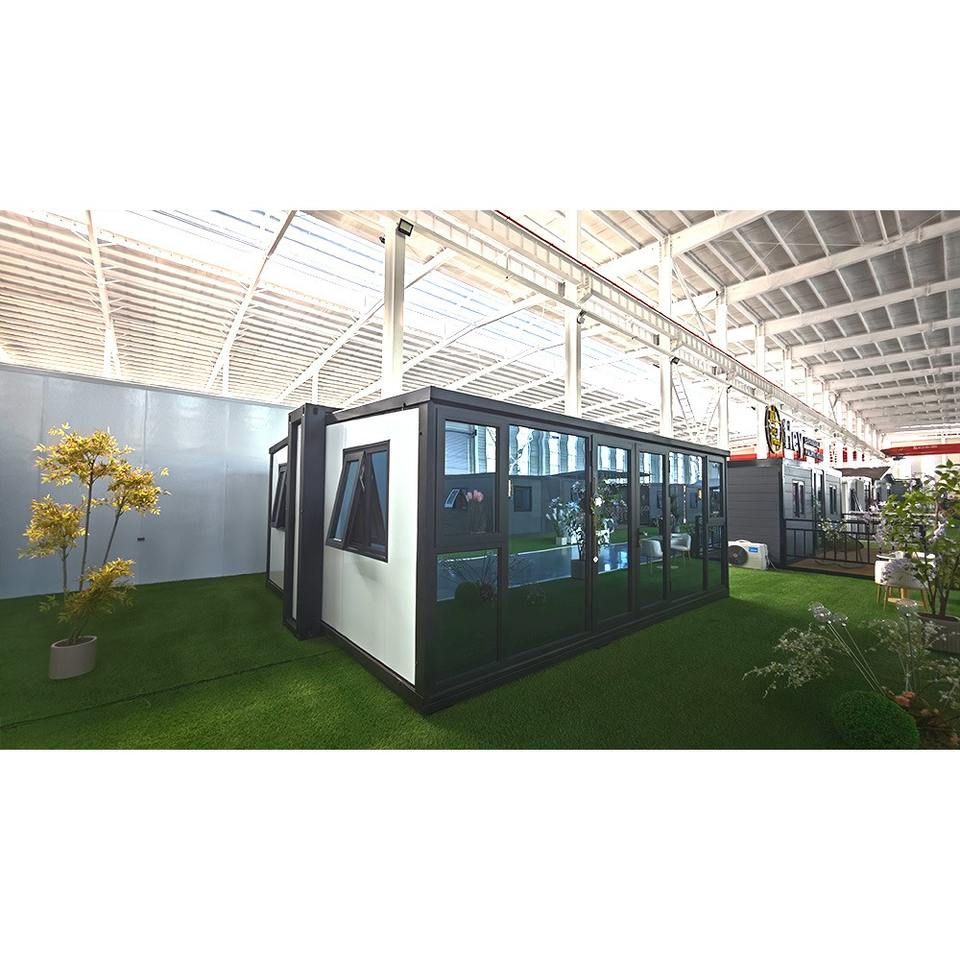
Supplier Selection
- Evaluate Delivery Capability: When choosing a supplier, don't just focus on the single quote. Instead, consider the delivery stability and standardized manufacturing level of the partner. Suppliers with mature prefabrication plans only need to perform lifting, splicing, and pipeline connections on-site, which can shorten the cycle from contract signing to opening and are suitable for short-term trial-and-error projects.
- Focus on Customization Capability: Suppliers suitable for opening stores should have experience in store renovations. They should be able to handle commercial needs such as cashier areas, sales windows, shelf reservations, catering exhaust, facade displays, and indoor traffic flow, rather than just delivering blank containers.
- Consider Environmental Adaptability: The site where the store is located may not always be a flat and hardened open space. Suppliers need to have structural performance and environmental adaptability to ensure that the container house can be used stably in different locations.
Site Planning
- Determine Location: Choose locations with high foot traffic and strong consumer purchasing power based on the target customer group, such as commercial districts and scenic spots. If placing it in a mall square, consult the mall operator about requirements and regulations in advance.
- Consider Space Utilization: Plan the openings of the container house reasonably, such as setting up folding windows, and decide whether the windows will be used for ordering or picking up food based on business needs. At the same time, plan the indoor and outdoor spaces well, such as setting up inner courtyards and patios, to meet the needs of different customers.
Procedure Handling
- Consult with the Mall or Property Management: Understand their requirements and regulations for tenants, such as store area, decoration standards, and rental prices.
- Apply for Approval Procedures: Apply for building-related approval procedures from the local urban planning department; conduct environmental protection approvals from the environmental protection department; apply for construction-related procedures from the construction management department; and register with the industrial and commercial management department to obtain business licenses and other qualification documents.
Interior Decoration and Operational Preparations
- Complete Basic Decoration: Align with business needs and arrange the placement of coffee equipment, water supply and drainage, and furniture positions.
- Prepare Operational Supplies: Prepare supplies such as goods, shelves, and cashier equipment according to the business format.
- Formulate Marketing Strategies: Use online platforms such as social media for promotion to expand brand awareness and attract more customers.
Related



