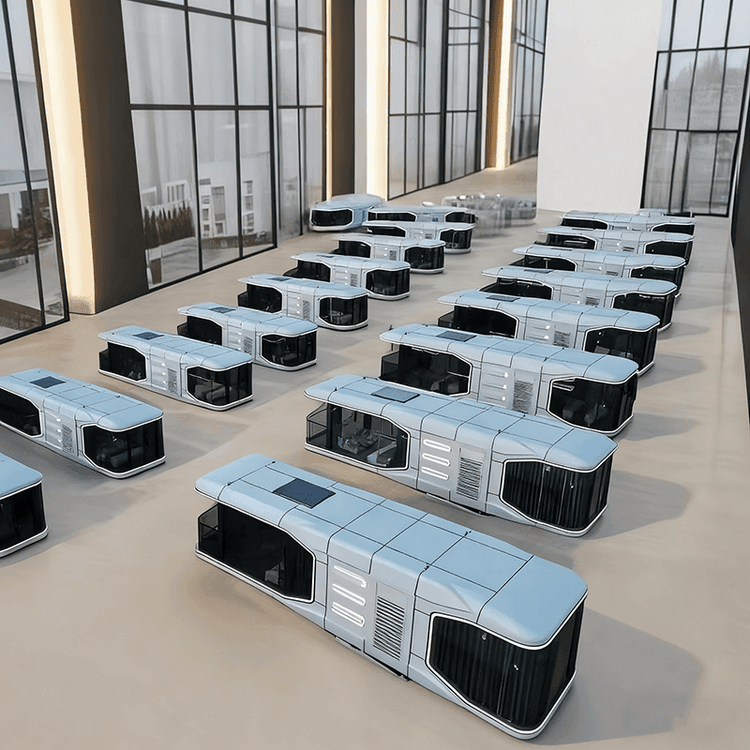
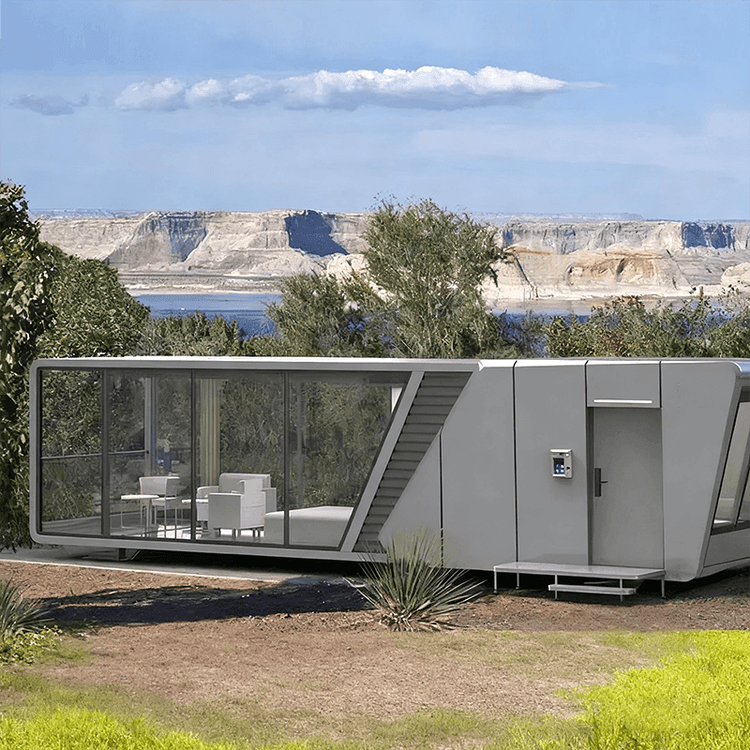
How to Negotiate Container House Orders
Negotiating container house orders requires focusing on customer needs, pricing strategies, product advantages, and service guarantees, while communicating flexibly based on industry characteristics.

I. Clarify Customer Needs and Budget
The price of container houses is significantly influenced by materials (e.g., ordinary steel, light steel), design complexity (standardized or high-end customization), construction techniques, and geographical location. For example, basic refurbished residential models cost under RMB 10,000, while premium refurbished models require face-to-face negotiation; bulk purchases (≥10 units) require price negotiation with the manufacturer. When negotiating, first understand the customer's purpose (e.g., construction site accommodation, commercial offices, cultural tourism scenarios), scale (single unit or multi-unit combinations), and budget range to provide a plan that fits their financial capacity. If the customer is price-sensitive, emphasize long-term usage costs (e.g., maintenance expenses, turnover efficiency) or the added value of customization.
II. Highlight Core Product Advantages
- Structural Safety and Durability: Emphasize the load-bearing capacity of the steel frame (e.g., thickness of main beam steel, welding techniques), corrosion resistance (galvanized or painted finishes), and wind/earthquake resistance, especially for regions with complex climates like Hubei, explaining waterproofing, fireproofing, and sound insulation designs.
- Modular Expansion Capability: If the customer requires double-story or side-by-side configurations, confirm whether the manufacturer has multi-story frame connection technology and waterproof joint handling capabilities to avoid stability issues after assembly.
- Flexibility and Environmental Sustainability: Container houses can be quickly assembled, disassembled, and relocated, making them suitable for projects with tight deadlines; some products integrate solar power and sewage treatment systems, aligning with green building trends.
III. Develop Differentiated Pricing Strategies
Refer to industry pricing logic and avoid direct low-price competition by borrowing negotiation tactics from home improvement:
- Quality-Price-Service Balance: Emphasize that “no company can offer the highest quality at the lowest price,” guiding customers to focus on long-term benefits (e.g., lifespan, safety).
- Tiered Pricing: Offer basic models (e.g., fixed container houses starting at RMB 5,980) and premium models (e.g., glass curtain wall packing units starting at RMB 16,000) to meet different budget needs.
- Bulk Discounts: For bulk purchases like construction sites, clearly state discount policies for “≥10 units” to encourage large orders.
IV. Strengthen Service and After-Sales Guarantees
- Localized Support: Prioritize recommending local Hubei manufacturers (e.g., Wuhan Jinxiang Light Steel Housing Co., Ltd.) to shorten transportation time and facilitate after-sales maintenance and emergency response.
- Compliance Guarantees: Remind customers to understand local regulations (e.g., temporary building planning permits, fire safety ratings) to avoid losses from illegal construction.
- Transaction Guarantees: Sign contracts specifying after-sales responsibilities (e.g., warranty period, repair response time) and provide inspection reports (e.g., IICL standards, ISO certifications) to enhance customer trust.
V. Techniques for Handling Customer Objections
If the customer questions the price, use a home improvement analogy: “Would you sacrifice quality, service, or long-term comfort?”; if the customer hesitates, provide success stories (e.g., cultural tourism attractions, biotech park projects) or arrange visits to ongoing construction sites to visually demonstrate product effectiveness.