
How to Nail Container Houses
Nailing in container houses requires selecting appropriate tools and methods according to different scenarios and structural characteristics, and strictly following safety regulations.
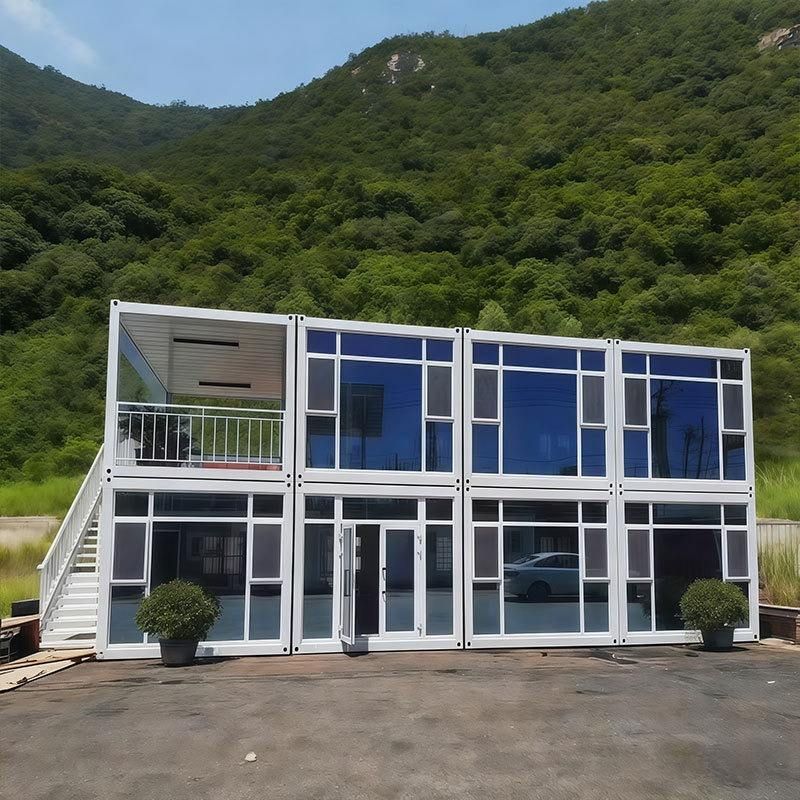
1. Nailing on Regular Panels
If regular panels (such as magnesium oxide boards, wooden floors, etc.) are used for the walls and floors of container houses, conventional tools can be used for nailing. For example, when laying the floor, mark the mid - line of the π - shaped beam first. After snapping a chalk line along the mark, use cross - flat - head dovetail screws to fix the floor, with a nailing interval controlled between 300 - 350mm. For such operations, ensure that the length of the nails matches the thickness of the panels to avoid nailing through the panels or having an insecure fixation.
2. High - Altitude Nailing Techniques
If nailing is required at high places in container houses (such as installing top decorative parts or connectors), auxiliary tools can be used to reduce risks. For example, use the small hole in the middle of a cardboard box. Slowly insert the nail through the gap, adjust it to the required height, and then fix the cardboard box. Complete the nailing by holding the cardboard box. This method can avoid directly holding the nail for operation and reduce the risk of hitting the hand, especially suitable for simple home maintenance scenarios.
3. Nailing for Steel Structure Connections
The core structure of container houses is a steel structure frame (such as main beams and columns welded from section steels). Professional tools are required for its connections. For example, a pneumatic coil nail gun can drive a striker through compressed air to quickly complete the connection of wooden or light - steel structures. This equipment is suitable for scenarios such as container pallets and wooden structures of houses, but the working air pressure must be strictly controlled (0.49 - 0.83 MPa) to avoid dry firing or nail jamming due to excessive air pressure. In addition, the welded parts of the steel structure (such as channel steels and square tubes) are usually fixed with bolts or rivets rather than directly nailed.
4. Safety Precautions
- Avoid Damaging Electrical Circuits: The ceilings and walls of container houses may have electrical circuits buried inside. It is strictly forbidden to drill holes or nail randomly. If modification is required, contact the manufacturer to confirm the location of the circuits.
- Structural Protection: Non - professionals are not allowed to dismantle connectors, decorative parts, or bolts without authorization to avoid affecting the stability of the house.
- Tool Selection: Select appropriate nails (such as self - tapping screws, drill - tail screws, dovetail screws) and tools (such as screwdrivers, pneumatic guns) according to the material type (such as wood, steel, composite boards).



