
Back to blog
Article
How to Move a Bungalow Portable Toilet
Admin September 21, 2026
The movement of a bungalow portable toilet primarily relies on modular design, integrated mobile devices, and rapid deployment systems, enabling flexible transfer through wheeled chassis and lifting/forklift interfaces. Specific operations must follow standardized procedures and avoid high-risk actions.
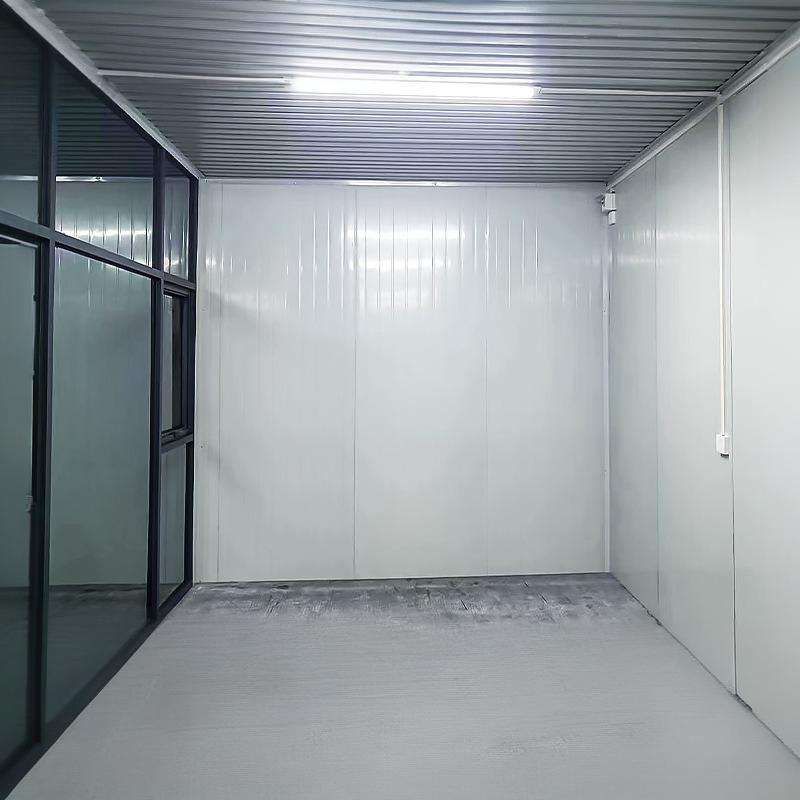
1. Mobile Devices and Chassis Design
- Wheeled Chassis:
Standard models are equipped with heavy-duty swivel or fixed wheels, with wheel diameters ranging from 200-400mm. Made of polyurethane or rubber, each wheel can bear a load of 300-500 kilograms, suitable for hardened pavements, concrete floors, or flat grassy areas. When moving manually, ensure the front wheels turn freely and the rear wheels are locked to prevent side slipping; some high-end models come with towing hooks, allowing short-distance towing by small forklifts, tractors, or pickup trucks. - Lifting and Forklift Interfaces:
The product is designed with forklift slots (opening dimensions 140-200mm high) or lifting rings, supporting long-distance and cross-site transfers. For example, a 15-ton forklift can transport a standard-sized (1.2m×1.2m×2.3m) portable toilet. When lifting, confirm the load-bearing capacity of the lifting rings to avoid structural deformation due to overloading.
2. Operating Procedures and Precautions
- Site Inspection:
Before moving, clear obstacles (such as gravel or pipes) from the path and ensure the ground bearing capacity is ≥5 tons per square meter. For soft soil or loose sandy areas, lay steel plates or perform hardening treatment to prevent wheel sinking. - Moving Operations:
- Manual wheeled movement: Push at a low speed (≤5km/h), avoiding sharp turns or bumps.
- Forklift handling: Fully insert the forklift tines into the slots, lift slowly (≤0.3m/s) after stabilizing the center of gravity, and keep the box level.
- Fixing and Commissioning:
Upon reaching the new location, use a level to adjust the anchor bolts to make the box level. Connect the sewage pipe, water inlet pipe, and power supply (if any), check the tightness, and perform a water test. Observe for 2-3 minutes during the water test to confirm no leakage before putting it into use.
3. High-Risk Misoperation Warnings
- Failure to Inspect Ground Conditions:
Forcing the movement of a wheeled toilet on soft soil or loose sandy areas may cause wheel sinking, chassis damage, or even tipping over. - Failure to Lock Wheels:
If the fixed wheels are not locked when moving on a slope, the toilet may slide uncontrollably, causing injury to personnel or damage to the equipment. - Overloading During Lifting/Forklift Handling:
Exceeding the rated load capacity of the lifting rings or forklift can easily lead to structural fractures or tipping accidents.
Related



