
How to Make a Container House
The production of container houses involves processes such as design, steel processing, wall and roof panel processing, pre-installation, and on-site assembly, involving key aspects such as material selection and process control.
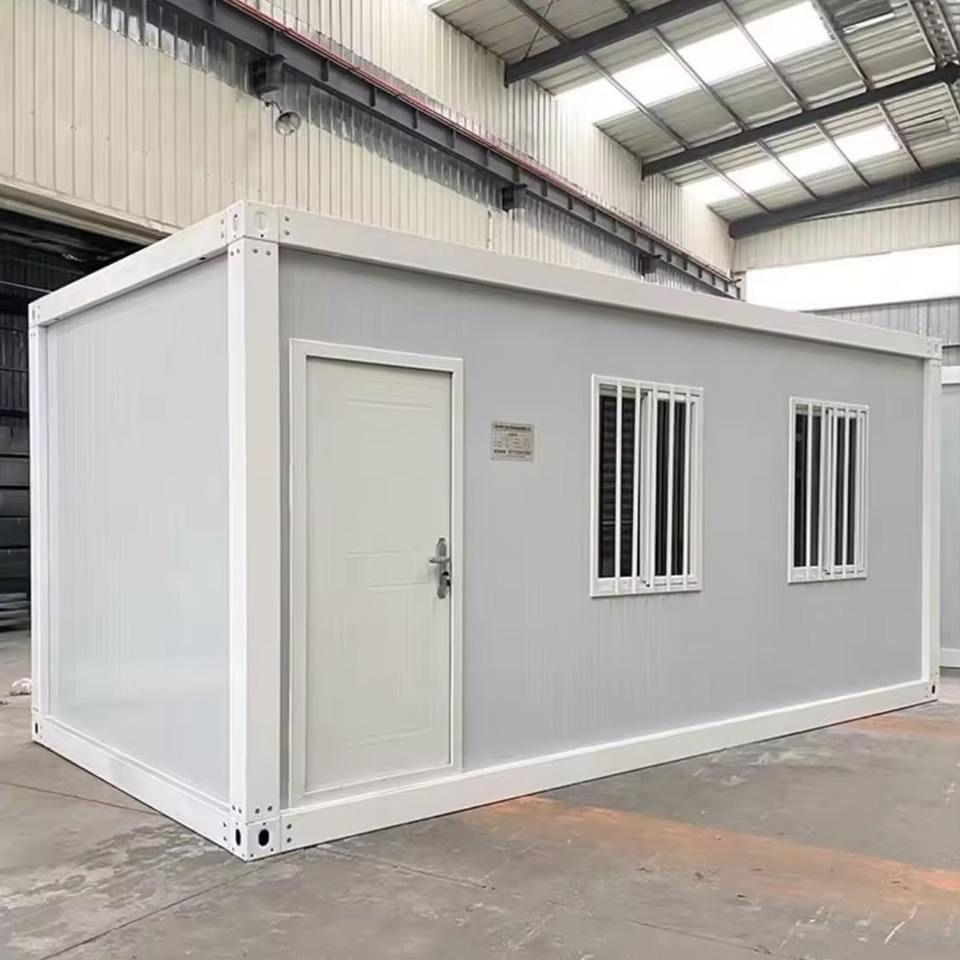
Design Phase: Based on user needs and usage scenarios, complete the structural design and detailed drawings of the container house, determining its dimensions, layout, and functional zoning. For example, for construction site dormitories, a packed box-type container house design may be adopted, using hot-dip galvanized cold-formed steel as the frame and paired with fire-resistant polyurethane sandwich panels; for self-built houses or homestays, a light steel keel house design may be more suitable, using cold-formed thin-walled light steel keels as the load-bearing structure, with insulation materials filled in the walls, and flexible customization of appearance and layout.
Steel Processing: Perform cutting, welding, and surface treatment of steel to form a steel structural frame. This is the core part of the container house, and its quality directly affects the stability and safety of the house. For example, the steel frame chassis is welded with channel steel around the perimeter, and the house columns and roof ring beams are fully welded with square steel. At the same time, attention should be paid to the rust and corrosion prevention treatment of the steel, such as using hot-dip galvanizing.
Wall and Roof Panel Processing: Perform composite processing on the wall and roof panels, filling them with insulation materials and covering them. Commonly used wall panel materials include rock wool, glass wool, or polyurethane sandwich panels, which have both heat insulation and fire prevention functions; roof panels can use the same materials as wall panels or choose other materials according to needs.
Pre-installation: Perform pre-installation of systems such as doors, windows, electrical, and plumbing to ensure the compatibility and functionality of each component. Before leaving the factory, most manufacturers will conduct a trial assembly to check if the components match correctly.
On-site Assembly: Transport the prefabricated components to the site for rapid assembly. The modules are lifted into place and spliced together through hoisting, significantly reducing on-site construction time. During assembly, attention should be paid to the firmness and tightness of the connections between components to ensure the overall stability and waterproof performance of the house.



