
Back to blog
Article
How to Make a Portable Toilet at Home
Admin October 08, 2026
Making a portable toilet at home can be achieved through the following steps, which require a combination of tool operations and basic material processing:
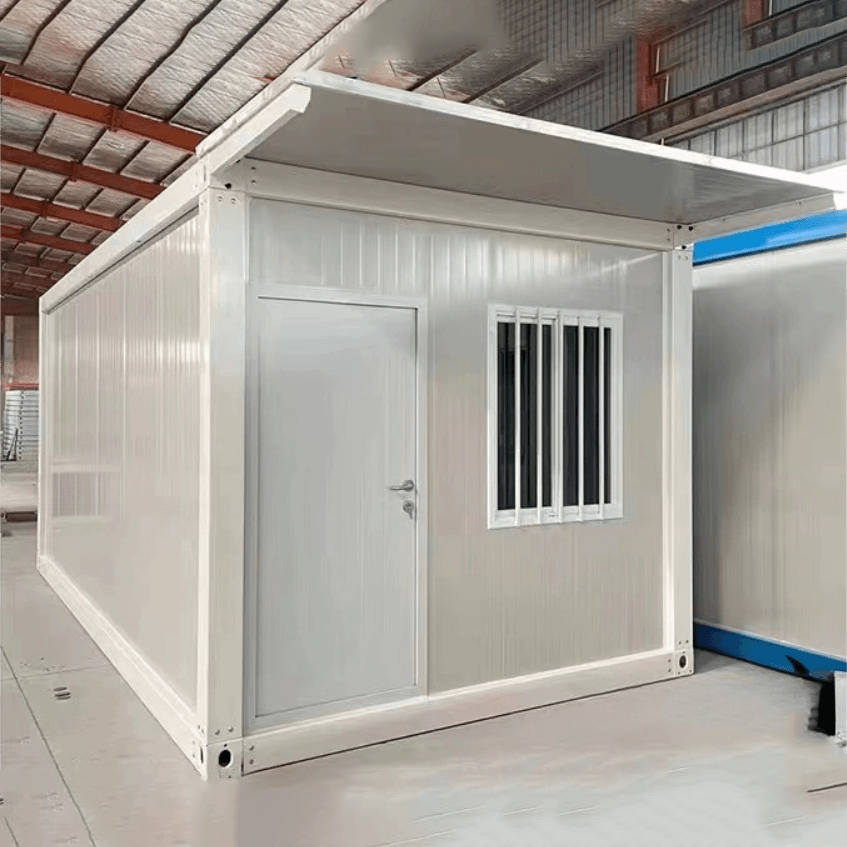
1. Base Structure Construction
- Main Body Selection: Prioritize using a water storage barrel or tank as the core structure. If using a water storage barrel, use an angle grinder to split it longitudinally in the middle, creating two semi-circular barrel bodies to serve as the bottom and top of the toilet; if choosing a water storage tank, it can be directly fixed to the bottom of a拖板 (trailer board) with universal wheels, enabling mobility through the wheels.
- Frame Construction: Fix wooden strips around the edge of the barrel body or trailer board, and reinforce them with self-tapping screws to increase the structural height (usually to a comfortable sitting height for adults). Create an entrance on the side of the wooden strips and install sponge strips as door frame seals to prevent odor leakage.
2. Wall and Roof Construction
- Wall Materials: Cut transparent or semi-transparent plastic soft panels and insert them into the gaps between the wooden strips to form detachable, height-increasing walls that ensure privacy and facilitate cleaning.
- Roof Design: Invert the upper half of the split water storage barrel onto the top of the wooden strips as the roof, or directly use the top of the water storage tank in combination with the trailer board to form a closed space. If ventilation is needed, create small holes in the roof and install exhaust fans (requiring an additional power source).
3. Functional System Installation
- Drainage System: Drill a hole in the center of the barrel bottom and install a drain pipe to form a floor drain structure; drill a hole on the side and connect a PVC direct joint for connecting to an external sewage pipe. Place a toilet (optional: a simple toilet seat or directly use the barrel body) above the drain outlet and seal the gaps with glass glue to prevent leakage.
- Water Supply System: Place a plastic bucket on the roof as a water storage device, connect it to a three-way valve via a water pipe, with one route extending to a showerhead for flushing and the other connecting to the water inlet pipe of a simple sink at the entrance. If hot water is needed, a small electric heater can be installed (note electrical safety).
- Solar Components (Optional): Refer to existing designs and install solar panels on the roof to power exhaust fans or lighting equipment, enhancing environmental friendliness.
4. Detail Optimization
- Door Construction: Use foam strips to拼接 (join) discarded honeycomb wooden boards to make a lightweight and odor-blocking simple door, and install hinges for opening and closing functionality.
- Appearance Treatment: Paint the wooden strips with white waterproof paint to enhance aesthetics and extend their service life.
Precautions:
- Wear protective equipment such as goggles and gloves before operating to avoid injury from splashes when using an angle grinder.
- If lacking experience in tool operations, it is advisable to learn key steps such as cutting and fixing through complete tutorials or video demonstrations.
- Regularly clean the sewage bucket of the portable toilet and check the integrity of the drain pipes and seals to prevent odor diffusion.
Related



