
Back to blog
Article
How to Make a Container House
Admin September 15, 2026
The production of a container house involves multiple stages, including design, material preparation, structural construction, wall and roof installation, interior decoration, and detail handling.
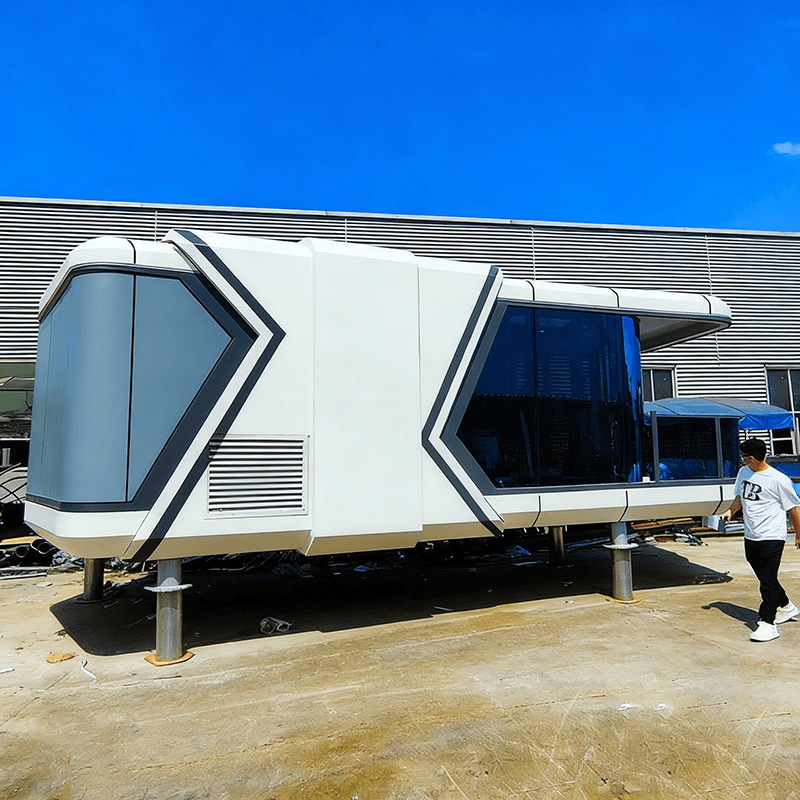
I. Design Phase
- Determine the house specifications, layout, and functional areas based on usage requirements, and draw detailed structural and detailed drawings.
- Consider the combination method of containers, such as using a single container or multiple containers spliced together, to meet different spatial needs.
II. Material Preparation
- Structural Steel: Choose hot-dip galvanized cold-formed steel, which has good rust and corrosion resistance, ensuring the stability of the house structure.
- Wall and Roof Panels: Commonly used rock wool, glass wool, or polyurethane sandwich panels, which provide both thermal insulation and fire resistance.
- Flooring Materials: Cement fiberboard or steel-wood composite flooring, offering load-bearing capacity and comfort.
- Other Materials: Include embedded parts for doors, windows, electrical, and plumbing systems, as well as auxiliary materials such as connecting bolts and welding rods.
III. Structural Construction
- Chassis Fabrication: Weld a chassis frame using channel steel or square steel to ensure even load distribution.
- Column and Ring Beam Installation: Fully weld the columns to the ring beams on all four sides of the roof to form a stable steel structure frame.
- Lifting and Splicing: For multi-container houses, use a crane to lift the containers to the designated positions and splice them together using bolts or welding.
IV. Wall and Roof Installation
- Install the prefabricated wall and roof panels onto the steel structure frame, ensuring tight connections without gaps.
- Perform waterproofing treatment, such as applying waterproof coatings or installing waterproof membranes, to prevent rainwater leakage.
V. Interior Decoration and Detail Handling
- Install lighting, switches, sockets, and other electrical systems, and reserve holes for air conditioners.
- Lay floor decoration materials, such as floor leather or carpets, to enhance living comfort.
- Install security grilles on doors and windows to ensure living safety.
- Conduct a thorough cleaning and inspection of the house to ensure no omissions or defects.
Related



