How to Maintain Privacy in Mobile Toilets
Maintaining privacy in mobile toilets can be achieved through various aspects such as materials, structure, ventilation, external shielding, construction acceptance, daily maintenance, and user guidance. Details are as follows:

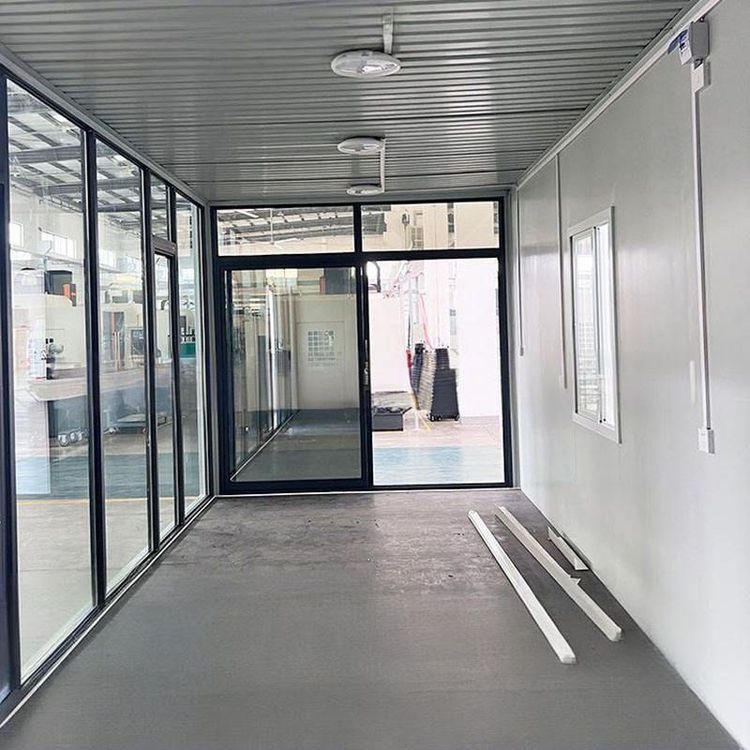
Material Selection: Prioritize the use of one-way perspective glass, frosted/fogged glass, or metal panels to ensure that the interior cannot be seen from the outside. If transparent materials are used, adjustable sunshades or films must be provided, and the films should undergo privacy-level testing before installation. Metal panels should be seamlessly joined to prevent any line of sight penetration.
Structural Design: There should be no gaps between the door panels and walls, with door gaps controlled within 5mm. Door locks should be equipped with an 'occupied/unoccupied' indicator function. If observation windows are required by accessibility standards, electrochromic glass or blinds should be used, allowing transparency mode to be activated externally only in emergencies. The position of the toilet inside should be away from doors and windows, avoiding direct alignment with the opening direction, and a partition design of at least 1.8 meters in height should be adopted to effectively block the line of sight.
Ventilation Design: Use top ventilation windows or side louvers, with the louver angle designed to tilt upwards at 45 degrees to ensure air circulation while blocking the line of sight. Exhaust fans should be installed in the ceiling, with privacy shields added to the air outlets. The position of ventilation openings should be reasonably set to avoid directly facing users.
External Shielding: Set up greenery or other shielding objects around the toilet, such as planting tall shrubs or trees, or installing screens, to further block the line of sight from the outside and enhance privacy protection.
Construction Acceptance: Before installation, conduct on-site perspective testing on glass materials to confirm that there is no possibility of透视 (here it means 'seeing through', you may replace it with a more native English expression like 'visibility'). Require privacy-level testing reports for film products. After installation, random checks should be conducted by non-construction personnel, simulating the perspective of ordinary visitors. Include 'privacy testing' in the acceptance checklist, and the toilet cannot be put into use if it fails the test.
Daily Maintenance: Establish a regular inspection system to check the sealing of doors and windows, the integrity of films, and the functionality of locks every month. Focus on inspecting high-frequency use areas, and promptly replace any scratched glass or bubbled films. Post complaint QR codes or service hotlines inside the toilet to encourage users to report privacy hazards promptly.
User Guidance: Remind users to pay attention to privacy through signage and publicity, such as posting signs like 'Please Maintain Privacy' and 'Respect Others' Privacy' inside the toilet, guiding users to consciously abide by privacy regulations.