
How to Keep Mobile Toilets Warm
The insulation of mobile toilets is achieved through optimized basic structures, pipe anti-freezing designs, active heating systems, and detailed configurations to ensure efficient thermal insulation and temperature maintenance. The specific measures are as follows:
1. Basic Insulation Structure
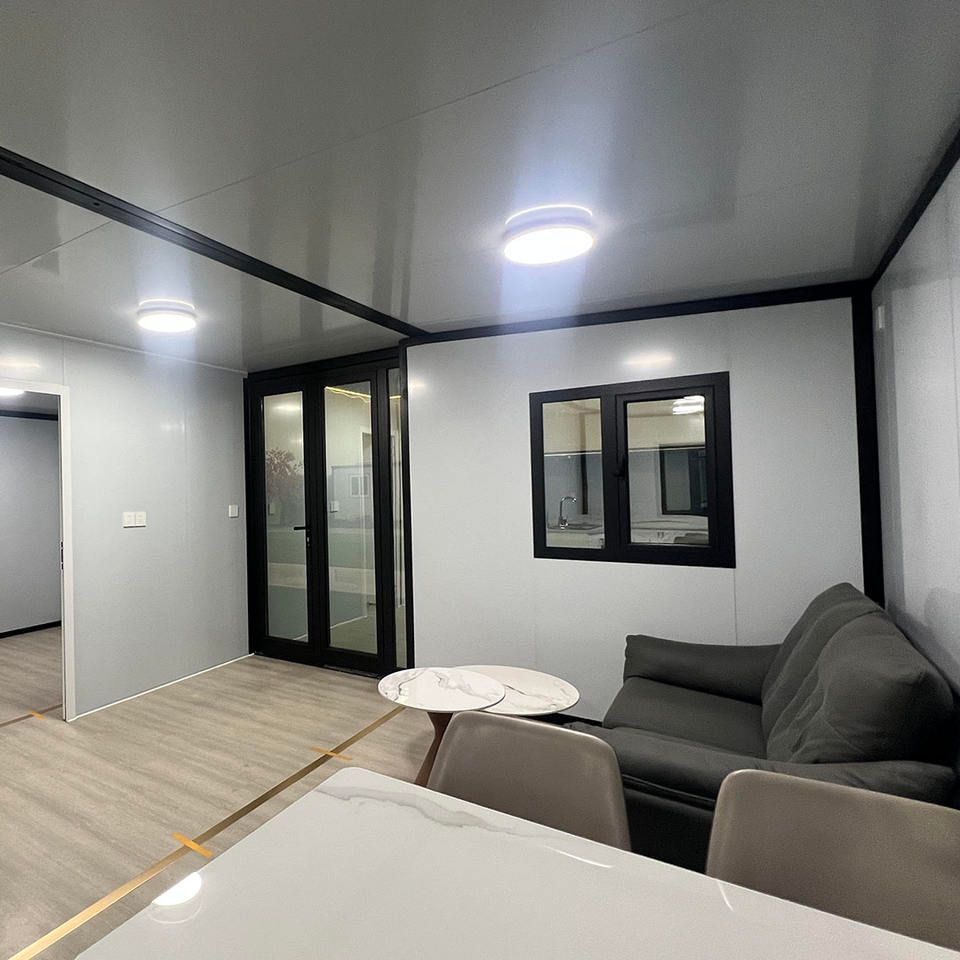
A double-layer wall design is adopted, with an outer layer of color-coated steel plate, an inner layer of fireproof board, and a 5cm-thick filling of polyurethane foam or rock wool in between. The thermal conductivity is as low as 0.024W/(m·K), improving insulation performance by three times compared to traditional materials. Windows and doors are equipped with EPDM rubber sealing strips, and ventilation openings are upgraded to temperature-controlled louver devices, reducing heat loss by over 60%. The trap of the squat toilet is filled with expanded perlite, and the drainage pipes are wrapped with a 50mm-thick insulation layer, forming a three-dimensional insulation system from the walls to the pipes.
2. Pipe Anti-Freezing Technology
The pipes are wrapped with self-regulating heating cables (8W/M power) and equipped with intelligent temperature control boxes. When the ambient temperature drops below 5℃, the heating is automatically activated. An aluminum foil heat conduction layer ensures that a total power of 75W can maintain the pipe surface temperature above 5℃ in an environment of -15℃. All pipelines are covered with rubber insulating sleeves, and key nodes such as valves are layered with double insulation materials to completely eliminate the risk of freezing and cracking.
3. Active Heating Systems
- Electric Heating Solution: PTC ceramic heating plates are installed on the walls of the toilet area, which can raise the temperature by 15℃ within 5 minutes, with the surface temperature controlled below 60℃ to ensure safety. An energy-saving air conditioning system, paired with a temperature sensor, achieves automatic constant temperature control.
- Fuel-Fired Hot Air System (for extreme climates as a backup): A 30,000kcal/h fuel-fired hot air blower evenly distributes air through ducts, raising the temperature of a 5㎡ space by 15℃ within 30 minutes, suitable for extreme weather below -20℃.
- Municipal Heat Source Utilization: Scenic spots with conditions can connect to a centralized heating system, using radiators to achieve continuous and stable heating while reducing energy consumption costs.
4. Other Insulation Configurations
Radiators are configured to ensure that water pipes do not freeze in environments ranging from -15℃ to -20℃. The entrance door is made of thickened titanium-magnesium alloy material, paired with dedicated locks for occupied/unoccupied status to reduce heat loss caused by frequent opening and closing. 304 stainless steel squat toilets and PE energy-saving water tanks further reduce heat exchange efficiency. Some designs also enhance overall insulation performance by optimizing wall thickness (such as 4+ standard public toilet walls) or using insulation materials (such as rock wool, polyurethane).



