
Back to blog
Article
How to Judge the Quality of Container Houses
Admin September 17, 2026
Evaluating the quality of container houses requires a comprehensive consideration of multiple dimensions, including materials, structure, craftsmanship, installation, and acceptance:
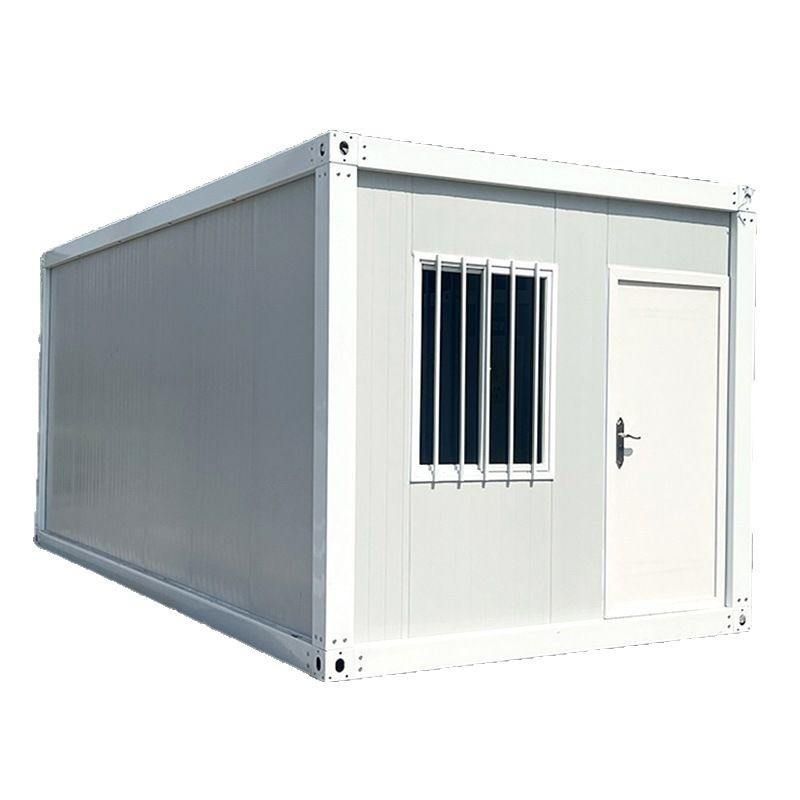
1. Material Selection
- Steel Quality: The main structure should use high-strength steel (such as Q235 or Q345). Check the material certificate to ensure it meets national standards for corrosion resistance and toughness.
- Corrosion Protection: High-quality products are treated with hot-dip galvanizing or high-performance anti-corrosion paint to extend outdoor service life.
- Insulation Materials: The interior is filled with materials such as rock wool, glass wool, or polyurethane foam. Pay attention to density and fire rating (e.g., Class A non-combustible) to ensure both insulation and fire safety.
2. Structural Design
- Structural Strength: Review the design specifications to confirm load-bearing capacity, wind resistance (design wind speed), and seismic rating. If necessary, request a third-party inspection report.
- Modular Design: Check that the module connections are secure and facilitate easy disassembly and reassembly to adapt to different site requirements.
- Spatial Layout: Functional areas should be reasonably divided, with clear passageways, good lighting, and ventilation to avoid a cramped living environment.
3. Manufacturing Craftsmanship
- Welding Quality: Welds should be smooth and crack-free, with non-destructive testing to ensure structural strength.
- Surface Treatment: The interior and exterior paint should be uniform and smooth, without peeling or blistering. Prioritize environmentally friendly coatings.
- Detail Handling: Check the sealing of doors and windows, the security of locks, and the smoothness of the drainage system to avoid future leaks or safety hazards.
4. Installation and Construction
- Professional Team: Choose a qualified and experienced construction team, and review past projects to ensure standardization.
- Site Survey: Before construction, assess the foundation conditions, surrounding environment, and transportation routes to develop a scientific installation plan.
- Process Supervision: There should be dedicated supervision throughout the installation process to ensure compliance with specifications.
5. Acceptance Standards
- Appearance Inspection: The surface should be flat without damage, the coating uniform without blistering, doors and windows sealed and soundproof, and the drainage system free of standing water.
- Interior Inspection: Walls and roofs should be firm without deformation, floors flat without damage, electrical circuits free of leakage or short circuits, and facilities (such as bathrooms and kitchens) functioning properly.
- Safety Inspection: Fire performance should meet national standards (e.g., proper cable installation, intact rock wool panels), ventilation systems free of harmful gas accumulation, foundation stable without loosening, and surrounding environment free of safety hazards.
Special Considerations for Second-Hand Container Houses: Prioritize checking the verticality of columns, roof sealing (to prevent rain leaks), and the smooth operation of doors and windows. Meeting these three criteria can reduce purchase risks.
Related



