How to Insulate Container Houses
Insulating container houses can be achieved through filling insulation materials, optimizing structural design, improving door and window sealing, and adding temperature control equipment.
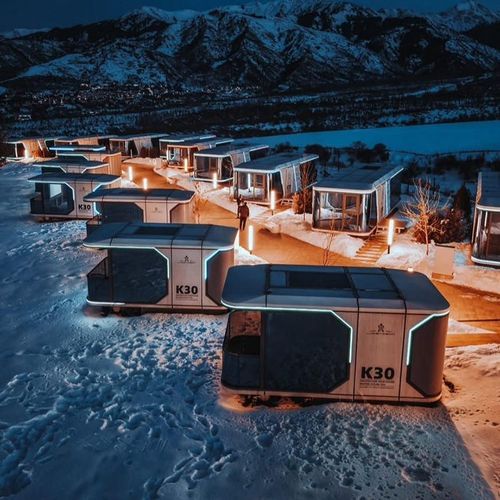
I. Filling Insulation Materials Filling high-density insulation materials inside the walls is crucial. Rock wool or polyurethane are common choices that effectively block heat transfer. For example, regular cultural tourism space capsules are internally filled with high-density insulation rock wool, combined with thermal break insulation technology, significantly reducing heat and cold conduction. Some container houses adopt a three-layer structure: the outer layer of anti-corrosion color-coated steel plate reflects sunlight, the middle layer of over 50mm polyurethane foam blocks heat conduction, and the inner layer of fire-resistant gypsum board + moisture-proof film works together to control humidity and stabilize temperature, forming an efficient thermal insulation system.
II. Optimizing Structural Design Structural design should focus on insulation details. Designing insulation structures at connection points and corners, isolating door and window installation areas, and filling gaps can reduce heat loss. For example, when integrating solar panels and rainwater collection systems on the roof of the container, it is essential to ensure seamless integration between the insulation layer and the structure. Additionally, increasing the thickness of the insulation layer (such as foam layers) can also enhance insulation performance, but it is necessary to balance cost and space utilization.
III. Improving Door and Window Sealing Doors and windows are the main channels for heat loss. Choosing thermal break aluminum double-glazed windows can reduce the thermal conductivity coefficient and improve indoor temperature stability. At the same time, installing sealing strips around doors and windows prevents cold air infiltration. For example, a café in Mogan Mountain uses sandwich panels with aluminum foil reflective layers, equipped with adjustable sunshade awnings and bottom ventilation slots, maintaining a comfortable indoor temperature even under direct afternoon sunlight.
IV. Adding Temperature Control Equipment Auxiliary equipment can strengthen insulation effects. Air conditioners, graphene floor heating, and entrance air curtains can quickly adjust indoor temperature to adapt to extreme climates. For example, in extremely low-temperature environments, auxiliary heating equipment can maintain a comfortable indoor temperature; in high-temperature environments, reflective coatings and ventilation designs can effectively cool down.
V. Other Auxiliary Measures Laying warm carpets on the floor and using insulation boards beside the bed can further enhance local warmth. Additionally, pay attention to electrical and fire safety to avoid fires caused by improper use of heating equipment.