
How to Install Portable Toilets
The installation of portable toilets requires selecting the appropriate method based on the type. Common types include basic assembly types and functional connection types. The specific steps and precautions are as follows:
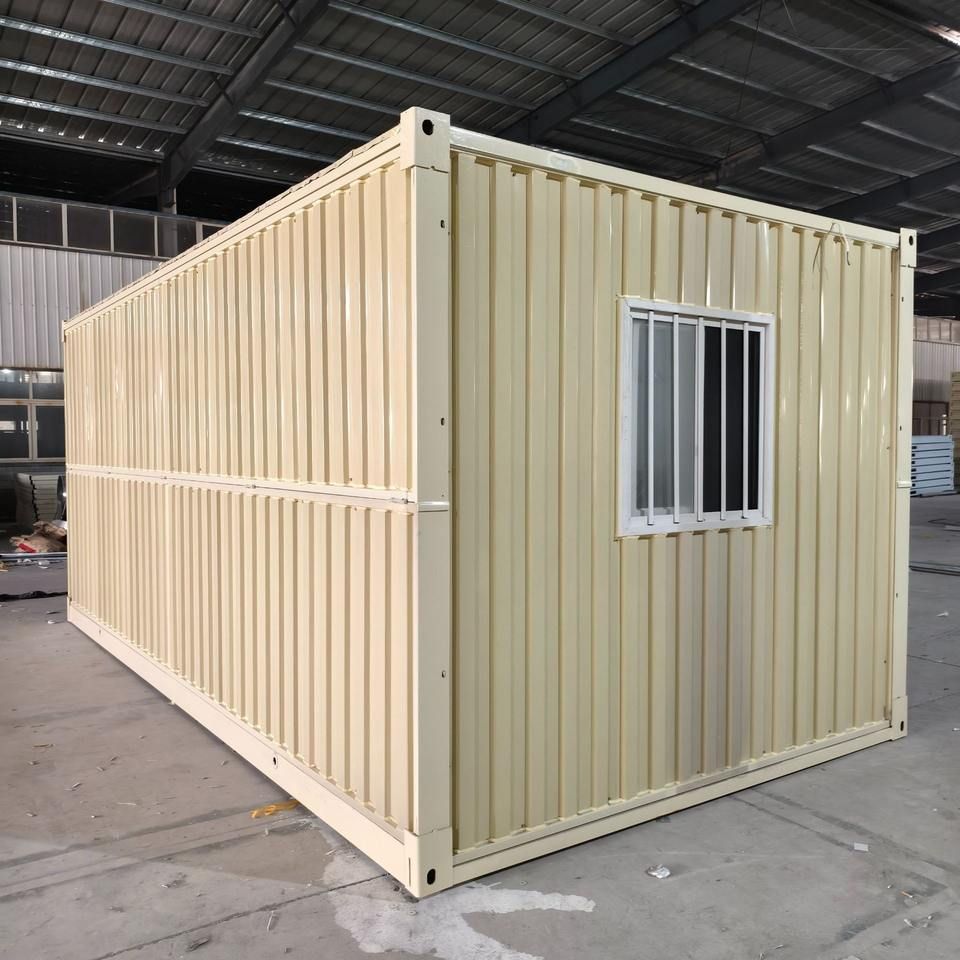
I. Installation Steps for Basic Assembly-Type Portable Toilets
Tool Preparation
Prepare tools such as an electric drill, a 4.2-millimeter drill bit, and a rivet gun in advance to ensure that all necessary tools are available during the installation process.Main Structure Assembly
- Inner Corner Installation: Fix the inner corner components to the preset positions one by one, ensuring that each component is tightly connected to prevent loosening.
- Panel Assembly: Insert the panels into the slots and align them. Pay attention to keeping the gaps between the panels even to prevent shaking or water leakage during subsequent use.
- Fixing Operation: Drill holes at the joints using a drill bit, insert rivets, and then use a rivet gun to reinforce them to ensure structural stability.
II. Installation Steps for Functional Connection-Type Portable Toilets
Pipe Network and Circuit Connection
- Sewage Outlet Connection: Connect the toilet's sewage outlet to the tap water pipe network or the septic tank, ensuring good sealing to prevent sewage leakage.
- Water Inlet Pipe and Wire Installation: If water or electrical functions (such as lighting and flushing systems) are involved, connect the water inlet pipe and wires according to the instructions and check that the connections are secure.
Functional Debugging
After installation, conduct power and water tests to check whether the flushing, sewage discharge, and other functions are normal. If any problems are found, make timely adjustments.
III. General Precautions
Component Inspection
Before installation, check the component list to ensure that all parts (such as screws, rivets, and sealing rings) are complete to avoid installation interruptions due to missing components.Matching the Structure with the Moving Method
- Single/Composite Structures: Composite-structure toilets may require additional reinforcement at the joints, while single-structure toilets should focus on checking the stability of the bottom.
- Lifting/Trailer-Type: For lifting-type toilets, confirm the load-bearing capacity of the lifting points. For trailer-type toilets, check the axles and brake devices to ensure safe movement.
Instructions and Manufacturer Support
If the installation steps are unclear or technical difficulties are encountered, refer to the product instructions first or contact the manufacturer for video guidance to avoid damaging the equipment due to improper operation.
Tip: Different brands or models of portable toilets may have differences in details. It is recommended to confirm the specific requirements with the manufacturer before installation to ensure installation quality and use safety.



