
Back to blog
Article
How to Install Portable Toilets
Admin September 24, 2026
The installation of portable toilets requires selecting the appropriate method based on the type. Common types include ordinary portable toilets and portable toilets with a sewage discharge system. The specific installation steps are as follows:
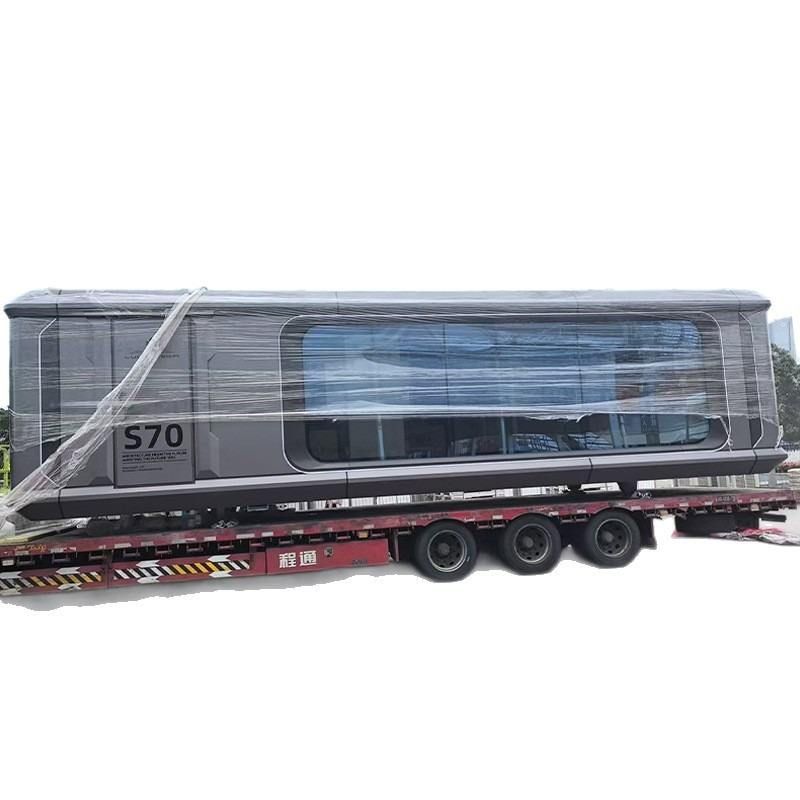
Installation Steps for Ordinary Portable Toilets
- Tool Preparation: After receiving the goods, prepare tools such as an electric drill, a 4.2-millimeter drill bit, and a rivet gun in advance. If professional tools are lacking, contact the supplier for rental or purchase to avoid installation interruptions due to missing tools.
- Corner Installation: First, sequentially fix the corner components at the predetermined positions. The corners are key structures supporting the toilet frame and must be installed firmly to prevent looseness or deformation during subsequent assembly.
- Panel Assembly: Insert each panel into the slots and align them for assembly, ensuring uniform gaps between panels. After assembly, use an electric drill to drill holes at the panel connections, with the hole diameter matching the rivet specifications (usually 4.2 millimeters).
- Rivet Fixation: Insert rivets into the drilled holes and complete the fixation with a rivet gun. This step requires checking each rivet for tightness to prevent local looseness from affecting overall stability.
Installation Steps for Portable Toilets with a Sewage Discharge System
- Sewage Outlet Connection: Connect the toilet sewage outlet to the tap water network, ensuring a good seal at the connection to prevent sewage leakage. If the network pressure is insufficient, install a booster pump to ensure smooth sewage discharge.
- Water Inlet Pipe and Circuit Installation: Connect the water inlet pipe according to the design requirements to ensure a stable water supply; if the toilet involves electrical circuits (such as lighting and ventilation systems), have a professional electrician complete the wire connections and install a leakage protection device to ensure safety.
Other Precautions
- Pre-installation Preparation: It is recommended to contact customer service for installation videos or instructions. Some complex structures (such as composite and powered trailer types) require reference to detailed drawings for operation.
- Type Adaptation Adjustments: Portable toilets are classified by structure into single/composite types, by mobility into hoisting/handling/powered trailer types, and by sewage treatment into flush/non-flush suction/circulating flush types. For example, hoisting types require reserved space for hoisting equipment operation, and non-flush types require regular cleaning of the fecal storage tank.
- Safety Regulations: Wear protective gloves during installation to avoid cuts; if working at heights (such as roof installation), set up scaffolding and wear a safety harness.
After installation, conduct water and power tests to check whether functions such as sewage discharge and flushing are normal. Ensure there are no leaks or electrical faults before putting the toilet into use.
Related



