
Back to blog
Article
How to Heat Container Houses
Admin September 17, 2026
Heating container houses can be achieved through various methods, and it is essential to select an appropriate solution based on safety regulations and actual needs.
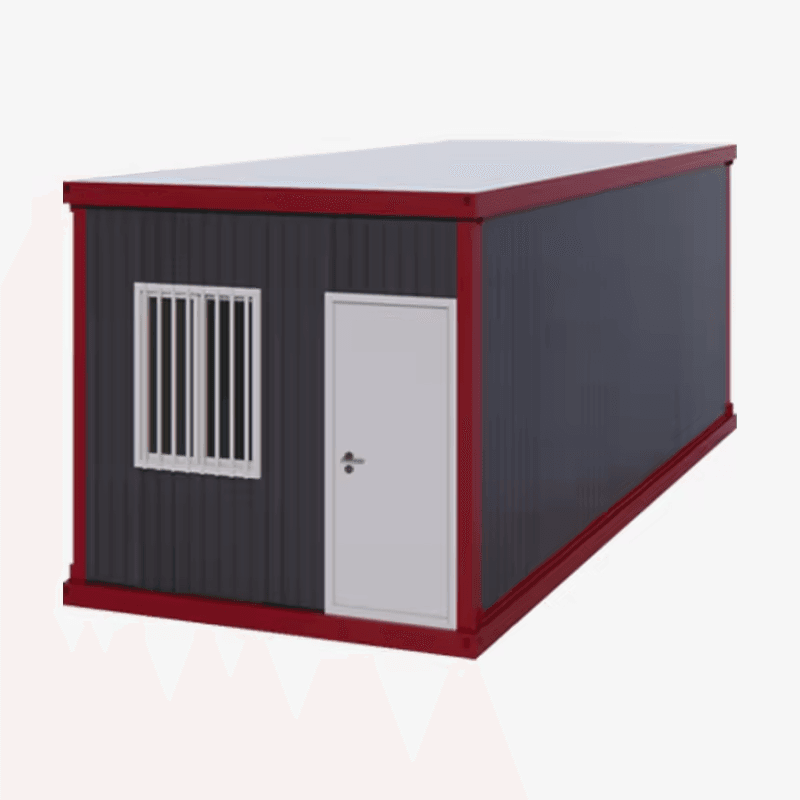
I. Use Safe Heating Equipment
- Electric Heating Equipment: Electric heaters, air conditioners, sun lamps, and bathroom heaters can directly heat the air, making them suitable for local or small-scale heating. Among them, air conditioners offer both cooling and heating functions, automatically regulating temperature and maintaining humidity; underfloor heating radiates heat through the floor, providing uniform warmth without noise, but requires prior planning for installation.
- Water Heating Equipment: Gas heating requires connection to a gas pipeline and ensures good ventilation; water-heated mattresses provide warmth through circulating hot water, being safer than electric blankets, but require regular inspection of pipeline sealing.
- Prohibit Open-Flame Equipment: Although traditional stoves and coal balls are cost-effective, the enclosed space of container houses strictly prohibits the use of open flames for heating in winter to prevent carbon monoxide poisoning or fires. Kang bed-stoves are common in rural northern China, but require professional design of flues and modification of container structures, not recommended for ordinary users.
II. Enhance House Insulation Performance
- Material Selection: Using insulation layers such as mineral wool, polystyrene boards, and rock wool boards during construction can reduce heat loss by 30%-50%. Some manufacturers offer custom containers with added insulation cotton, which, although more expensive, provide significant long-term energy-saving benefits.
- Structural Optimization: Utilize passive design principles, such as orienting the house southward and increasing the area of south-facing windows to harness solar energy for natural heating; design thermal storage spaces (e.g., concrete walls) to absorb heat during the day and release it at night, maintaining stable temperatures.
III. Detailed Measures to Reduce Heat Loss
- Window and Door Sealing: Check for gaps around windows and doors, using sealing strips to repair leaks; install double-glazed windows, which offer over 50% better insulation than single-glazed ones; draw thick curtains at night to further block cold air infiltration.
- Vent Management: Install removable insulation panels on vents for ventilation during the day and insulation at night; avoid keeping windows and doors tightly closed for extended periods, ventilate at least twice a day for 15 minutes each time to prevent carbon monoxide buildup.
- Auxiliary Insulation: Use wooden boards or foam boards to cover unnecessary windows, reducing cold radiation; hang fabrics on walls to decrease air convection speed.
IV. Safety Precautions
- Electrical Appliance Use: Avoid simultaneously turning on multiple high-power appliances (e.g., electric heater + air conditioner) to prevent circuit overload; choose devices with overheating protection and regularly inspect for aging wires.
- Fire Safety: Strictly prohibit the use of open flames or discarding cigarette butts in foam sandwich panel containers; ensure all fire sources are extinguished before bedtime and add water to ashtrays.
- Plant Regulation: Place large-leaf plants such as palms to slightly adjust humidity through transpiration, but they cannot replace heating equipment and should only be used as an auxiliary measure.
By combining equipment selection, insulation optimization, and safety management, container houses can achieve efficient and safe heating effects in winter.
Related



